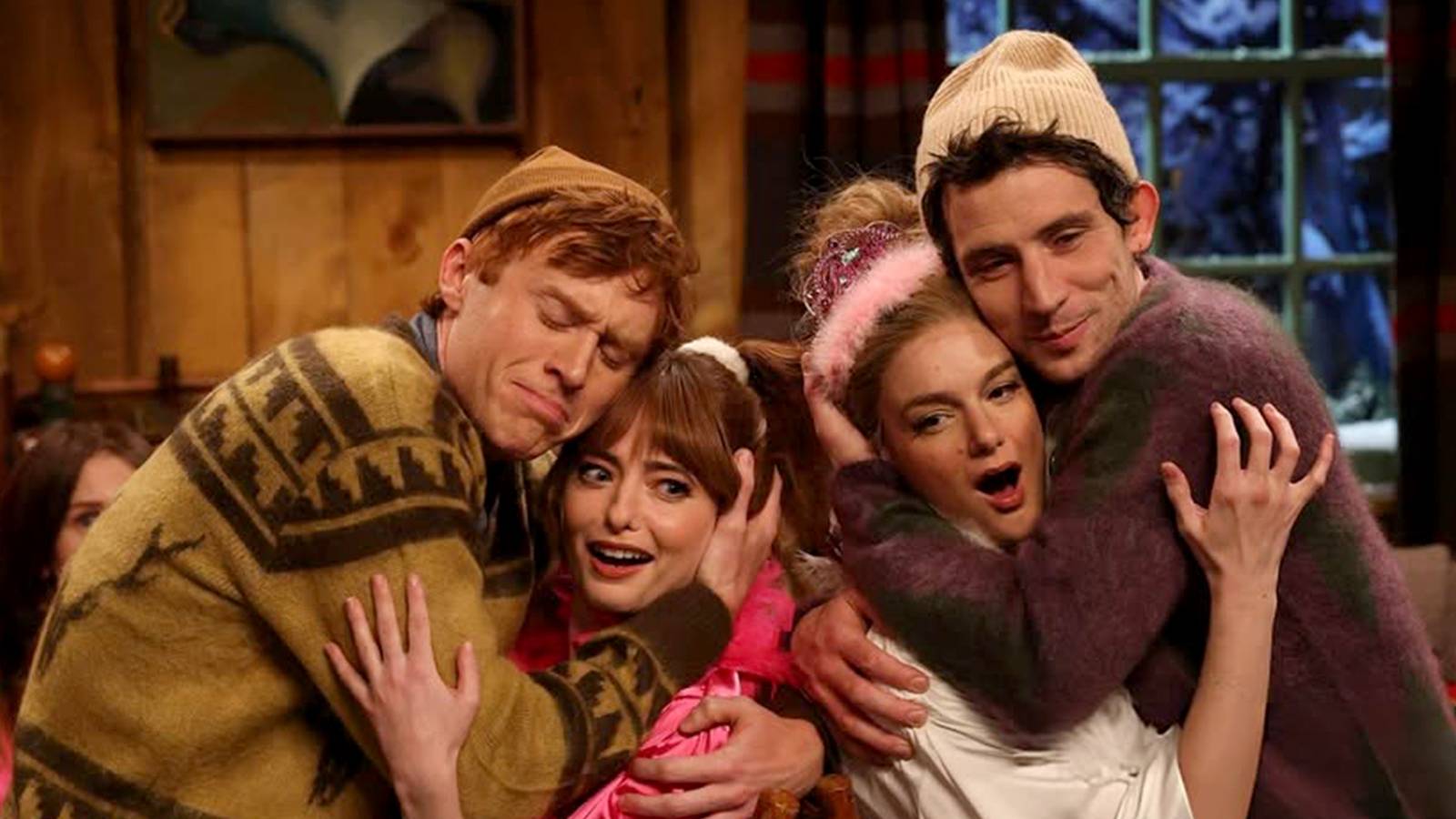
It's hard to imagine a world without Saturday Night Live, especially after the show just wrapped its milestone 51st season with stars like Ryan Gosling, Sabrina Carpenter, and Teyana Taylor. But back in the mid-1980s, the iconic sketch show was on the brink of cancellation. The season that nearly killed it? Season 11, the 1985-86 run that has since become legendary for all the wrong reasons.
As explored in the docuseries SNL50: Beyond Saturday Night, that disastrous season was a turning point. Lorne Michaels had returned after a five-year absence, bringing in a bizarre mix of movie stars and unknown comedians. The cast included Robert Downey Jr., Anthony Michael Hall, Randy Quaid, Joan Cusack, and the show's first openly gay cast member, Terry Sweeney, as well as its first Black woman main cast member, Danitra Vance. But the ensemble never gelled. Critics pounced, with headlines like "Saturday Night Dead" appearing almost immediately.
The season was so troubled that Damon Wayans deliberately got himself fired mid-season (a blessing in disguise, as he went on to create In Living Color four years later). By the end, all but four cast members were let go: Jon Lovitz, Nora Dunn, A. Whitney Brown, and Dennis Miller survived to Season 12. The final sketch even featured Michaels burning the entire cast alive—except Lovitz, of course.
When the show returned for Season 12, Madonna read a statement from NBC claiming that Season 11 had been a "horrible, horrible dream." It was a brutal dismissal of a cast that didn't deserve such treatment, but it underscored just how close the show had come to the chopping block.
Michaels later admitted that the failure taught him a crucial lesson. "Now I had something to prove again," he said in Beyond Saturday Night. "We started to get people in again whose one focus was to be funny." The "all-star strategy" that had worked for his predecessor, Dick Ebersol, failed miserably for Michaels. From then on, he sought experienced but unknown talent—comedians from the stand-up and improv scene, not movie stars. This approach, which had been his original instinct when creating the show in 1975, became the blueprint for SNL's future success.
In July 1986, ahead of Season 12, Michaels told critics, "I think it was a mistake having too many new faces and too many people who have never worked together before." That shift in philosophy—focusing on ensemble chemistry over star power—is what allowed SNL to survive and thrive for decades to come.
Today, as the franchise expands with Saturday Night Live UK and continues to take creative risks, it's worth remembering that the show's worst season was also its most important. Without that near-death experience, we might never have seen the golden eras that followed. For more on how SNL's legacy intersects with other pop culture phenomena, check out our analysis of how 'Hardhome' made the Night King terrifying or our ranking of top blockbuster thrillers.