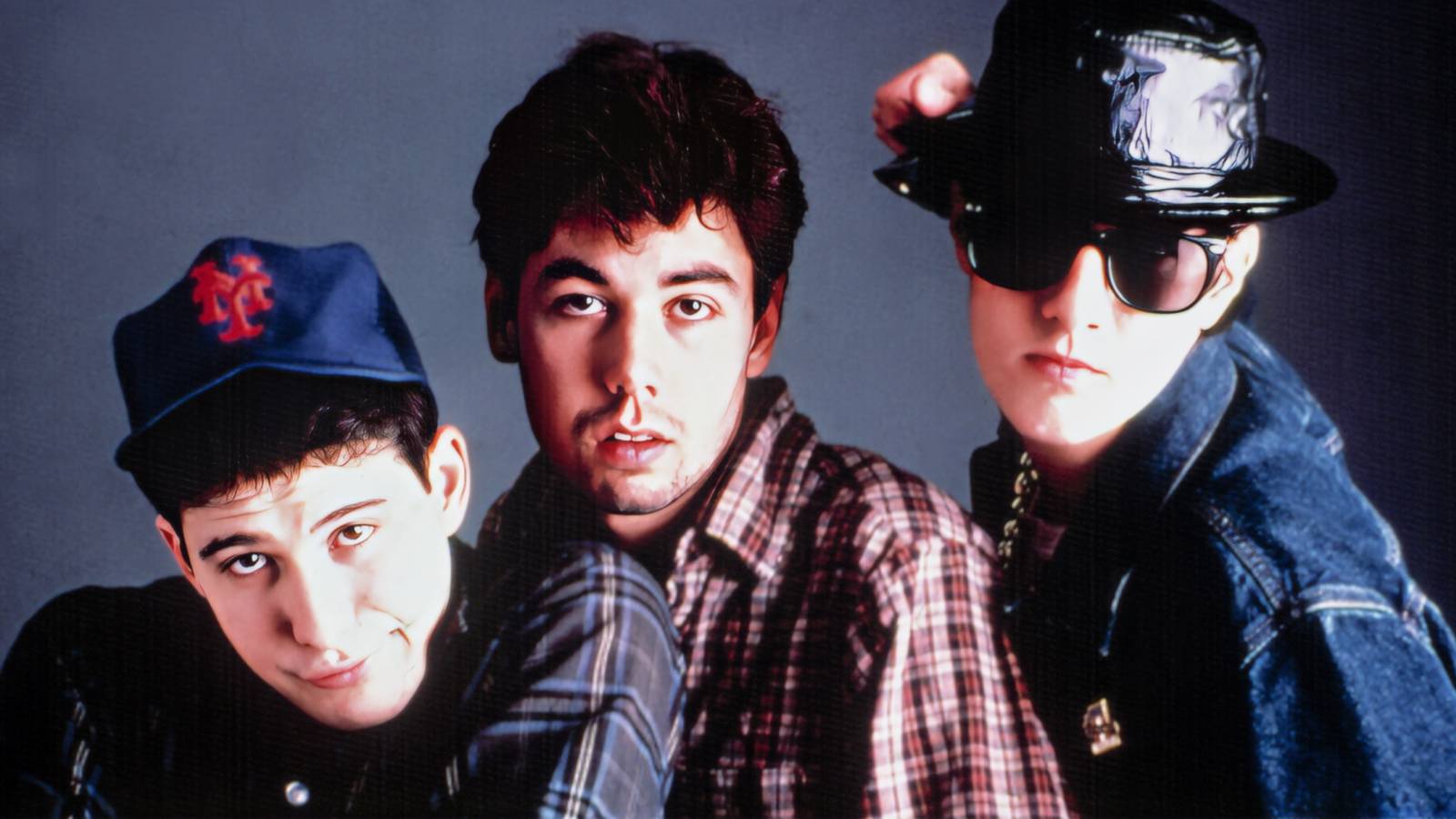
In 1986, the Beastie Boys were on the verge of hip-hop history with their debut album License to Ill. But two of its biggest hits—"No Sleep Till' Brooklyn" and "(You Gotta) Fight for Your Right (To Party)"—owe a surprising debt to thrash metal. Producer Rick Rubin, who was simultaneously working on Slayer's landmark album Reign in Blood, recruited guitarist Kerry King to lay down solos that would give the tracks a raw, chaotic edge.
A Cheap Solo That Became Legendary
Rubin offered King a flat fee of "a few hundred bucks" for the session, as King later recalled. At the time, Slayer hadn't yet broken into the mainstream, so King was happy for the cash. But with the massive success of License to Ill, he now jokes, "In hindsight, I wish I didn't get paid. I wish I had taken a quarter point or something, because now I would be a rich man!" King also contributed a second solo to "Fight for Your Right."
For Slayer fans, King's work on "No Sleep Till' Brooklyn" is instantly recognizable: a wild whammy-bar dive followed by a blistering, near-incomprehensible shred. The chaotic energy feels slightly at odds with the song's tight rap rhythm, but it creates a thrilling climax. On "Fight for Your Right," King took a more restrained approach, using a cleaner tone and a blues-based structure that was outside his usual thrash wheelhouse.
From Music Videos to Mutual Disdain
King's cameo in the "No Sleep Till' Brooklyn" video is iconic: he shoves a man in a gorilla suit aside to shred onstage with the Beastie Boys, amplifying the video's over-the-top parody of hair metal. While King doesn't appear in the "Fight for Your Right" video, Rubin makes a cameo wearing a Slayer shirt.
Despite the collaboration's success, the feeling wasn't mutual. Rubin later told Rolling Stone, "I don't think he [King] liked the song. I think he just thought it was bizarre... I don't think it spoke to his aesthetic. And honestly, in retrospect, I don't think he really spoke to the Beasties' aesthetic. They didn't really like him either [laughs]. It was kind of mutual."
How Rubin's Hip-Hop Background Shaped Slayer
Rubin's work with Slayer was equally transformative. Coming from hip-hop production with acts like LL Cool J, he approached metal differently. He told Rick Beato, "If the music you're playing is fast and if the sounds are big, there's not enough space for those big sounds to happen next to each other. There's no punctuation; it becomes a blur." By emphasizing tightness and intensity, Rubin helped forge Reign in Blood—a raw, 29-minute album that stands out even in a year packed with thrash classics like Metallica's Master of Puppets and Megadeth's Peace Sells…But Who's Buying. The album's ferocity paved the way for death and black metal.
Meanwhile, License to Ill became the best-selling rap album of its time, until MC Hammer and later Dr. Dre surpassed it. The brief meeting of Slayer and Beastie Boys helped spark a fusion that would define the next decade.
The Birth of Rap Metal
That same year, Rubin also produced Run-D.M.C.'s cover of Aerosmith's "Walk This Way," which revived Aerosmith's career and cemented the hip-hop-rock crossover. Slayer later collaborated with rapper Ice-T on "Disorder" for the 1993 film Judgment Night, a track King agreed to because of Ice-T's genuine love for heavy music.
By the '90s, nu-metal—a fusion of hip-hop and metal—dominated the charts. Bands like Limp Bizkit, Linkin Park, Slipknot, and System of a Down all worked with Rubin, who continued to produce Slayer through 2009. While Slayer and Beastie Boys never reunited, their one-off collaboration left an indelible mark on music history.
For more on genre-bending collaborations, check out our feature on How James Cameron Rewrote 'Aliens' to Lure an Actor Away from Stanley Kubrick's 'Full Metal Jacket' and The 10 Best 1980s Classic Rock One-Hit Wonders.