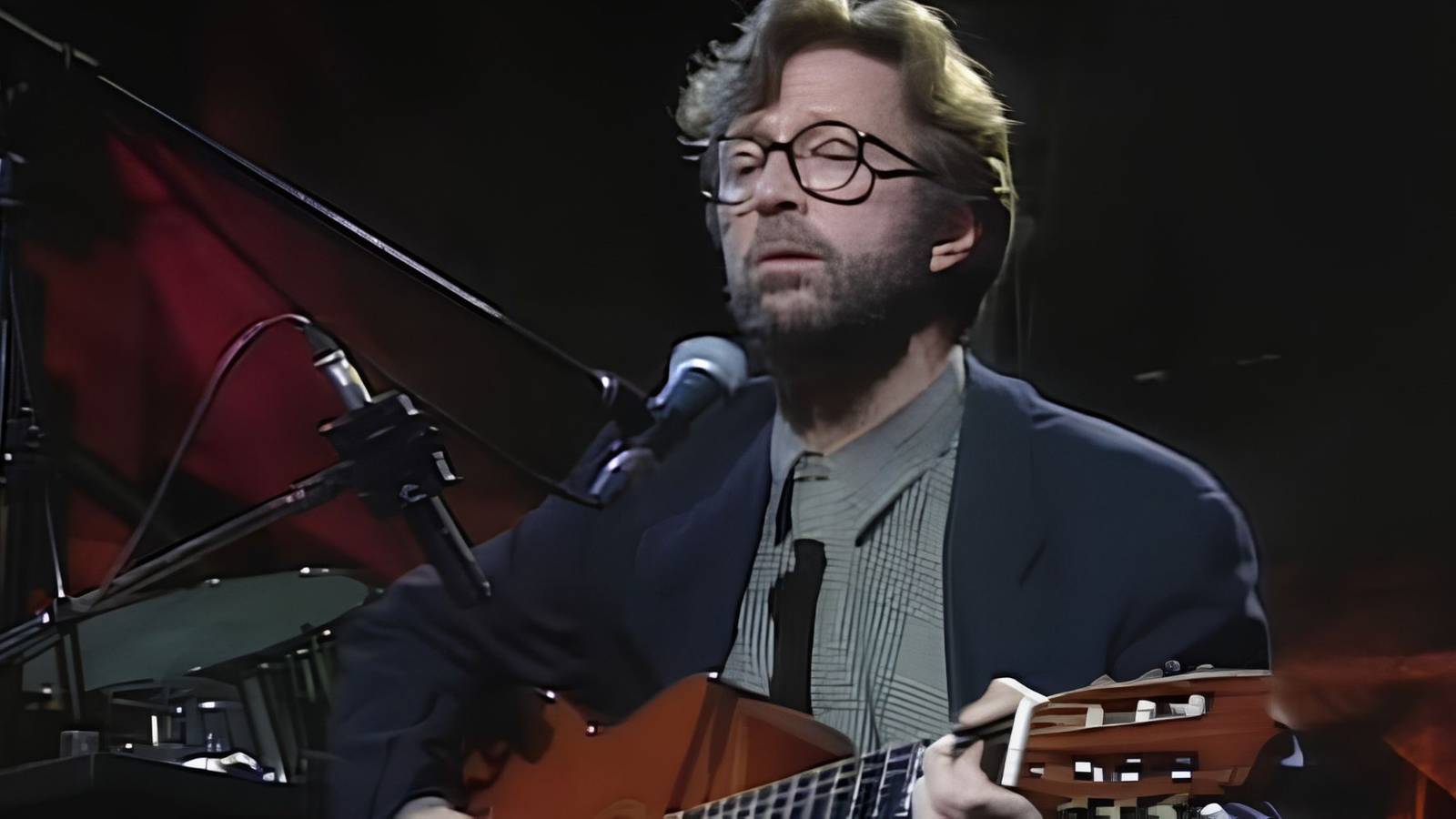
In 1991, Eric Clapton released a song that would become his most commercially successful single, but its origins were rooted in unimaginable tragedy. 'Tears in Heaven' emerged from the grief of losing his four-and-a-half-year-old son, Conor, in a horrific accident earlier that year. The track went on to sell more than 2.8 million copies, peaking at number two on the Billboard Hot 100—a poignant testament to how personal pain can resonate universally.
A Career Built on Blues and Breakthroughs
Born March 30, 1945, Clapton first made his mark as a guitarist with the Yardbirds in 1963 before joining John Mayall & the Bluesbreakers. He then formed the power trio Cream with drummer Ginger Baker and bassist Jack Bruce, followed by Blind Faith and Derek and the Dominos, the latter producing the classic 'Layla.' His solo career launched with the self-titled Eric Clapton in 1970, featuring hits like 'After Midnight' and his cover of Bob Marley's 'I Shot the Sheriff'—his only song to top the Hot 100. Yet none of those matched the sales of 'Tears in Heaven.'

The Tragedy That Changed Everything
On March 20, 1991, Conor was staying with his mother, actress Lory Del Santo, in her 53rd-floor New York apartment. Clapton was nearby at a hotel. That morning, a housekeeper left a window open to air the room after cleaning. In a split second, Conor darted past the housekeeper and fell 49 stories onto an adjacent building. An investigation ruled it a tragic accident, but false rumors circulated blaming Clapton, adding to his anguish. He didn't perform for nine months.
Channeling Grief Into Art
Conor's birth in 1986 had inspired Clapton to get sober, and the loss only strengthened his resolve. He turned to music for healing, collaborating with songwriter Will Jennings on the soundtrack for the 1991 film Rush. Clapton brought the title and first lines: 'Would you know my name, if I saw you in Heaven? Would it be the same, if I saw you in Heaven? I must be strong, and carry on. 'Cause I know I don't belong here in Heaven.' Jennings helped shape the rest.
The song became a cathartic outlet. Clapton later said, 'I have got a great deal of happiness and a great deal of healing from music.' He also wrote 'Circus Left Town' about the night before Conor's death, when they went to the circus together, and 'My Father's Eyes,' which reflects on both the father he never knew and his son. For more on how personal tragedy can fuel iconic music, check out Prince's 'Nothing Compares 2 U' Became a Global Hit—But Not for Him.
A Legacy of Loss and Resilience
'Tears in Heaven' remains Clapton's highest-selling single, a haunting reminder that even the deepest sorrow can produce something beautiful. It's a song that continues to move listeners decades later, proving that art born from pain often resonates the most. For more on how artists transform tragedy into timeless work, see How The Beatles' 'A Day in the Life' Got Banned and Became a Rock Masterpiece.