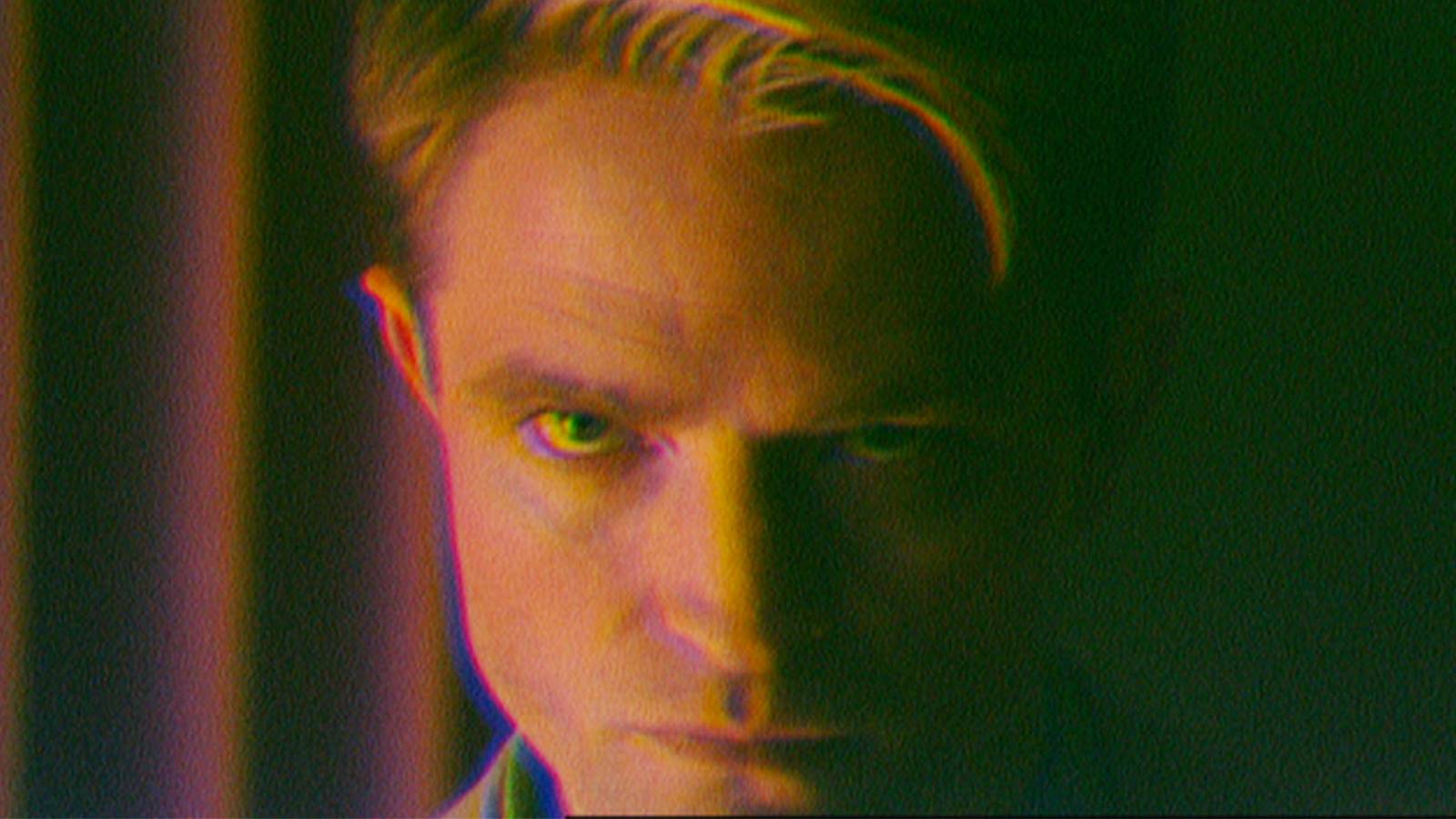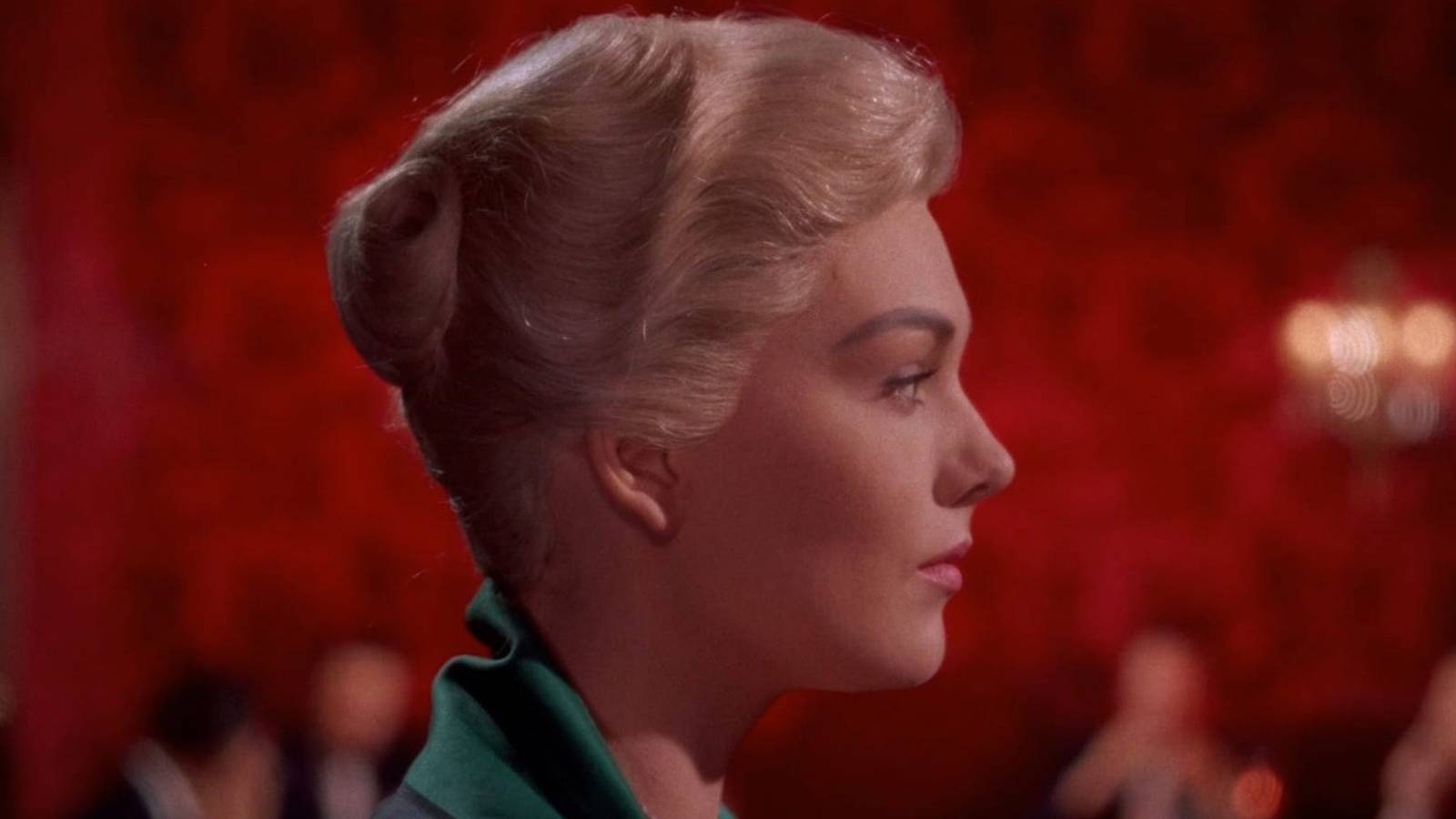
When Edgar Wright unleashed Shaun of the Dead in 2004, audiences were treated to a riotous zombie comedy that paid homage to George A. Romero while carving its own bloody, hilarious path. But two decades later, the film reveals itself as something far more profound: a devastatingly honest meditation on the challenges of adulthood, the fragility of friendship, and the painful necessity of growing up.
On the surface, Shaun of the Dead is a masterclass in genre-blending. Wright and co-writer Simon Pegg crafted a story about a directionless Londoner, Shaun (Pegg), who must navigate a zombie apocalypse while trying to win back his girlfriend Liz (Kate Ashfield) and save his mother (Penelope Wilton) and stepfather (Bill Nighy). The film is packed with clever visual gags, pitch-perfect comedic timing, and a soundtrack that turns mundane moments into cinematic gold. But beneath the blood and laughs lies a story that hits harder with each passing year.
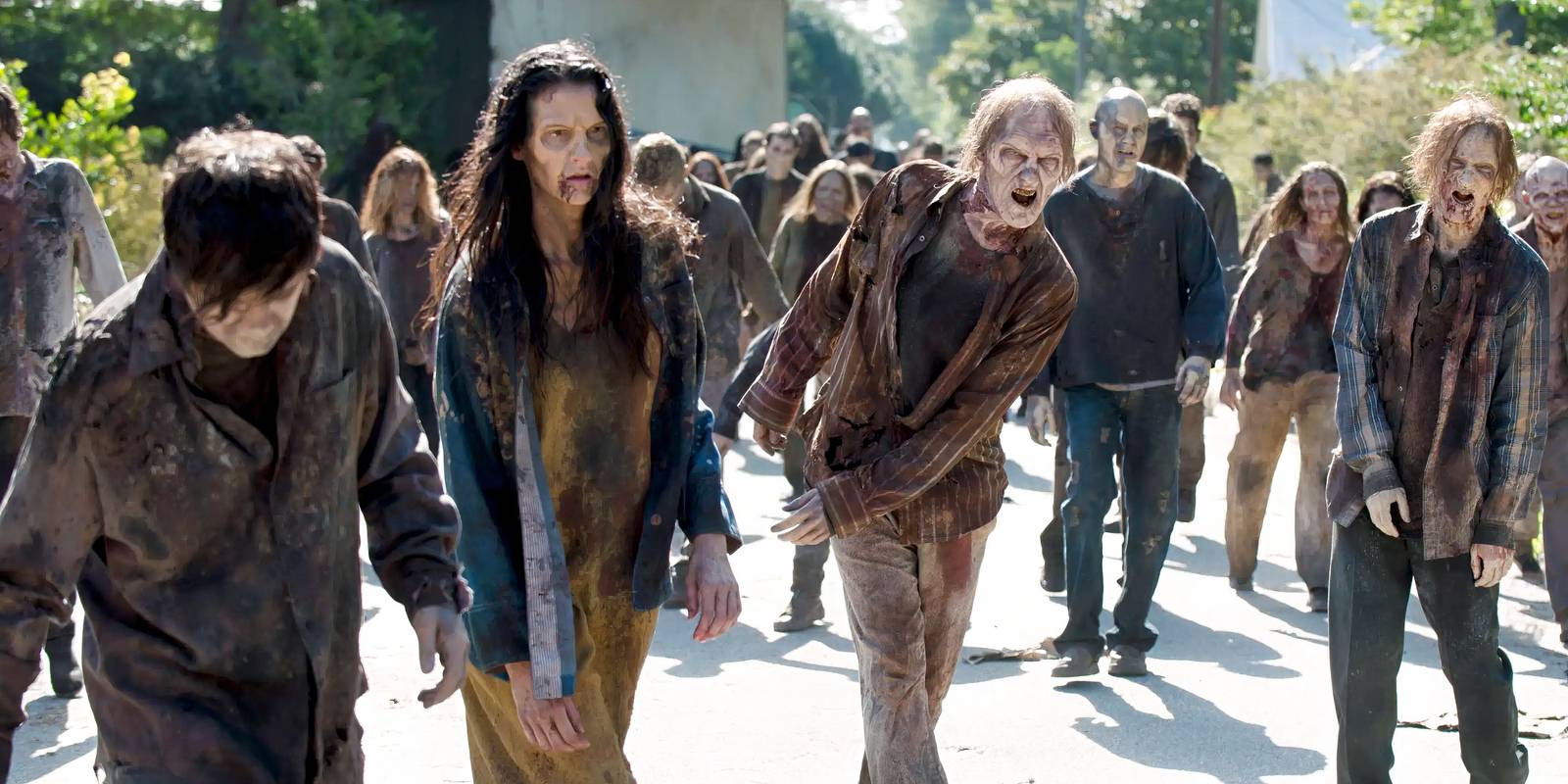
At its core, Shaun of the Dead is about the terror of stagnation. Shaun is a man-child, stuck in a dead-end job, a failing relationship, and a friendship with the equally aimless Ed (Nick Frost) that enables his immaturity. The zombie outbreak isn't just a threat—it's a catalyst. It forces Shaun to confront his own inertia and make choices that define who he wants to be. This theme resonates more deeply as we age, recognizing the universal struggle to balance responsibility, ambition, and the comfort of old habits.
The film's emotional weight is carried by its relationships. Shaun's bond with Ed is both hilarious and heartbreaking—a friendship built on video games, pints, and mutual avoidance of adulthood. When the apocalypse forces them apart, the film doesn't shy away from the pain of that separation. Similarly, Shaun's strained relationship with his stepfather Philip (Nighy) and his desperate love for his mother add layers of genuine pathos. The final act, where Shaun must make impossible choices, lands with an emotional punch that few comedies dare to attempt.
Wright's direction elevates the material with a visual language that mirrors Shaun's emotional journey. The famous single-take tracking shot through the neighborhood, set to Queen's "Don't Stop Me Now," is a joyful celebration of chaos, but it also underscores Shaun's obliviousness to the world falling apart around him. Later, quieter moments—like Shaun's conversation with his mother in the pub—use stillness and silence to devastating effect. The film's structure, with its parallel scenes showing Shaun's mundane routine before and after the outbreak, reinforces the idea that the apocalypse is both a literal and metaphorical wake-up call.
As the years pass, Shaun of the Dead has only grown in stature. It launched the "Three Flavours Cornetto Trilogy" and cemented Wright, Pegg, and Frost as major talents. But its lasting power comes from its honesty about the messiness of life. The film doesn't offer easy answers—Shaun's growth is hard-won, and the ending is bittersweet. It acknowledges that growing up often means letting go of people and parts of yourself, even as you fight to hold onto what matters most.
In an era where zombie stories often focus on survival or spectacle, Shaun of the Dead remains a rare gem that uses the genre to explore the human condition. It's a comedy that makes you laugh until your sides hurt, then quietly breaks your heart. And that's why it's a masterpiece—one that only becomes more poignant with age.
For more on genre-defining films, check out our list of The Best Fantasy Movie Climaxes, Ranked. And if you're in the mood for another underrated gem, read about Why 'Dead Presidents' Is the Underrated Heist-War Masterpiece You Need to See.