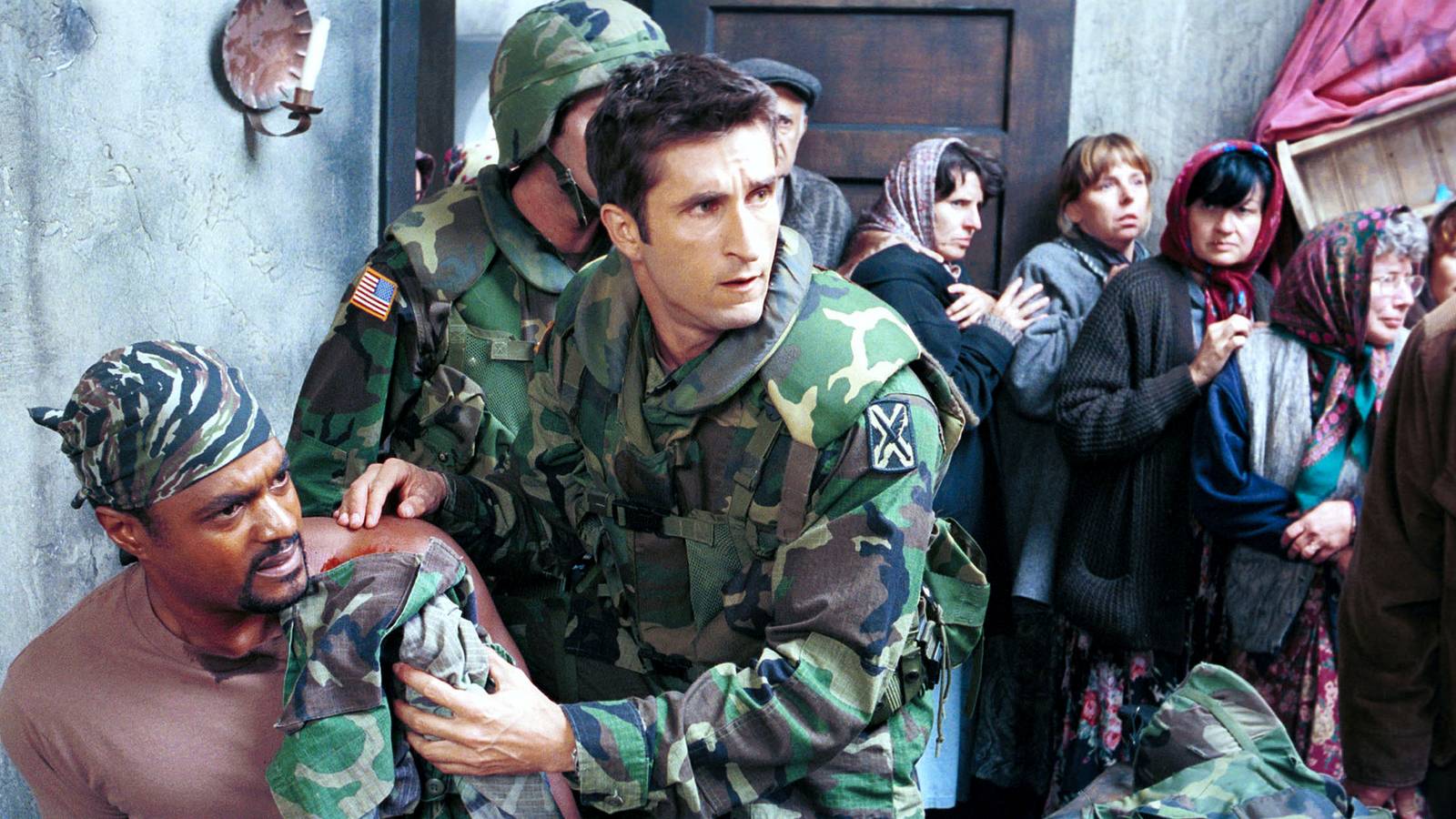
Long before Groundhog Day-style time loops became a TV staple, a late-90s sci-fi series dared to ask: what if you could only go back seven days to fix a catastrophe? That show was Seven Days, and nearly three decades later, its influence on the time-travel genre is impossible to ignore.
At a time when The X-Files and Star Trek: Voyager dominated sci-fi television, Seven Days carved out a unique niche. The premise was deceptively simple: a covert U.S. government operation uses alien technology—the Chronosphere—to send a single operative exactly one week back in time to prevent a disaster. No do-overs, no branching timelines—just one narrow window to save the world.
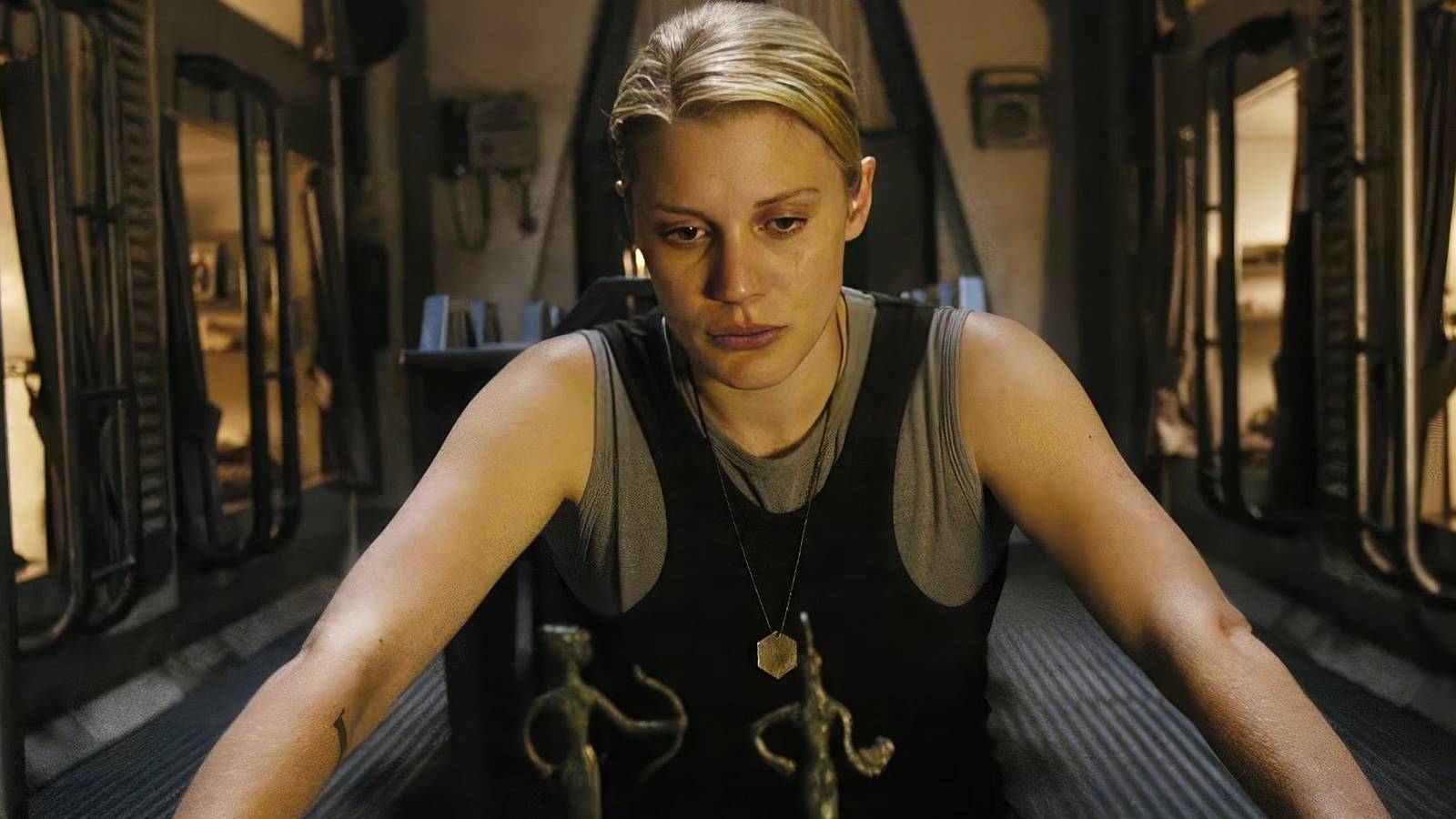
The Genius of the Seven-Day Limit
What made Seven Days revolutionary was its understanding that limitations create tension. In most time-travel stories, characters can hop around history at will, draining all suspense. Here, the hero, Frank Parker (Jonathan LaPaglia), has exactly seven days to undo a tragedy—and every fix creates new complications. This constraint forced writers to craft tight, inventive plots that kept viewers on edge.
Modern audiences are now accustomed to strict temporal rules in shows like Russian Doll or Dark, but Seven Days was exploring that territory years before it became trendy. The show proved that a time-travel narrative could be just as much about what you can't do as what you can.
Frank Parker: The Anti-Hero Time Traveler
Unlike the polished heroes of other sci-fi series, Frank Parker is a mess. A former Navy SEAL and CIA agent with serious emotional baggage, he's reckless, selfish, and often his own worst enemy. The government didn't recruit him for his stability—they needed someone who could survive the physical and mental toll of time travel. LaPaglia's performance is so compelling that viewers never tire of watching Frank screw up, bend rules, and annoy his superiors.
One of the show's running gags involves Frank trying to use his future knowledge to win bets or improve his love life, only to discover that changing the timeline alters the outcome. Even his relationship with Dr. Olga Vukavitch (Justina Vail) resets every time he goes back, adding an emotional weight rarely seen in late-90s action TV. Frank remembers victories and failures that no one else experienced—a lonely burden that gives the series surprising depth.
Why 'Seven Days' Deserves a Second Look
Though the special effects and storytelling methods feel dated, Seven Days remains a remarkably imaginative series with a premise that feels fresh today. It blends action, procedural detective work, humor, and time-travel mechanics in a way that anticipates modern hits like 12 Monkeys or Timeless. The show's understanding that limitations create tension is a lesson many time-travel stories still struggle to learn.
If you're looking for a forgotten gem that helped shape the genre, Seven Days is worth revisiting. For more underrated sci-fi, check out our list of the 10 best sci-fi movies of the 21st century or dive into 5 forgotten '90s thrillers that hit harder today. And if you're in the mood for more time-travel nostalgia, don't miss forgotten fantasy films that only got better with time.