British comedy has long been a source of national pride, from the timeless antics of Fawlty Towers to the sharp satire of Absolutely Fabulous. But by the 2010s, the genre hit a wall. Traditional broadcasters struggled to keep up with streaming, social media, and an audience spoiled for choice. Enter Saturday Night Live UK—a show that's quietly rewriting the rules of what makes a comedy hit in Britain.
Sky's adaptation of the iconic American format isn't just a ratings success; it's a blueprint for the future. The show's first season saw a steep drop in overnight viewership—from 226,000 for the premiere to just 86,420 by episode eight. Yet Sky renewed it for a second season after the series racked up over 86 million social video views in its first month. That's a clear signal: in 2025, a comedy's cultural footprint matters more than its linear ratings.
Redefining Success Beyond Ratings
The shift isn't just at Sky. The BBC is undergoing its own transformation under new Director General Matt Brittin, a former Google executive. Brittin has called the BBC 'locked into yesterday's model of consumption,' and his appointment signals a push toward digital-first thinking. The BBC's recent partnership with YouTube—its first to produce content specifically for the platform—underscores this pivot. As the search for a new Director of Comedy Commissioning begins, the BBC is looking for someone who can 'reflect the diversity of the BBC's pan-UK audiences' and 'back new voices and innovation.'
This new metric of success—valuing digital engagement, global reach, and fan conversation over overnight numbers—could save shows that might have been canceled in the past. For audiences, it means commissioners may be more patient, giving first-time formats room to grow. Saturday Night Live UK is a living example of that patience paying off.
Broadening the Talent Pipeline
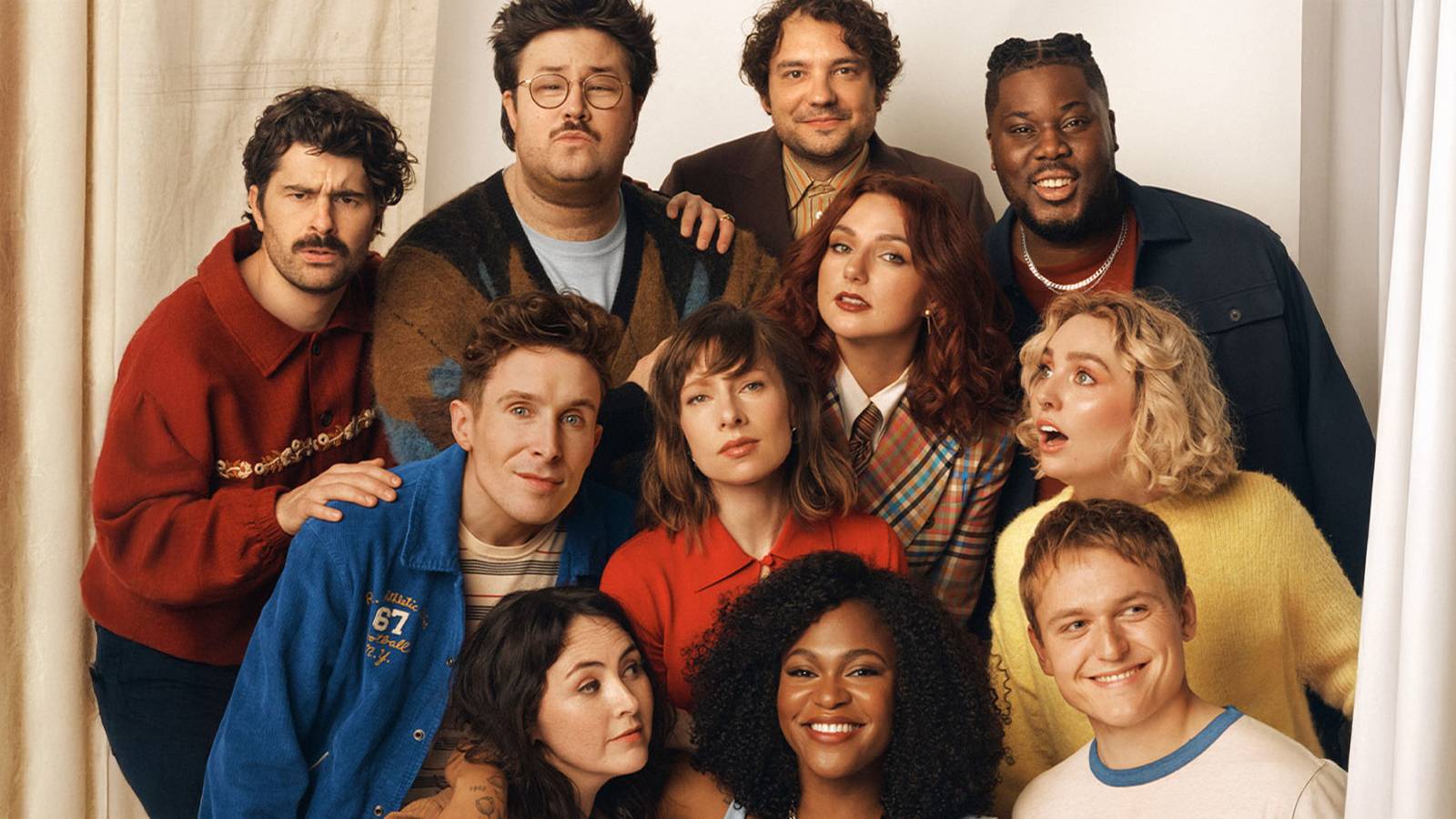
Beyond numbers, SNL UK is challenging who gets to be funny on British TV. The show's cast of six men and five women includes performers from London and Cambridge Footlights, but also voices from Scotland, the West Midlands, and Manchester. It's a deliberate break from the old guard—the Hugh Lauries and David Mitchells who dominated comedy for decades.
This approach aligns with industry-wide calls for change. An independent BBC review by former BAFTA chair Anne Morrison found that working-class representation across the corporation needed to change 'as a matter of urgency.' SNL UK took a risk by building a show around fresh faces rather than established names, and it's paying off. The series proves that investing in emerging talent can create new stars—and new laughs.
For a deeper dive into how comedy is evolving, check out our piece on the most subversive comedy movies ever made, which explore how humor pushes boundaries. And if you're curious about how other genres are redefining success, our analysis of Evil Dead Burn shows how horror and comedy collide in unexpected ways.
A New Era for British Comedy
The quiet revolution of Saturday Night Live UK isn't just about one show—it's a sign that British comedy is finally catching up with the 21st century. By embracing digital metrics, diversifying its talent pool, and taking risks on new voices, the industry is setting itself up for a future that's more inclusive, more innovative, and more connected to how audiences actually watch. The old model of a captive audience is gone. In its place is a vibrant, messy, and exciting new landscape—and SNL UK is leading the way.