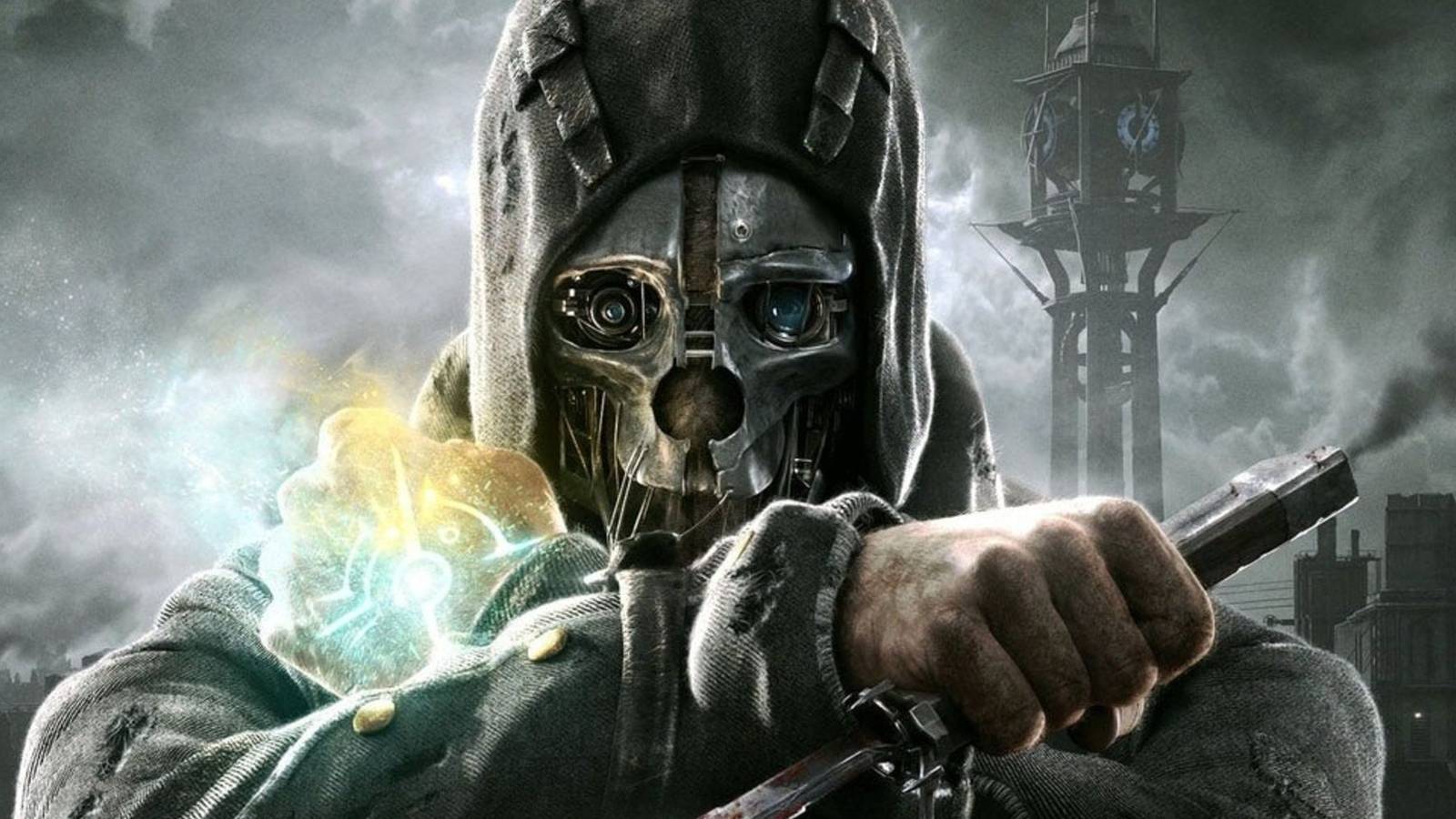
If you ask a gamer to describe Dishonored, you'll likely hear a mashup of "dark fantasy steampunk revenge action thriller." That's a lot of genres for one game, but developer Arkane Studios and publisher Bethesda Softworks—known for Fallout and The Elder Scrolls—pulled it off in 2012. The game's familiar plot beats are woven together so seamlessly that the journey and its payoff feel fresh and gripping. With its cinematic edge and the recent boom in quality video game adaptations, Dishonored is primed for a TV series that could captivate audiences hungry for morally complex fantasy revenge thrillers.
What Is 'Dishonored' About?
You play as Corvo Attano, the Royal Protector—essentially a bodyguard—and secret lover of Empress Jessamine Kaldwin. After returning from a mission, Corvo watches helplessly as magic-wielding assassins murder Jessamine and kidnap their daughter, Emily. Framed for the crime, Corvo is imprisoned. Six months later, a rebellion frees him in exchange for his help rescuing Emily and overthrowing the corrupt usurpers—politicians, aristocrats, and businessfolk who now control Dunwall. Corvo gets a supernatural edge from the Outsider, a mysterious godlike figure who grants powers out of curiosity rather than malice.
Worldbuilding and Moral Complexity
Dishonored excels at building a rich, oppressive world. Dunwall is a maritime city modeled after late 19th-century London and Edinburgh, drenched in an oil-painting aesthetic. It's a place of stark contrasts: opulent mansions next to rat-infested factories, advanced technology alongside sorcery. The city is ravaged by a plague, and the wealthy elite profit from the misery. Corvo's quest for vengeance is set against this bleak backdrop, forcing players to choose between brutal murder and stealthy, non-lethal solutions. The game's moral system rewards restraint, but the path of violence is always tempting.
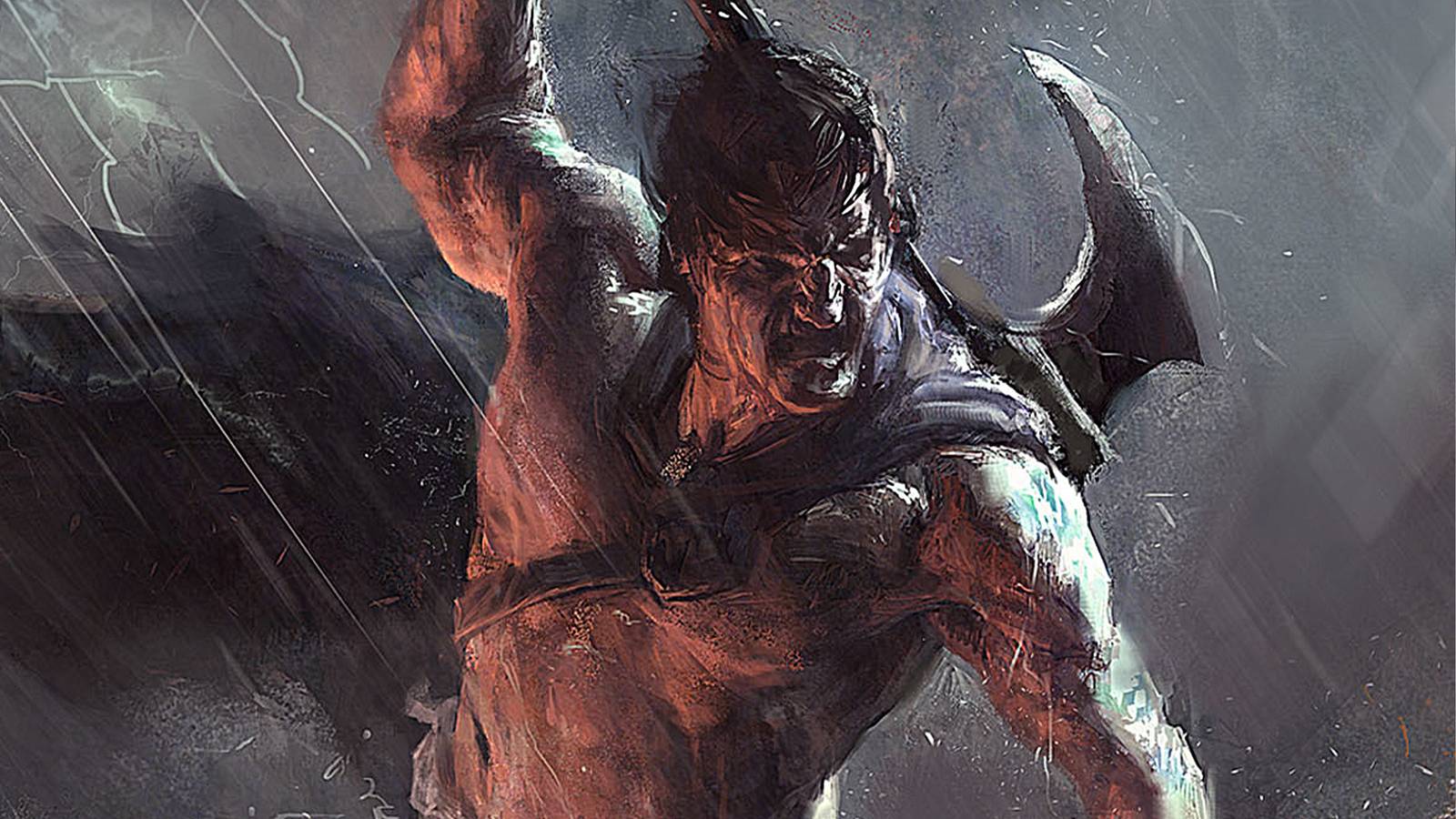
The Outsider, a neutral observer who was once a human teenager sacrificed by a cult, adds a layer of intrigue. His powers are cool but come with ethical questions. This ambiguity is perfect for a TV series, which could explore Corvo's internal struggle between revenge and justice. The game's two distinct endings—one where Corvo slaughters his targets, another where he brings them to poetic justice—give a showrunner creative freedom to choose a definitive path or even blend them.
Why TV Is the Perfect Medium
Dishonored's first-person perspective and silent protagonist were designed for player immersion, but a TV adaptation can flesh out Corvo's character with dialogue and flashbacks. The game's stealth missions, with their tension and environmental storytelling, would translate into gripping television. The show could also delve into the Outsider's backstory, which is ripe for a spin-off or special episode. With the success of adaptations like Arcane and the growing appetite for dark fantasy, Dishonored could follow in their footsteps.
The series could also explore the political intrigue and class struggle that define Dunwall. The rich live in luxury while the poor die from plague or are devoured by rats. This social commentary, combined with supernatural elements, makes for a compelling narrative. A TV show could expand on side characters and factions, like the loyalist rebellion or the corrupt overseers, adding depth to an already rich world.
In an era where streaming platforms are hungry for high-concept genre fare, Dishonored offers a ready-made universe. Its blend of revenge, magic, and moral ambiguity is a recipe for a hit series. Just as Blade Runner 2049 found new life on streaming, Dishonored could captivate a new audience on the small screen.