For decades, car chases have been the heartbeat of action cinema, with classics like Bullitt and The French Connection setting the gold standard. But in 2025, Paul Thomas Anderson's One Battle After Another arrived to shatter expectations. The film's climactic desert chase—a taut, four-minute masterpiece—doesn't just pay homage to its predecessors; it reinvents the wheel, proving that less can be more when it comes to high-octane thrills.
A Minimalist Masterpiece
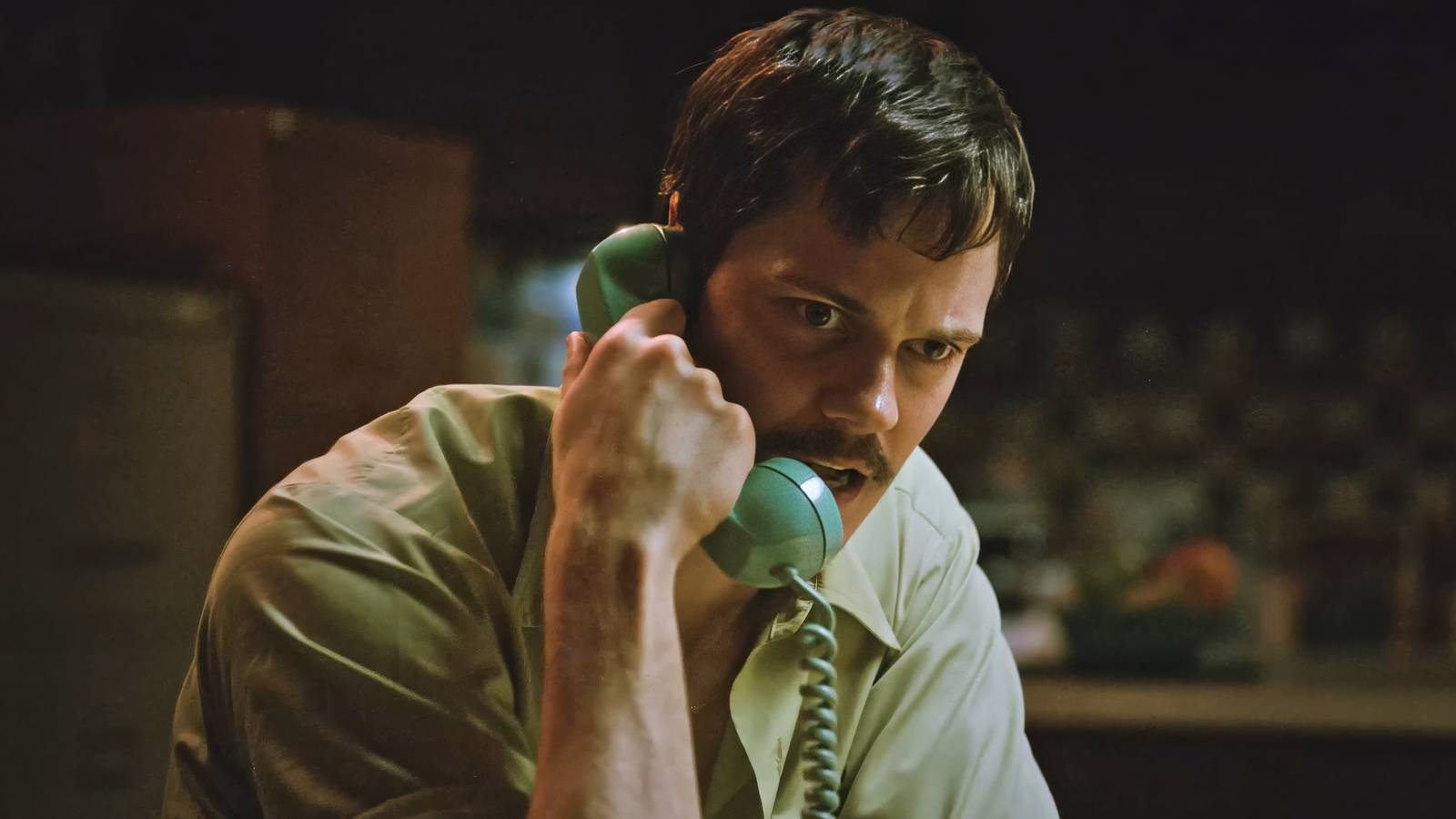
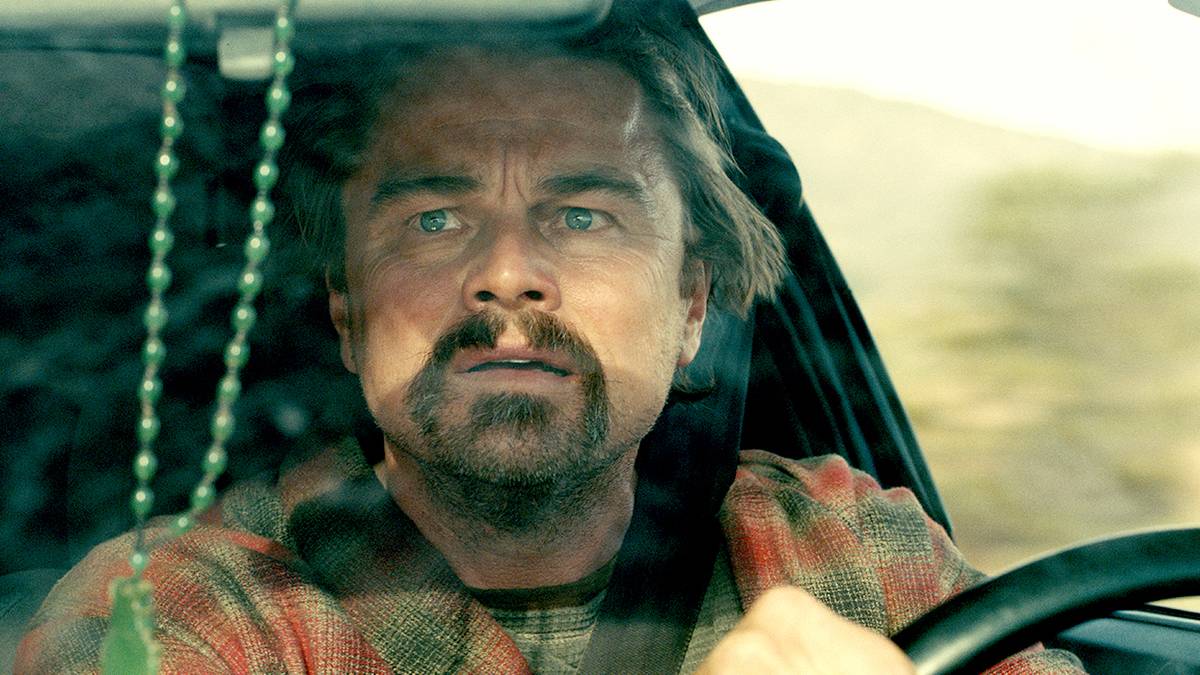
Anderson, known for intimate dramas like There Will Be Blood and The Master, took a bold leap with his most ambitious film yet. One Battle After Another marks his first collaboration with Leonardo DiCaprio, who plays Bob Ferguson, a washed-up revolutionary chasing his estranged daughter, Willa (Chase Infiniti), across a desolate landscape. The chase pits Bob against Tim Smith (John Hoogenakker), an assassin for the white nationalist Christmas Adventurer's Club, while Willa fights for her own survival.
The sequence unfolds on an empty desert highway, framed like a John Ford Western. Anderson strips away music and dialogue, letting the roar of engines and the vast, ominous horizon do the talking. The camera cuts between tight interior shots of the drivers and sweeping panoramas of the cars cresting hills, creating a hypnotic rhythm that feels both intimate and epic.
Why This Chase Stands Alone
Unlike the bombastic set pieces of modern blockbusters, Anderson's approach is restrained. The chase relies on expert blocking and location scouting, turning the road into a roller-coaster that immerses viewers without CGI overload. It's a cerebral action sequence that carries the weight of American democracy, symbolizing the older generation's struggle to confront fascism while the youth—embodied by Willa—prove ready to fight back.
This isn't just a thrill ride; it's a reflection on aging, generational divides, and the rise of extremism. Anderson infuses his signature dark comedy and political commentary into every frame, making the chase as thought-provoking as it is exhilarating. For fans of Killing Eve, which similarly redefined obsession in spy thrillers, One Battle After Another offers a fresh take on tension and character-driven action.
The Legacy of a New Classic
In an era where action sequences often prioritize spectacle over substance, Anderson proves that expert filmmaking and attention to detail can deliver awe-inspiring thrills. The desert chase in One Battle After Another is a triumph of minimalism, reminding us that sometimes all you need is an unsettling stretch of road and a story that matters. It's a sequence that will be studied for years, much like the iconic chases of the 1970s, and it cements Anderson's place as a master of every genre he touches.
For those who love Top Gun: Maverick's aerial dogfights or the relentless momentum of Mad Max: Fury Road, this chase offers a different kind of adrenaline—one built on patience, precision, and emotional stakes. It's a reminder that the greatest car chases aren't just about speed; they're about the journey, the characters, and the world they're fighting for.