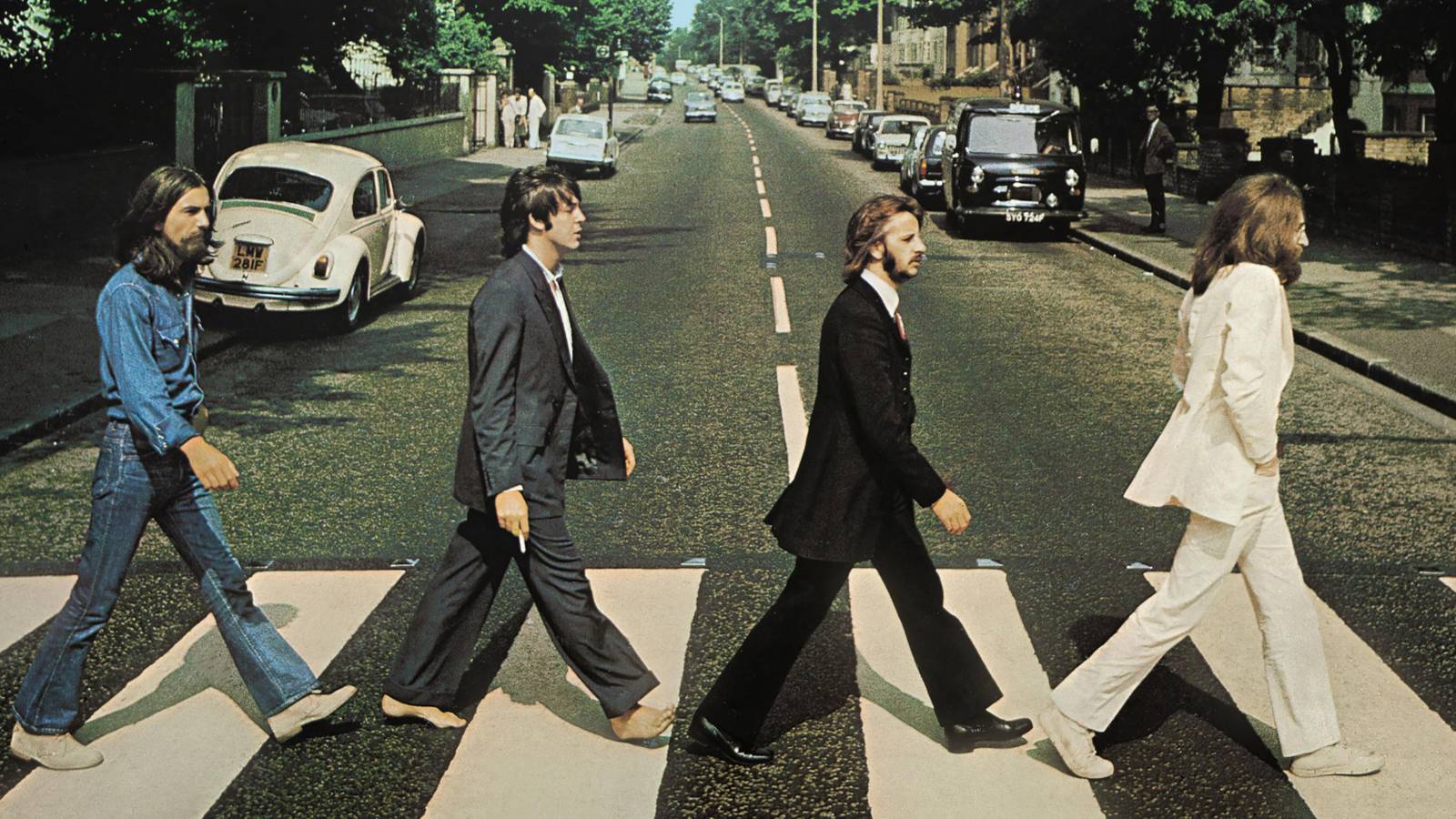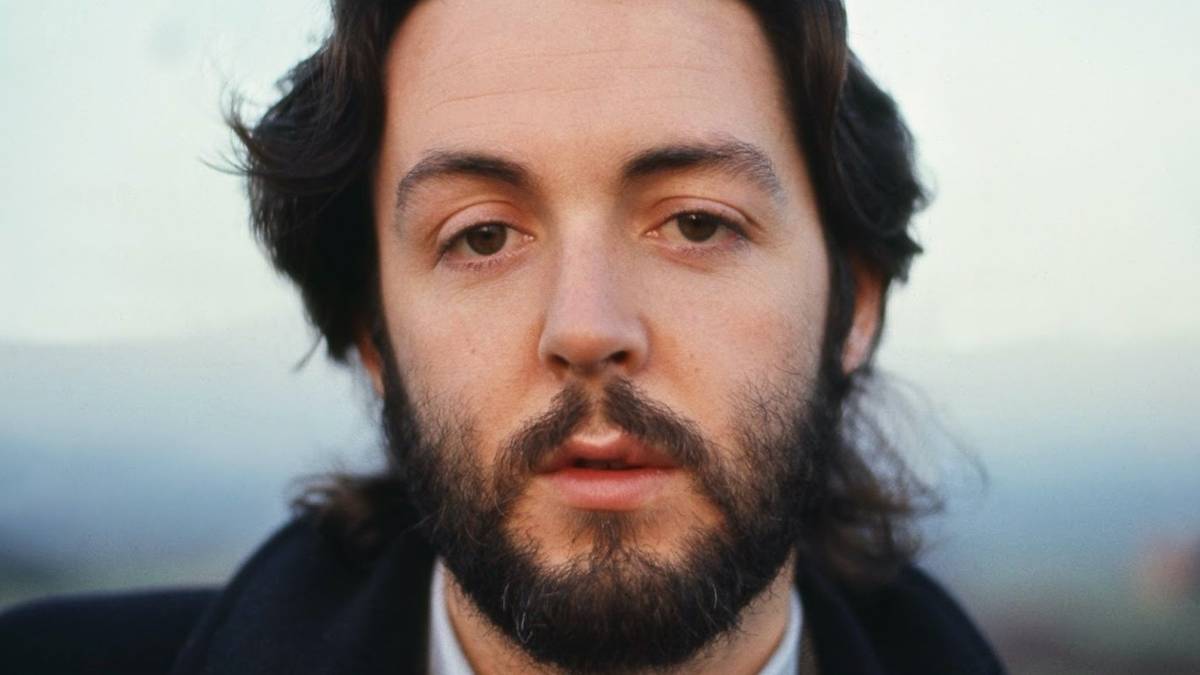
The year 1970 stands as a monumental turning point in music history, largely defined by the quiet, definitive end of The Beatles. While the world still believed the Fab Four were a unit, Paul McCartney was already crafting his escape, recording his first solo album in private. This act of creative independence didn't just launch a new chapter—it slammed the door shut on the old one.
A Band Fractured at Its Peak
By early 1970, The Beatles were creatively brilliant but personally splintered. The iconic rooftop concert in January was their last public performance, captured for the Let It Be film. Later documentaries would reveal the deep tensions, but at the time, fans were unaware that John Lennon had already privately declared his departure. McCartney, bound by this secret, found himself in an impossible position: emotionally adrift and artistically stifled, unable to move forward while the world assumed the band played on.
Emerging from a period of post-breakup seclusion and depression, McCartney found a lifeline in his new wife, Linda Eastman. Her encouragement pulled him back to music, resulting in the creation of his self-titled debut. McCartney was a radical DIY endeavor; he wrote, performed every instrument, and produced the entire record in his home studio. It was a raw, personal statement of rebirth, though its release was fraught with complication.
The Announcement That Shook the World
The central problem was timing. McCartney couldn't unveil his solo work without addressing the elephant in the room. In a pivotal April 1970 interview, he finally confirmed the band's split, citing "personal differences, business differences, musical differences" and his desire to focus on family. His phrasing, which implied he initiated the breakup, infuriated John Lennon and sent shockwaves through the global fanbase. McCartney also positioned Linda as his new creative partner, a pointed shift from the legendary Lennon-McCartney duo.
A Controversial Chart Showdown
The album's release created an unprecedented conflict: McCartney's solo debut was scheduled for the same month as The Beatles' final album, Let It Be, both on the Apple label. Despite pleas from his former bandmates to delay his release, McCartney refused. The Beatles ultimately pushed back Let It Be, but the damage was done. McCartney hit shelves just a week after the breakup announcement, ensuring the last Beatles album would be posthumous.
Initial critical reception to McCartney was mixed, with some dismissing its lo-fi, homemade quality. History, however, has been kind, recognizing it as a pioneering work that foreshadowed the indie and home-recording revolutions. Its legacy is inextricably tied to its role as a catalyst. For more on overlooked gems from legendary artists, explore our feature on Lost Hits: The Chart-Topping Songs by McCartney, Stones & Elton That Time Forgot.
The competing releases forced an inevitable and painful comparison, framing McCartney's new beginning directly against his band's poignant end. The controversy cemented the narrative that his solo ambition accelerated the final split. In a later effort to clarify band history, Ringo Starr Sets Record Straight: 'Back Off Boogaloo' Was Never a Paul McCartney Diss, highlighting the complex interpersonal dynamics that lingered.
Ultimately, McCartney is more than a debut album; it's a historical artifact marking a seismic shift. It represents the moment Paul McCartney chose his future over the past, using his art to break free from a legacy that both defined and confined him. The record's success proved he could stand alone, but its release strategy ensured that The Beatles could not continue, making it the definitive full stop on the greatest band story ever told.