In the world of Game of Thrones, hope is often a fleeting luxury. Yet one seemingly uplifting line from Season 1 casts an even darker shadow over the entire saga. When Syrio Forel tells Arya Stark, “There is only one god, and His name is Death,” it’s meant to steel her courage. But with the full story in view, that single sentence hints at a terrifying cosmic order where death isn’t just an end—it’s the ultimate power.
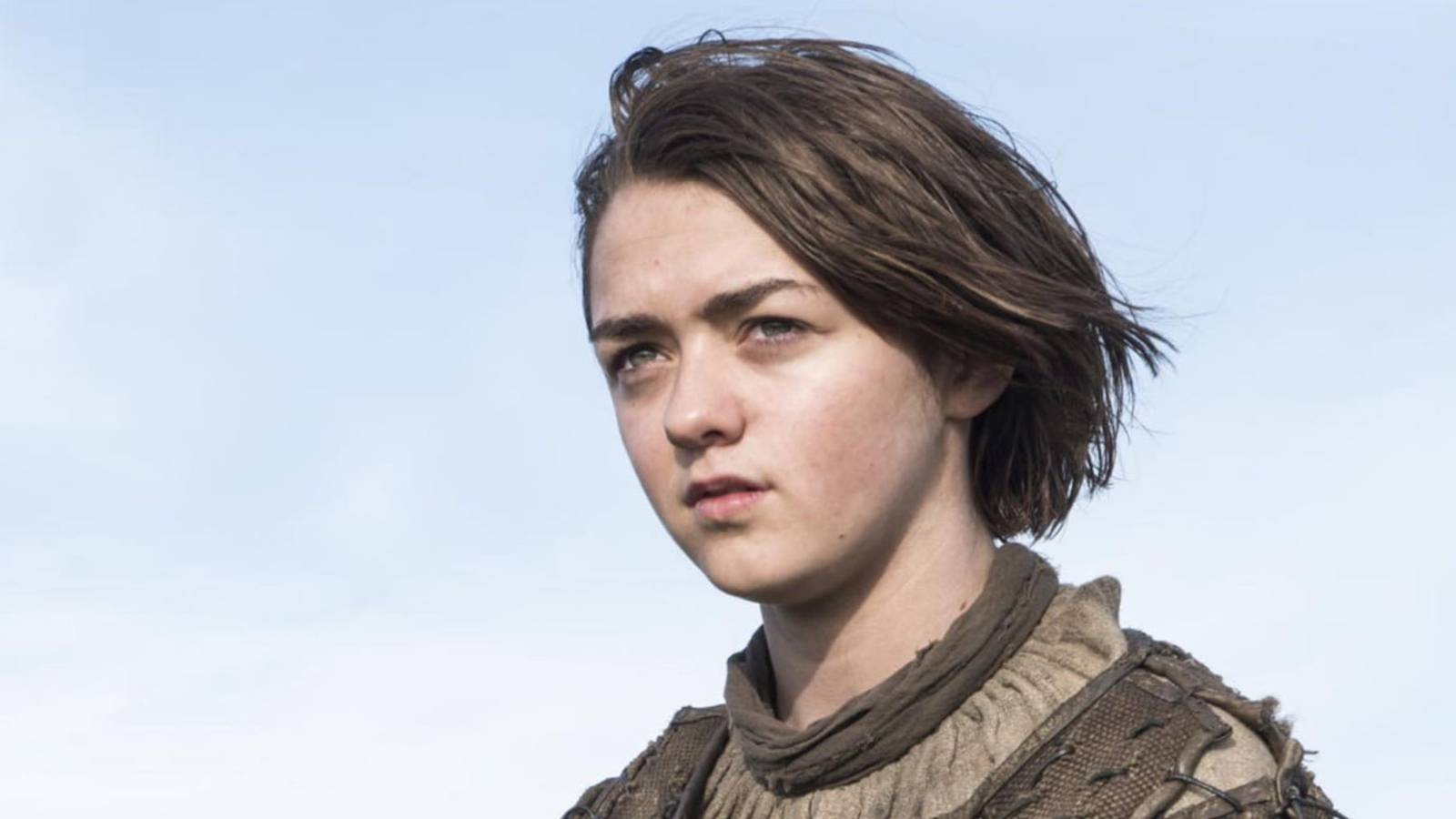
Syrio, a Braavosi swordsman, offers this mantra to a frightened Arya in the episode “A Golden Crown.” He asks if she prays, and she mentions both old gods and new. His reply is a window into a foreign belief system: “There is only one god, and His name is Death. And there is only one thing we say to Death: ‘Not today.’” In the moment, it’s a call to resilience. But the quote reverberates through the series, especially when Arya later uses it against the Night King.
The Braavosi Connection to Death
Braavos, a city founded by escaped Valyrian slaves, prides itself on religious tolerance. Yet its most famous exports—the Faceless Men—worship death in a very literal sense. Arya’s training in shapeshifting and assassination is tied to this cult, and in George R.R. Martin’s books, their powers are linked to other forms of magic, including the Starks’ skin-changing and greensight. If the Faceless Men’s abilities stem from a death-centric faith, it raises unsettling questions about the source of all magic in Westeros.
Some fans theorize that the Faceless Men even contributed to the Doom of Valyria, suggesting their influence runs deeper than mere assassination. This puts Syrio’s pep talk in a new light: he wasn’t just encouraging a little girl; he was indoctrinating her into a worldview where death is the only constant.
Melisandre’s Twist on the Same Theme
Melisandre, the Red Priestess of R’hllor, preaches a dualistic faith: light versus darkness. Yet in the Battle of Winterfell, she echoes Syrio’s words to Arya: “What do we say to the god of death?” It’s a surprising moment, given that Melisandre earlier saw Arya as a servant of darkness. By using that quote, she acknowledges that even her own cosmology can’t escape the shadow of death. The fact that Arya kills the Night King with that line on her lips suggests the cycle isn’t broken—just postponed.
If the Night King is an avatar of death, then the Braavosi might have been serving him all along. This would mean that the White Walkers aren’t a separate evil but a manifestation of the same force Syrio worshipped. It’s a chilling thought that reframes the entire conflict.
What This Means for the Books
If Martin ever finishes The Winds of Winter, these connections could become explicit. The books have more room to explore the White Walkers’ origins, the Weirwood network, and the nature of skin-changing. Many fans believe the Walkers use a form of warging to raise the dead, linking them directly to the Starks’ abilities. Syrio’s quote might be the key to understanding that all magic in this world is a transaction with death.
For now, the line remains a haunting reminder that in Game of Thrones, even the most inspiring words can hide a terrifying truth. And if you’re looking for more horror that lingers, check out our list of Flawless Frights: Horror Movies That Nail Every Scene from Opening to Credits or dive into How 'The X-Files' Episode 'Squeeze' Created a Horror Icon 33 Years Ago.