Horror movies live or die by their ability to grip audiences from the very first frame. The best ones don't waste a single second—they establish mood, introduce stakes, and plunge viewers into terror before they can catch their breath. These are the rare films where every scene builds on the last, creating an unbroken chain of dread that pays off spectacularly by the end.
From claustrophobic underground nightmares to cosmic body horror, these masterpieces prove that great horror is about pacing, atmosphere, and storytelling as much as jump scares. Here are the horror movies that are perfect from the first scene to the last.
The Thing (1982)
John Carpenter's The Thing opens with a helicopter chasing a dog across the Antarctic ice—a simple, eerie image that sets the tone for paranoia and isolation. Every subsequent scene tightens the screws, from the gruesome creature transformations to the mounting distrust among the research team. The film never lets up, building to an ambiguous final shot that still haunts viewers decades later.
The Descent (2005)
Neil Marshall's The Descent begins with a tragic accident that foreshadows the horrors to come. As a group of women descends into an uncharted cave system, the film masterfully shifts from psychological tension to visceral terror. The claustrophobic cinematography and relentless pacing ensure that not a single scene feels wasted, culminating in a brutal, unforgettable finale.
Hereditary (2018)
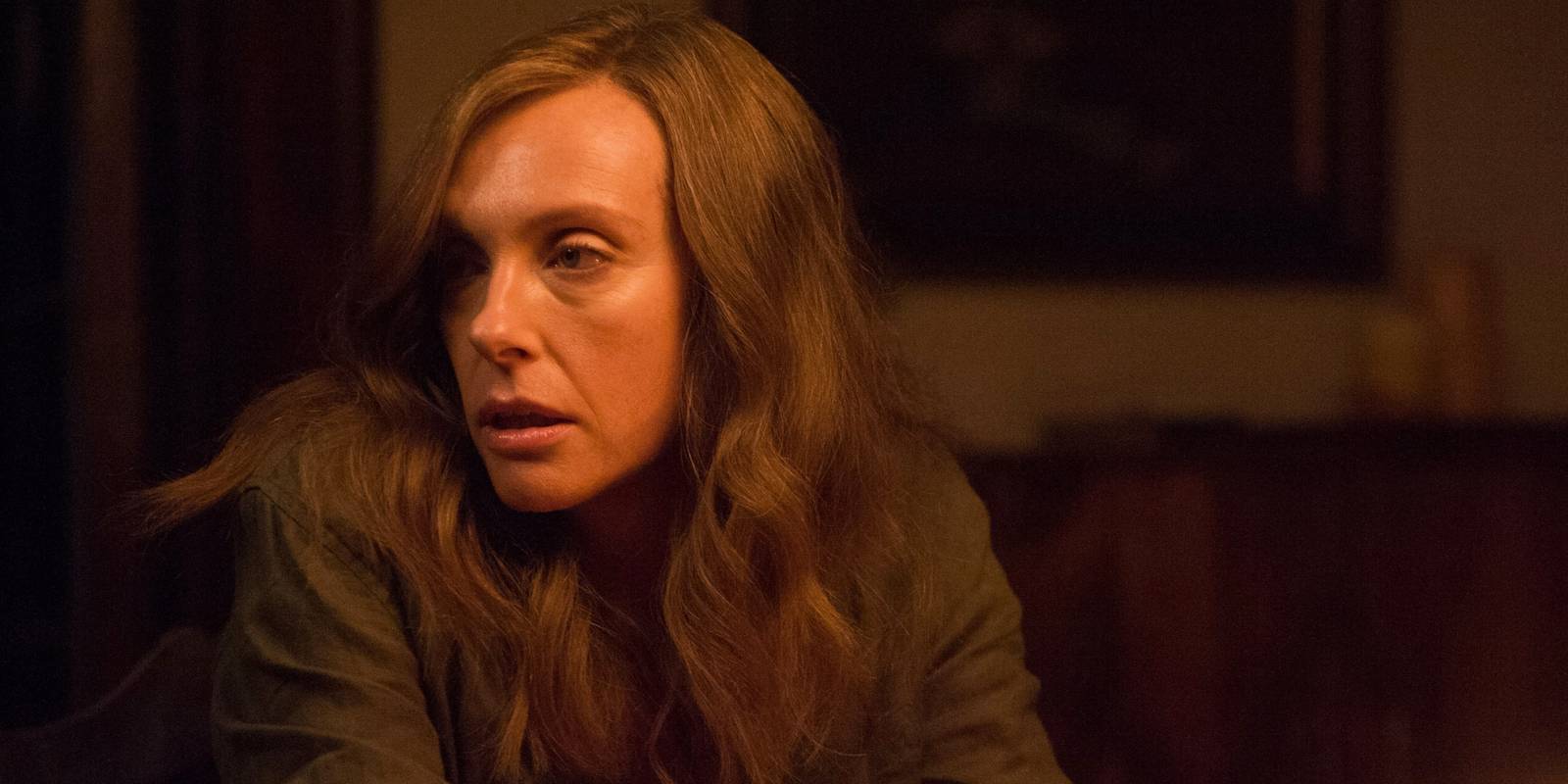
Ari Aster's Hereditary announces its intentions with a chilling opening shot of a dollhouse—a metaphor for the family's fragile facade. From there, the film spirals into grief, manipulation, and supernatural dread. Every scene is meticulously crafted, with foreshadowing that rewards repeat viewings. The final act delivers a gut-punch that redefines the entire story.
Alien (1979)
Ridley Scott's Alien opens with the crew of the Nostromo waking from cryosleep in a silent, cavernous ship. The slow-burn tension builds methodically, with each scene revealing more about the terrifying creature and the corporate conspiracy. The film's pacing is flawless, leading to a nerve-shredding climax that remains iconic.
The Shining (1980)
Stanley Kubrick's The Shining begins with an aerial shot of a car winding through mountains, accompanied by an ominous score. That sense of isolation never fades. Every scene—from the eerie ballroom to the hedge maze—adds layers of madness and dread. The film's structure is so tight that even the most surreal moments feel inevitable.
Get Out (2017)
Jordan Peele's Get Out hooks viewers with its opening scene: a Black man walking alone at night in a wealthy white suburb. The tension is immediate and never relents. Each scene peels back another layer of the film's social commentary and horror, building to a cathartic, satisfying conclusion. It's a masterclass in using every moment to advance both plot and theme.
Psycho (1960)
Alfred Hitchcock's Psycho starts with a seemingly mundane afternoon in Phoenix, but the famous shower scene arrives early and shatters expectations. From there, the film shifts perspectives, unravels mysteries, and delivers one of cinema's greatest twists. Every scene serves a purpose, whether building suspense or deepening character.
The Exorcist (1973)
William Friedkin's The Exorcist opens in Iraq, where Father Merrin discovers an ancient demonic artifact. This prologue establishes the cosmic stakes before the horror moves to Georgetown. The film's deliberate pacing allows each scene to amplify the terror, from Regan's subtle changes to the full-blown possession. The final exorcism is earned through meticulous buildup.
Halloween (1978)
John Carpenter's Halloween begins with a chilling first-person shot of young Michael Myers stabbing his sister. That opening sets the stage for a film that uses every scene to build suspense. The use of shadow, silence, and Carpenter's iconic score ensures that even quiet moments feel charged with danger.
It Follows (2014)
David Robert Mitchell's It Follows opens with a young woman running in terror, her fate sealed. This haunting prologue establishes the film's central conceit: an unstoppable entity that pursues its victims. Every scene maintains a dreamlike dread, with the threat always lurking just out of frame. The film's ending is ambiguous but perfectly in line with its relentless logic.
These films prove that horror is at its best when every scene counts. For more edge-of-your-seat brilliance, check out our list of thrillers that are perfect from start to finish. And if you're in the mood for something even more devastating, explore the saddest Stephen King movies or revisit Mike Flanagan's most devastating twist.