Eight years after its debut, Mike Flanagan's The Haunting of Hill House still haunts viewers—and one episode in particular stands as a towering achievement in horror television. Episode five, "The Bent-Neck Lady," is not just the scariest chapter of the series; it's a masterclass in emotional devastation and narrative sleight of hand.
Loosely based on Shirley Jackson's 1959 gothic novel, Flanagan's Netflix miniseries expands the story into a sprawling family saga. The Crain family—parents Hugh and Olivia, and their five children—flee their haunted mansion after a series of tragedies. But the ghosts of Hill House follow them into adulthood, especially for the youngest daughter, Nell (Victoria Pedretti).
The Terror That Follows Nell
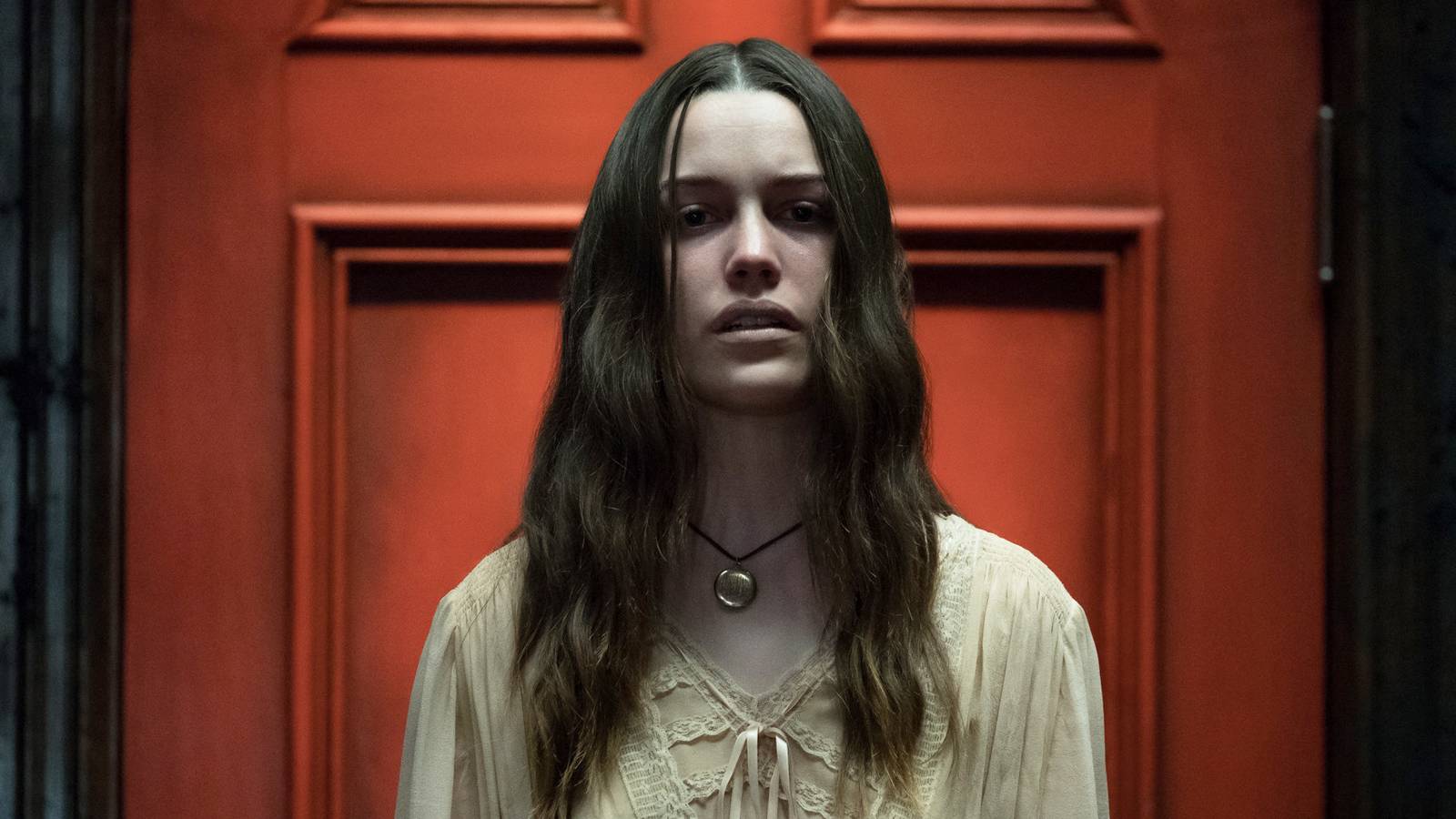
From childhood, Nell is plagued by a spectral figure she calls the Bent-Neck Lady—a woman with a grotesquely twisted neck who appears during episodes of sleep paralysis. The ghost's haunting cries of "no, no, no" echo through Nell's life, leaving her unable to move or look away. As an adult, Nell finds temporary relief when she marries sleep technician Arthur (Jordane Christie). For eight months, she experiences peace. Then the Bent-Neck Lady returns, and during one paralytic episode, Arthur dies of an aneurysm while trying to help her.
Consumed by grief and convinced Hill House is to blame, Nell stops taking her medication. Her therapist (Russ Tamblyn) urges her to confront her past by returning to the house—unwittingly playing into the evil that lurks there. When Nell arrives, the abandoned mansion appears restored, filled with her family and Arthur. Her mother Olivia (Carla Gugino), who died in the house years earlier, leads Nell to the spiral staircase and places a noose around her neck, convincing her it's a locket. Too late, Nell realizes the truth: she's pushed off the balcony, her neck breaking on impact.
The Twist That Changes Everything
As Nell dies, she experiences a time-slip, witnessing all her past encounters with the Bent-Neck Lady—from the ghost's perspective. The horrifying revelation: Nell herself was the Bent-Neck Lady all along, trapped in a loop, haunting her own past. This twist transforms a conventional ghost story into a profound tragedy. The spirit's cries of "no, no, no" aren't warnings—they're pleas from a soul forced to relive her own demise forever.
Flanagan's genius lies in how the episode rewards rewatch. Every scene takes on new meaning once you know the truth. The Bent-Neck Lady isn't a malevolent entity; she's a victim, begging not to witness her own suffering. And the cruel irony deepens when you realize Olivia—who once tried to poison Nell to "protect" her—completes her deadly mission by luring Nell back to the house. The mother who threw herself from that same staircase now ensures her daughter shares her fate.
For fans of modern horror, this episode is essential viewing. It's a reminder that the scariest stories aren't just about monsters—they're about the inescapable loops of trauma and loss. If you're looking for more terrifying tales, check out Why the Wishmaster Series Is the Ultimate Guilty Pleasure Horror Binge or explore Beyond the King: 8 Terrifying Horror Books That Aren't by Stephen King.
Eight years later, "The Bent-Neck Lady" remains a benchmark for horror storytelling—a perfect blend of scares and sorrow that proves Flanagan is a master of the genre.