For years, video game adaptations were the punchline of Hollywood—a graveyard of good intentions and bad execution. From the clunky 'Mortal Kombat' films of the '90s to the muddled 'Resident Evil' reboots, the leap from controller to screen seemed cursed. The core problem? Games are built on interactivity, and stripping that away often leaves a hollow shell. But in 2021, Netflix's Arcane shattered that curse, delivering a near-perfect series that didn't just adapt League of Legends—it redefined what video game TV could be.
A Turning Point for the Genre
Five years ago, Arcane arrived like a bolt of lightning. It wasn't the first good video game adaptation, but it was the first to prove that the genre could be taken seriously. By focusing on the political tension between the glittering city of Piltover and the oppressed underground of Zaun, the show zeroed in on characters like Vi (Hailee Steinfeld) and Jinx (Ella Purnell), turning them into deeply human figures we could root for. Every character, from the noble Jayce to the tragic Silco, was given the same rich treatment—written and voiced with a depth that honored their in-game origins while adding layers of emotion and conflict. This wasn't just fan service; it was storytelling that made you forget you were watching a game adaptation at all.

Since Arcane, the landscape has shifted dramatically. Hits like Cyberpunk: Edgerunners, The Last of Us, and Fallout have followed, proving that the formula works. Even upcoming projects like Elden Ring and Magic: The Gathering are riding this wave of optimism. Arcane didn't just improve the genre—it saved it, giving gamers and casual viewers alike a reason to get excited about seeing their favorite worlds on screen.
Immersive Worldbuilding Without the Controller
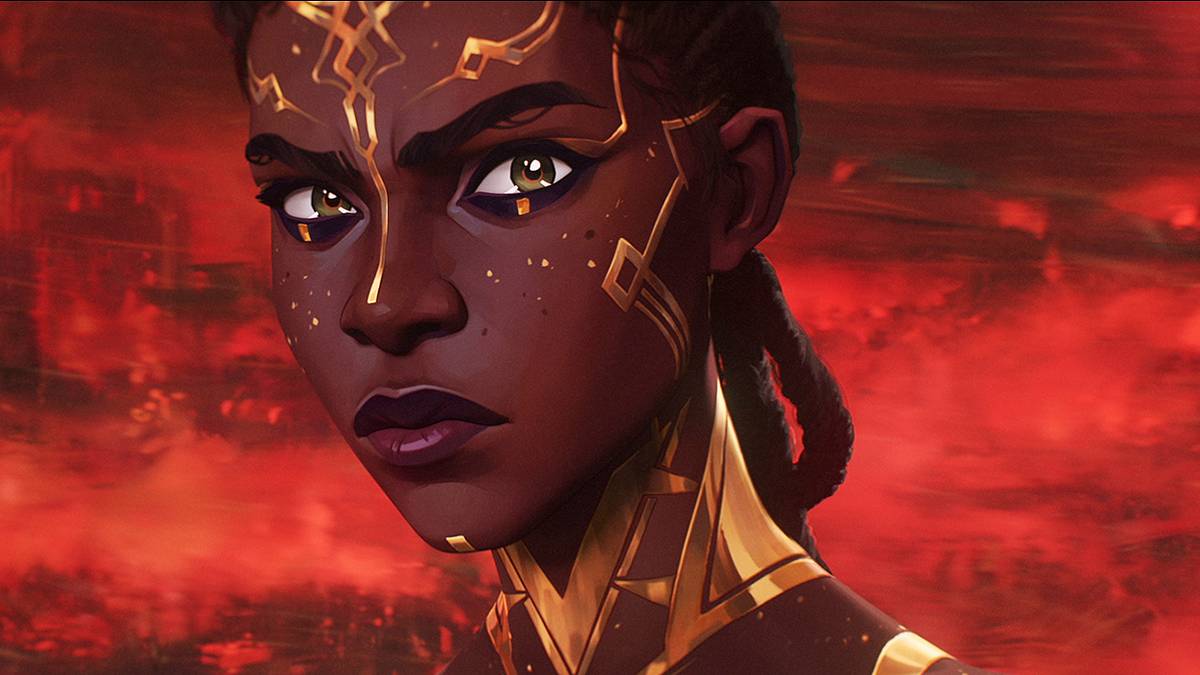
One of the biggest challenges for any video game adaptation is recreating the sense of immersion that players feel when they're in control. Arcane solved this by building a world so vivid and tactile that you feel like you're walking through the grimy streets of Zaun or the gleaming towers of Piltover. The show's art style is a sensory overload in the best way—kinetic, painterly, and bursting with detail. Every frame is a feast for the eyes, from the neon-lit chaos of the undercity to the sterile elegance of the elite. The music and sound design only amplify this, with moments that feel like music videos, pulling you deeper into the emotional core of the story.
But it's the writing that truly sells the immersion. Arcane takes the game's lore—Hextech, Chemtech, the class divide—and turns it into a nuanced, grounded conflict. Hextech isn't just a magical power source; it's a volatile, dangerous force that mirrors real-world inequality. The show doesn't shy away from the messiness of its world, making it feel as real as our own. You may not be controlling the characters, but you're right there with them, feeling every triumph and heartbreak.
A Blueprint for the Future
Not every adaptation needs to copy Arcane's style, but the series provided a roadmap: honor the source material, but don't be afraid to expand it. Give characters depth, build a world that feels lived-in, and never underestimate the power of great animation and music. The show's success also proved that audiences are hungry for these stories—enough to make studios take risks on projects like FX's upcoming 'Far Cry' series and other ambitious adaptations.
In the end, Arcane didn't just save video game adaptations—it elevated them. It showed that with the right creative choices, a show can be just as immersive as the game it's based on, and maybe even more emotionally resonant. For fans of League of Legends and newcomers alike, it's a reminder that sometimes, the best stories are the ones we never knew we needed.