
The 1990s were a golden era for music, with grunge and pop-punk shaking up the airwaves. It was a raw, unfiltered sound that pushed back against the polished glam rock of the previous decades. Amid this shift, alternative folk-rock band R.E.M. finally found their footing, releasing two landmark albums in quick succession: Out of Time in 1991 and Automatic for the People in 1992. The latter, a melancholic masterpiece, was elevated by an unexpected collaborator: John Paul Jones, the legendary bassist of Led Zeppelin.
From Record Store to Rock Stardom
R.E.M.'s journey began in 1980 when Peter Buck and Michael Stipe met at a record store in Athens, Georgia. Bonding over a shared love for proto-punk, they soon joined forces with Bill Berry and Mike Mills, forming a quartet that would redefine alternative rock. Their first gig was at a friend's birthday party in a church hall, where they played to a crowd of about 300 people as the Twisted Kites. From there, they dropped out of college and toured the South, playing in dive bars and pizza parlors, slowly building a cult following.
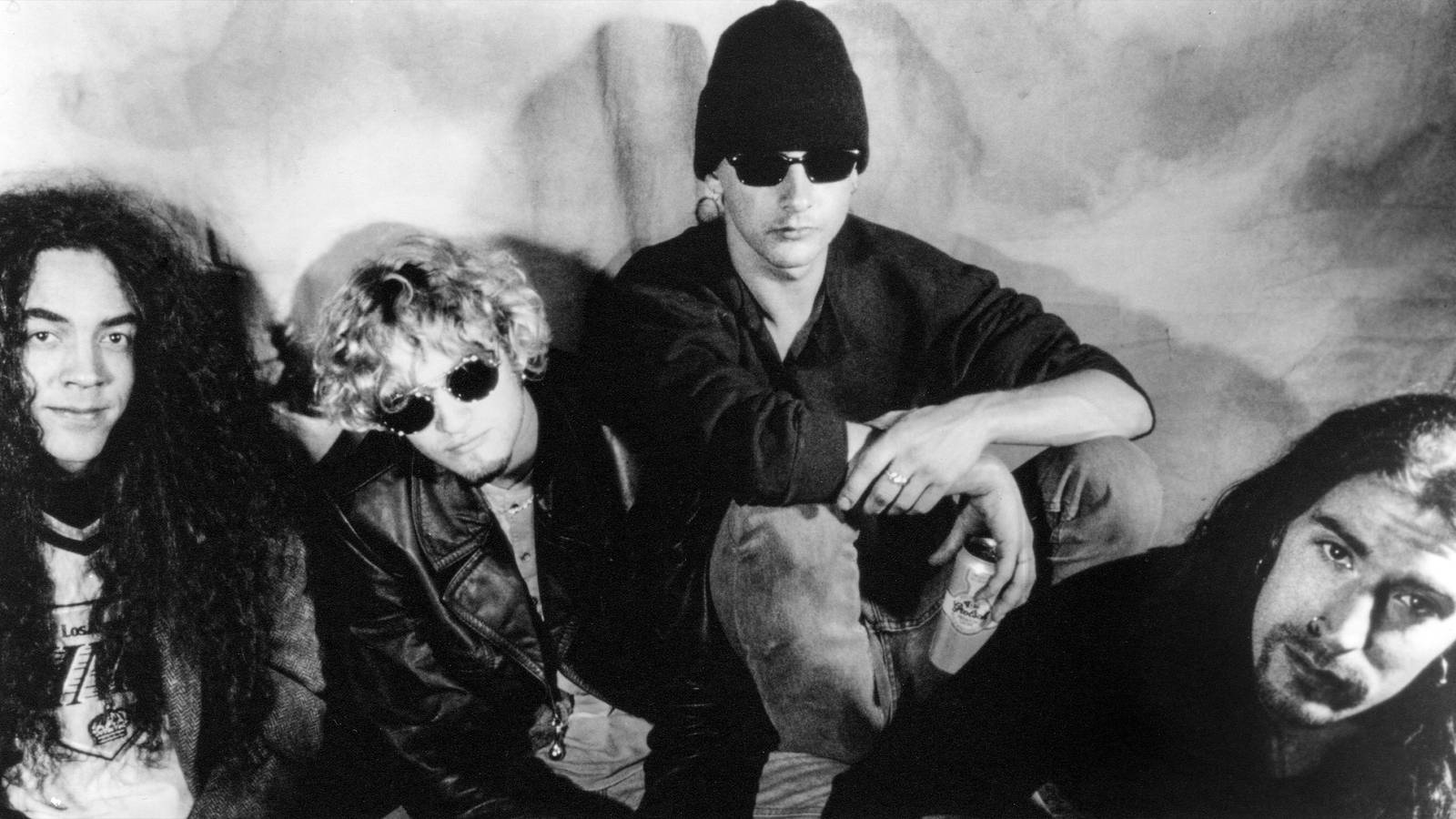
By the mid-80s, they were touring internationally, but mainstream success remained elusive. That changed with Out of Time in 1991, which topped charts worldwide and spawned hits like "Losing My Religion" and "Shiny Happy People." Suddenly, R.E.M. were one of the biggest names in alternative rock.
The Making of a Classic
Following the whirlwind success of Out of Time, the band returned to the studio to craft their eighth album. Many of the tracks on Automatic for the People were reworked demos from the Out of Time sessions. With commercial pressure off, they experimented more freely, swapping instruments and exploring new sounds. They recorded around thirty tracks, twelve of which made the final cut.
The album's themes centered on loss, nostalgia, and the passage of time—fitting for a band approaching thirty. Initially aiming for a harder rock sound, they pivoted to a softer, more emotional approach, incorporating classical strings to enhance the mood. That's where John Paul Jones came in.
John Paul Jones: The Secret Weapon
Jones, best known for his work with Led Zeppelin, was a classically trained musician. When R.E.M.'s manager sent him demos, he was intrigued and flew down to collaborate. He arrived with meticulously annotated sheet music, ready to work with local classical musicians. His arrangements for "Drive," "The Sidewinder Sleeps Tonight," "Everybody Hurts," and "Nightswimming" added a lush, cinematic quality that became a hallmark of the album.
The band had doubted he'd agree, but Jones's contribution proved invaluable. His string sections didn't just accompany the songs—they elevated them, giving the album a timeless, almost orchestral feel. It's a testament to his versatility and the collaborative spirit of the era.
For fans of classic rock, Jones's work on this album is a fascinating footnote in the careers of both R.E.M. and Led Zeppelin. It's a reminder that great music often comes from unexpected partnerships. If you're exploring more rock history, check out our ranking of Alice in Chains albums or dive into the decade's best rock albums.
Ultimately, Automatic for the People stands as a testament to R.E.M.'s artistry and Jones's genius. It's an album that continues to resonate, thanks in part to the delicate strings that weave through its most poignant moments.