Oscar wins that come after a person's death are rare but not unheard of. Heath Ledger famously took home a posthumous Best Supporting Actor trophy for The Dark Knight. Art director William A. Horning even won two after his passing. But Larry Russell's story is something else entirely: he won the Academy Award for Best Original Score in 1973 for Limelight — a film released in 1952, two years before Russell died. That means he received the honor 18 years after his death, and a full two decades after the movie first hit theaters.
Why 'Limelight' Still Resonates
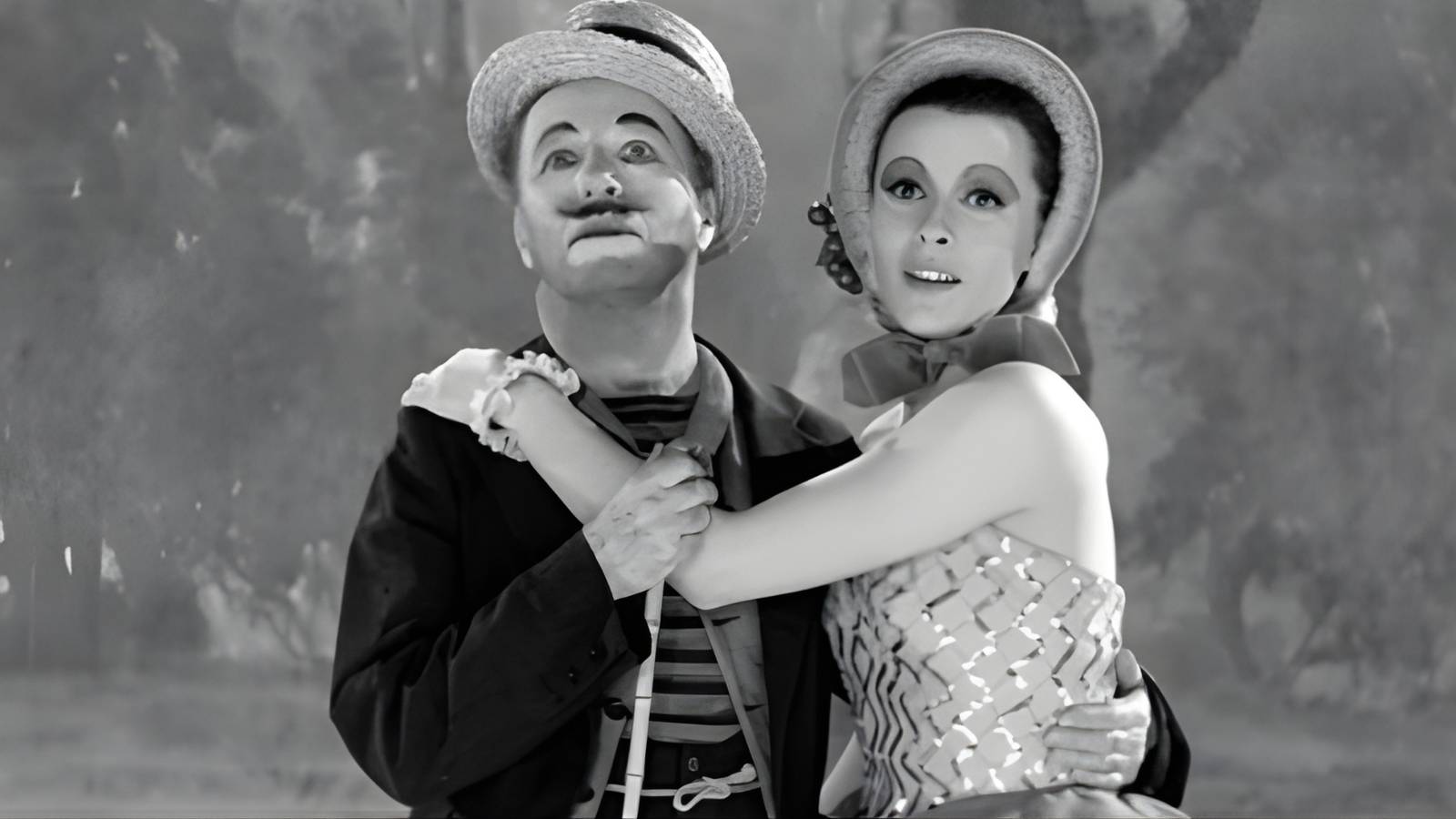
Set in 1914 London, Limelight follows Calvero (Charlie Chaplin), a once-famous stage clown now drowning his sorrows in alcohol. He rescues Terry (Claire Bloom), a young dancer paralyzed by depression, from suicide. As he nurses her back to health, both find renewed purpose. Terry returns to dancing, and Calvero attempts a comeback — hers succeeds, his doesn't. He leaves so she can move on, but eventually returns for a triumphant final performance.
The film uses music sparingly, which makes every note count. When Calvero philosophizes about life, a gentle piano underscores his words. When Terry takes her first steps, strings swell to capture the miracle. And when Calvero walks away, a mournful melody mirrors the heartbreak. The Oscar wasn't just for the score itself — it was for how perfectly it served the story.
The Rule That Delayed Everything
So how does a 1952 film win an Oscar in 1973? The answer lies in Chaplin's political troubles. After The Great Dictator and Monsieur Verdoux, Chaplin was labeled a communist sympathizer by the FBI and personally attacked by J. Edgar Hoover. Following the London premiere of Limelight, his U.S. permit was revoked. He never returned, settling in Switzerland instead.
Because of the controversy, Limelight only played in New York City in 1952. To qualify for Oscars, a film must screen in six U.S. counties, including New York and Los Angeles. That didn't happen until 1972, when the film was re-released. Suddenly eligible, it earned nominations for Russell, Raymond Rasch, and Chaplin. Russell and Rasch were both dead by then — Rasch passed in 1964 — but the Academy awarded them anyway.
Chaplin, still alive, didn't attend the ceremony. He had returned to Hollywood in 1972 to accept an Honorary Oscar, receiving a 12-minute standing ovation and an apology for his mistreatment. But no such apology was extended to the families of Russell or Rasch, who never got to see their win.
It's a strange, bittersweet footnote in Oscar history — a reminder that sometimes, even the most deserving recognition arrives far too late.