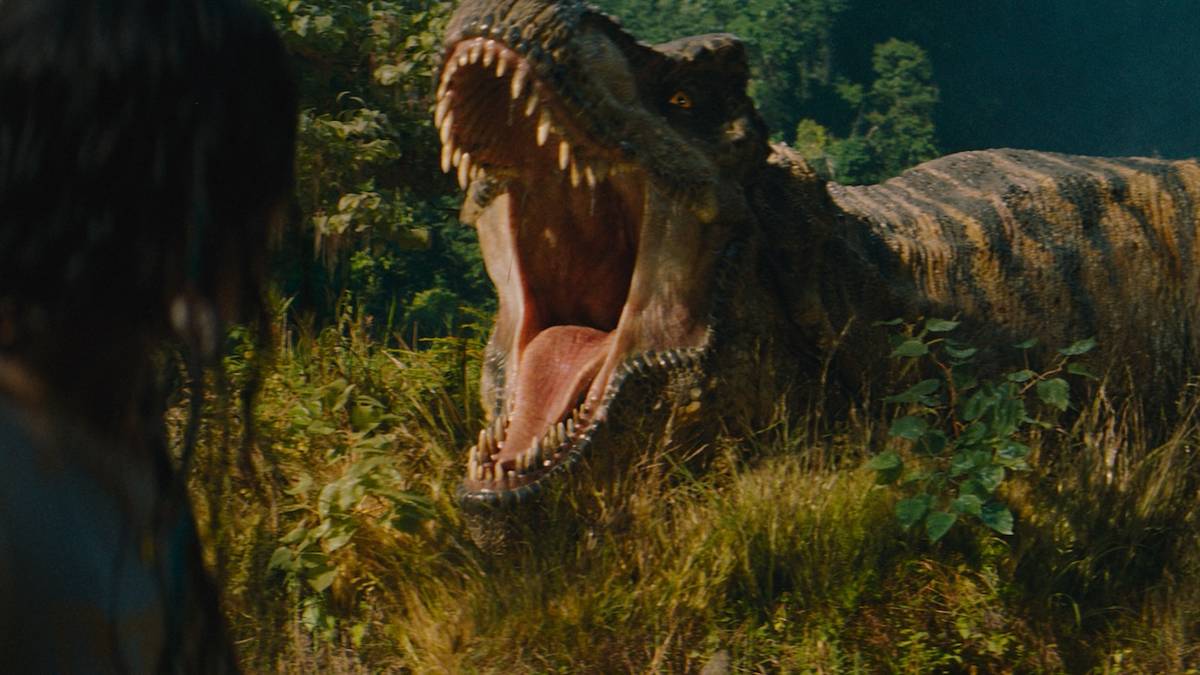
The Jurassic Park franchise has always been about spectacle—massive dinosaurs, thrilling chases, and jaw-dropping visuals. But the best modern entry in the series, Netflix's Jurassic World: Camp Cretaceous, succeeds by doing something the recent films have avoided: giving its characters room to grow. With a 92% critics score on Rotten Tomatoes, it's the highest-rated installment in the entire franchise, surpassing even the original 1993 film. The secret? It treats its human characters as more than just running targets.
The Movies' Problem: Scale Over Substance
Since Jurassic World (2015), the franchise has prioritized bigger parks, bigger threats, and bigger chaos. But this constant escalation comes at a cost: the human element gets left behind. Characters like Chris Pratt's Owen Grady often start as archetypes and end unchanged, even after surviving life-threatening encounters. The films deliver momentum and crowd-pleasing moments, but they rarely build lasting emotional investment because the characters don't meaningfully evolve. As we've seen in other blockbuster franchises, great sci-fi action needs character depth to truly resonate.
The original Jurassic Park understood this balance. It grounded its spectacle in perspective, letting characters react, process, and adapt. That gave the danger weight. But as the series expanded, the balance shifted toward faster, louder, and more explosive set pieces—at the expense of character development.
How 'Camp Cretaceous' Flips the Script
Camp Cretaceous takes the opposite approach. Instead of using characters as vehicles for action, it treats action as a catalyst for change. Across multiple seasons, we watch a group of teenagers adapt to survival on Isla Nublar. Fear transforms into resilience, trust fractures and rebuilds, and leadership emerges in unexpected places. Every major event leaves a mark that carries forward into future decisions. This long-form storytelling gives the show an advantage the films rarely use: time for consequences to matter.
The series understands that survival stories only work when survival changes the people living through them. Dinosaurs create danger, but human characters create meaning. By prioritizing both, Camp Cretaceous makes its stakes feel sharper and more personal. It's a lesson that extends beyond dinosaurs—even thrilling survival stories like Train to Busan rely on character evolution to keep audiences invested.
What the Franchise Can Learn
The success of Camp Cretaceous highlights a simple truth: the Jurassic formula doesn't need reinvention—it needs rebalancing. Spectacle has never been the problem; the franchise consistently delivers some of the most iconic imagery in blockbuster filmmaking. The issue is what happens around that spectacle. When characters remain static, even the most impressive sequences lose impact over time.
The Netflix series proves that the solution isn't scaling back the dinosaurs or the action—it's investing in the people experiencing them. Give characters room to grow, and the danger feels more immediate. Let relationships evolve, and every close call carries more weight. Build continuity across decisions, and survival starts to mean something beyond the moment. That's what the movies keep missing: not scale, ambition, or even originality, but meaningful character evolution.
Until the films start treating character growth as essential instead of optional, the franchise will keep delivering bigger moments without ever making them hit harder. For now, Camp Cretaceous stands as the gold standard—a reminder that even in a world of dinosaurs, it's the humans who make the story worth watching.