In the pantheon of cinematic crime dramas, few moments are as instantly recognizable—or as chilling—as the "Funny how?" scene from Martin Scorsese's Goodfellas. Joe Pesci's volatile Tommy DeVito turning a simple compliment into a psychological minefield has been quoted, parodied, and studied for decades. What few fans realize is that this defining piece of film history almost never made it to the screen, because Pesci himself nearly passed on the entire project.
The Role Pesci Almost Refused
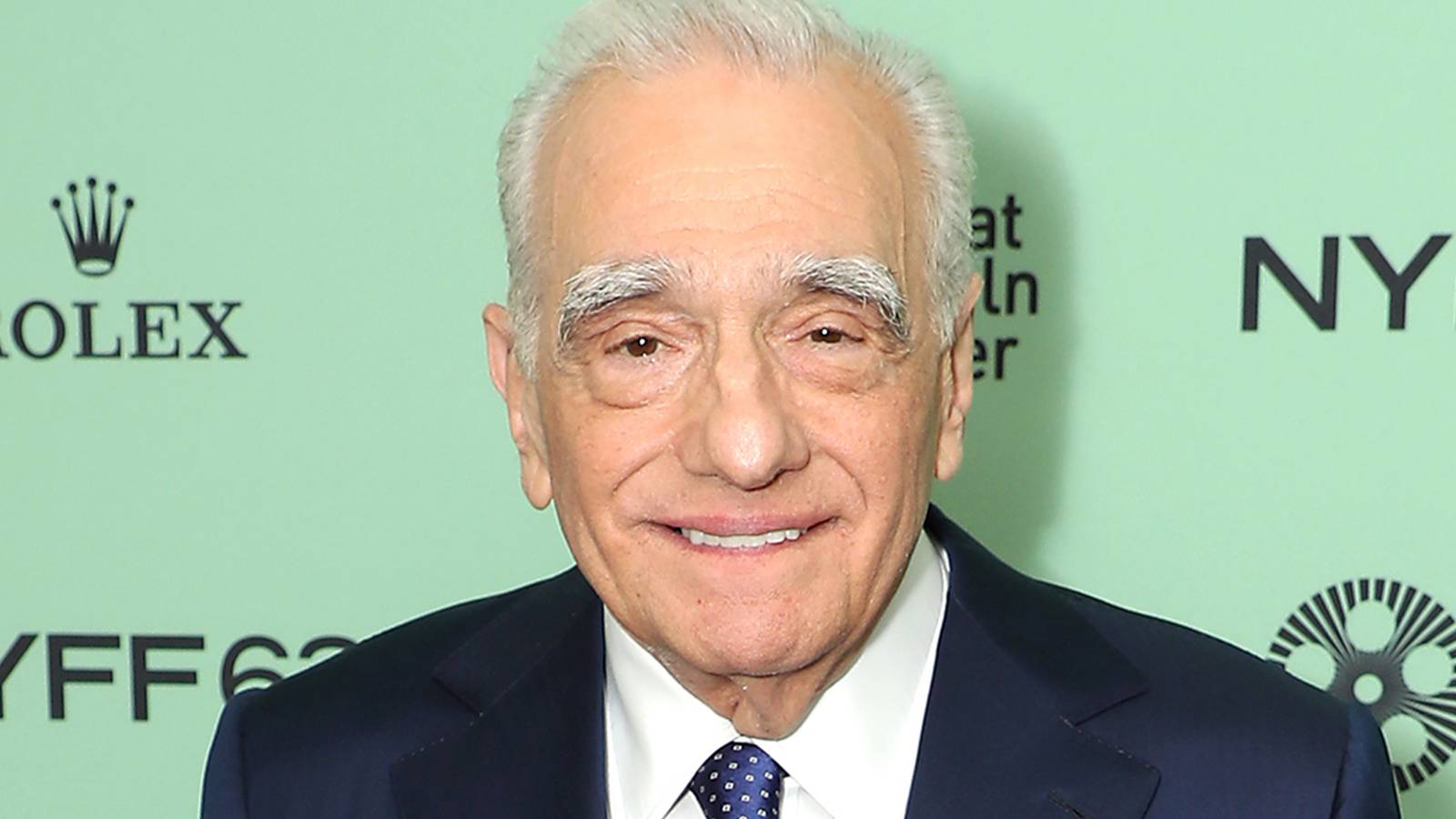
Despite having earned an Oscar nomination for his previous collaboration with Scorsese on Raging Bull, Joe Pesci was hesitant to sign on for Goodfellas. The actor, who grew up with firsthand knowledge of the world depicted in the film, wasn't initially interested. The project needed a compelling reason to change his mind. As Scorsese later revealed in the documentary series Mr. Scorsese, the director had to make a special pitch. "I asked Joe Pesci to be in the movie, and he didn’t want to be in it," Scorsese recalled. "But eventually he said, 'I'll be in it if you do this one scene with me.'"
Pesci then acted out a scenario for the director, drawn not from the script, but from his own past. Having been around organized crime figures in his youth, Pesci had once been on the receiving end of the same unnerving, circular interrogation he would later inflict on Ray Liotta's Henry Hill. Scorsese immediately recognized the power of the moment. "I said, 'That’s terrific,' because it actually happened to him," the director explained. "I knew exactly where to put it."
Building Tension Through Cinematic Craft
Scorsese's genius in filming the scene lay in what he chose not to do. He deliberately avoided close-ups. Instead, he kept the camera wide to capture the chilling shift in the room's atmosphere. "You need to see the people around them—their body language change, and their eyes become more alarmed," Scorsese noted. This directorial choice magnifies the terror. The audience witnesses not just DeVito's rage and Hill's fear, but the discomfort spreading through hardened criminals like Jimmy Conway (Robert De Niro). If these men are uneasy, the viewer understands the true danger.
The scene serves as a masterclass in character establishment. Early in the film, it completely dismantles any sense of safety. Tommy DeVito transforms in seconds from the gregarious, storytelling life of the party into a capricious and terrifying figure capable of violence at any provocation. It’s a pivot that forever defines the rules of the film's world.
Pesci's Personal Connection to the Darkness
Scorsese has suggested that Pesci's reluctance to engage in Hollywood publicity stems from this very background. "He was marked much more than me in that world, hanging around with the Mafia guys," Scorsese explained, hinting at experiences that gave the actor an authentic, and perhaps burdensome, understanding of his character's psyche. This personal history fueled a performance that felt dangerously real.
In a later interview, Bob Costas learned just how seriously Pesci took the scene's intent. When Costas jestingly referred to the character as "amusing," Pesci shut it down. "Ask Ray Liotta, when he was sitting in that chair, if that guy was amusing," Pesci retorted. "And you know why people laughed? It was nervous laughter. That was not amusing." For Pesci, the scene was a stark portrayal of menace, not comedy.
A Legacy Cemented in Film History
The impact of that single, improvised pitch from Pesci cannot be overstated. It provided the film with its most quoted sequence and gifted Pesci with the role that would win him the Academy Award for Best Supporting Actor. It stands as a perfect example of how personal experience, when channeled through visionary direction, can create something timeless. The scene's influence echoes in countless tense thriller moments that followed, where charm curdles into threat.
Goodfellas remains a cornerstone of the crime genre, often cited alongside modern classics like Netflix's groundbreaking series. Yet, its most iconic moment owes its existence to an actor's memory and a director's willingness to listen. It’s a stark reminder that some of cinema's greatest thrills are born not just from scripted fiction, but from the raw, uncomfortable truths of real life.