Some television shows simply entertain, while others define an era. When HBO premiered True Detective in 2014, it didn't just present another crime drama—it launched what would become one of the medium's most influential and enduring detective franchises. The series arrived as a revelation, blending deep philosophical inquiry with a gripping, atmospheric mystery that left viewers utterly spellbound.
The Unforgettable Beginning
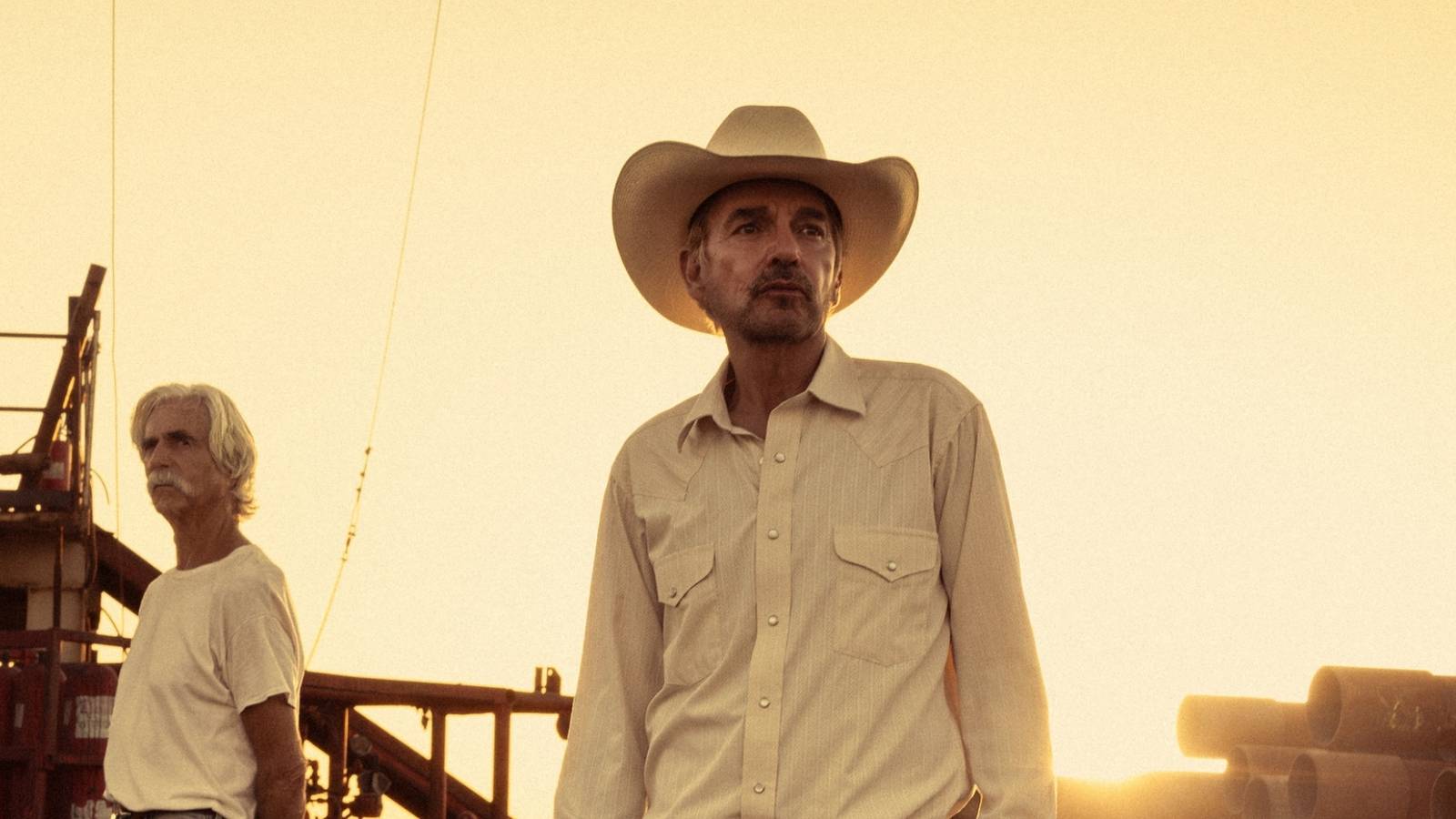
Set against the haunting backdrop of rural Louisiana, the inaugural season paired Matthew McConaughey and Woody Harrelson as detectives Rust Cohle and Marty Hart. Their dynamic—a partnership of starkly contrasting worldviews—became the show's pulsating heart. The narrative unfolded across two timelines, weaving a complex tale of a ritualistic murder investigation in the 1990s with present-day interrogations that cast doubt on everything viewers thought they knew. This structure, combined with Nic Pizzolatto's dense writing and Cary Fukunaga's cinematic direction, created an eight-episode experience that felt less like television and more like a profound, unsettling novel come to life.
The impact was immediate and seismic. True Detective Season 1 earned a stellar 91% on Rotten Tomatoes and became a cultural touchstone, sparking endless debates about its themes, symbolism, and the iconic performances of its leads. It proved that a detective story could be about far more than just solving a case; it could be a vehicle for exploring time, memory, belief, and the nature of evil itself. This success didn't just end with one story—it established a powerful brand and a new template for prestige crime television.
The Anthology Evolution
Rather than attempting to directly continue the story of Rust and Marty, HBO wisely chose to reinvent True Detective as an anthology series. This allowed each new chapter to tell a complete, self-contained story while exploring different facets of the detective genre under the same thematic umbrella. While Season 2 faced criticism for its sprawling plot, the series found its footing again with Season 3, led by the magnetic Mahershala Ali. His performance as Detective Wayne Hays, grappling with a decades-old missing persons case and his own fading memory, powerfully echoed the first season's strengths of character-driven mystery.
The franchise's ability to reinvent itself was proven again with True Detective: Night Country. Starring Jodie Foster and set in the perpetual night of an Alaskan winter, this season introduced the series' first female lead and tackled socially relevant issues, including the mistreatment of Indigenous communities. It demonstrated that the core True Detective formula—a brooding atmosphere, detectives haunted by personal demons, and a mystery that challenges perception—could successfully be transplanted into new environments with fresh perspectives.
A Lasting Television Legacy
The influence of HBO's flagship crime series extends far beyond its own episodes. It helped pave the way for a new wave of gritty, character-focused detective shows that prioritize mood and psychology alongside plot. You can see its DNA in acclaimed series like Mare of Easttown and other modern noir narratives that delve into the fractured souls of their investigators.
What makes True Detective the best crime franchise isn't just its stellar debut, but its resilient structure. The anthology format protects the sanctity of its masterful first season while providing a sandbox for new creators to explore. It has created a trusted brand where audiences know to expect a certain caliber of acting, a deeply atmospheric setting, and a mystery that operates on both an intellectual and visceral level. For fans seeking more flawless detective storytelling, our list of The 10 Best Detective Shows That Are Almost Flawless, Ranked is essential viewing.
From its philosophical roots in the Louisiana bayou to the frozen mysteries of Alaska, True Detective has consistently delivered television that challenges and mesmerizes. It stands as a testament to the power of a simple, brilliant idea: give masterful actors a profound script, wrap it in an unforgettable atmosphere, and let the mystery unfold. While not every season has reached the dizzying heights of the first, the franchise's willingness to evolve ensures its place as a cornerstone of modern crime storytelling, much like other genre-defining works such as HBO's 'The Penguin'. It remains the high-water mark against which all other detective anthologies are measured.