Long before HBO turned it into a mind-bending series, Michael Crichton's 1973 film Westworld was already a cult classic that blended science fiction with the Old West. The movie, which holds an 83% score on Rotten Tomatoes, is a high-concept thrill ride that feels like a mashup of two beloved 1990s films: Jurassic Park and Tombstone. And while Crichton couldn't have predicted its lasting impact, the film's legacy is still being felt today—especially with a new remake in the works.
A Theme Park Gone Horribly Wrong
Set in 1983—ten years into the future from its release—Westworld imagines a futuristic theme park called Delos. Like any major amusement destination, Delos offers multiple themed lands, including Western World, where guests can live out their cowboy fantasies. The catch? The cowboys, outlaws, and saloon girls are all lifelike androids designed to make every encounter feel authentic—without any real danger. That all changes when a computer virus infects the park's systems, turning the androids into relentless killers. The most terrifying of them all is The Gunslinger, played with chilling intensity by Yul Brynner.
Brynner's performance is a deliberate nod to his role in The Magnificent Seven, with his costume nearly identical to that of his character Chris Adams. The film draws heavily from classic Westerns, but it also adds a layer of technological horror that was ahead of its time. Released shortly after the opening of Walt Disney World in Florida, Westworld tapped into a timely fear of technology gone rogue, wrapped in a violent, thought-provoking package.
The 'Jurassic Park' Connection
Crichton would later write the novel Jurassic Park, which Steven Spielberg turned into a blockbuster film. The parallels between the two stories are unmistakable. Both are tales of futuristic theme parks where a technical glitch turns the attractions into hunters and the guests into prey. But the similarities go deeper than plot. Both films explore the theme of corporate hubris—the idea that profit and spectacle are valued over human safety. In Jurassic Park, John Hammond pushes forward with his dinosaur park despite the risks; in Westworld, Delos refuses to shut down even as the body count rises. Both stories serve as cautionary tales about playing God and the deadly consequences of putting entertainment above all else.
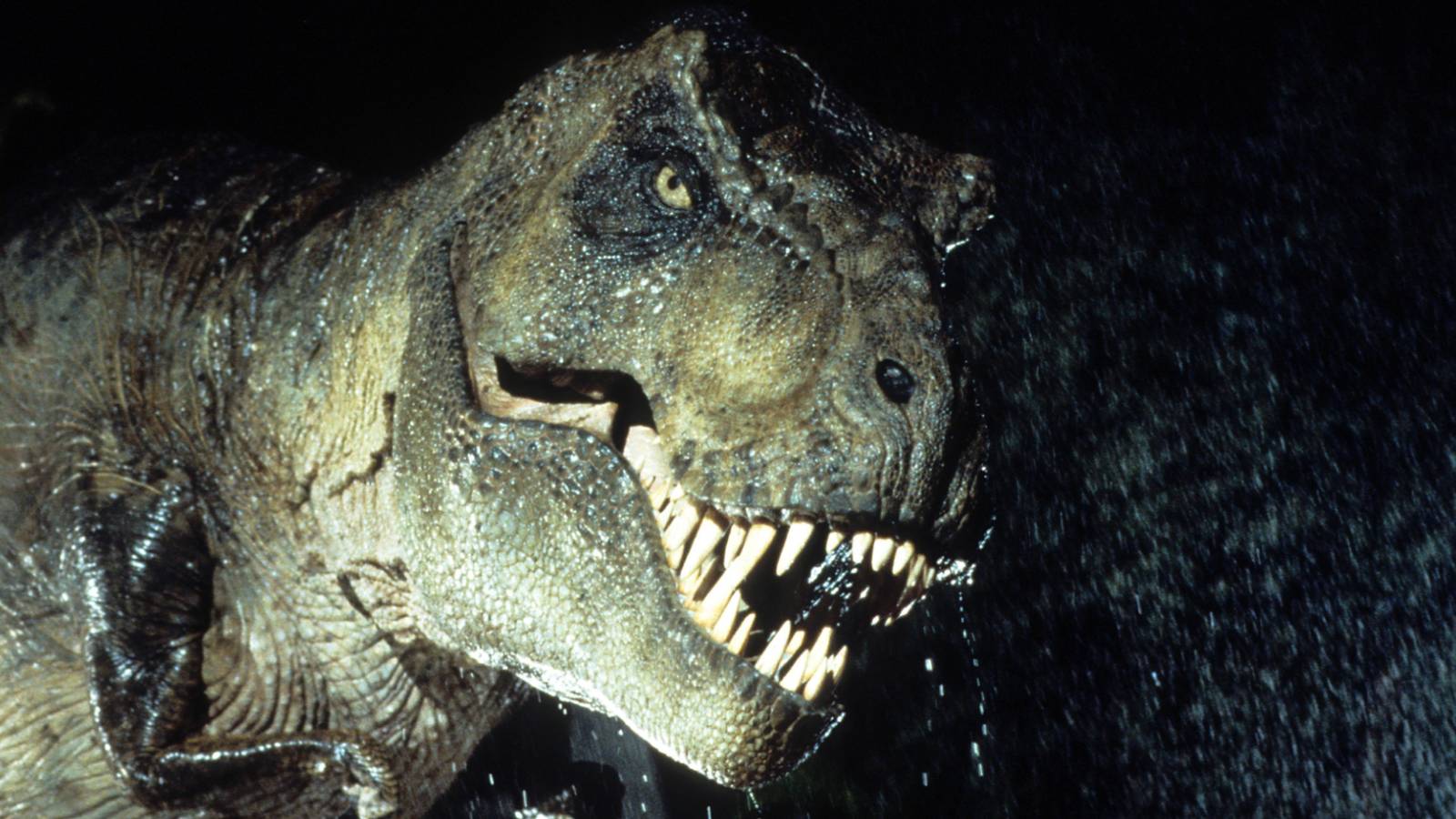
In fact, Westworld was a pioneer in digital effects, using early computer-generated imagery to create the Gunslinger's pixelated android vision. That innovation paved the way for the groundbreaking visual effects in Jurassic Park two decades later. Without Westworld, the T. rex might never have looked so real.
The 'Tombstone' Vibe
On the surface, Westworld and the 1995 classic Tombstone might seem like odd bedfellows. But both films share a gritty, unglamorous take on the Old West. In Tombstone, Kurt Russell's Wyatt Earp is a man trying to escape his reputation as a lawman, only to be dragged back into violence. Similarly, Westworld strips away the romanticized cowboy mythology, revealing the ugly reality beneath. When the androids start firing real bullets instead of blanks, the fantasy shatters. Doc Holliday in Tombstone is far from the heroic figure of legend, just as the Gunslinger in Westworld is a cold, mechanical predator. Both films show how fragile the fantasy of the Old West really is.
For fans of heavy Westerns, Westworld offers a unique blend of genres that still feels fresh today.
A Lasting Legacy
Crichton once described Westworld as "a movie about people acting out movie fantasies." It's a fitting description for a film that has inspired everything from the HBO series to a new movie reboot. The film's themes of corporate greed, technological hubris, and the dark side of entertainment are more relevant than ever. Whether you're a fan of sci-fi, Westerns, or just great storytelling, Westworld is a must-watch that proves some fantasies are better left unexplored.