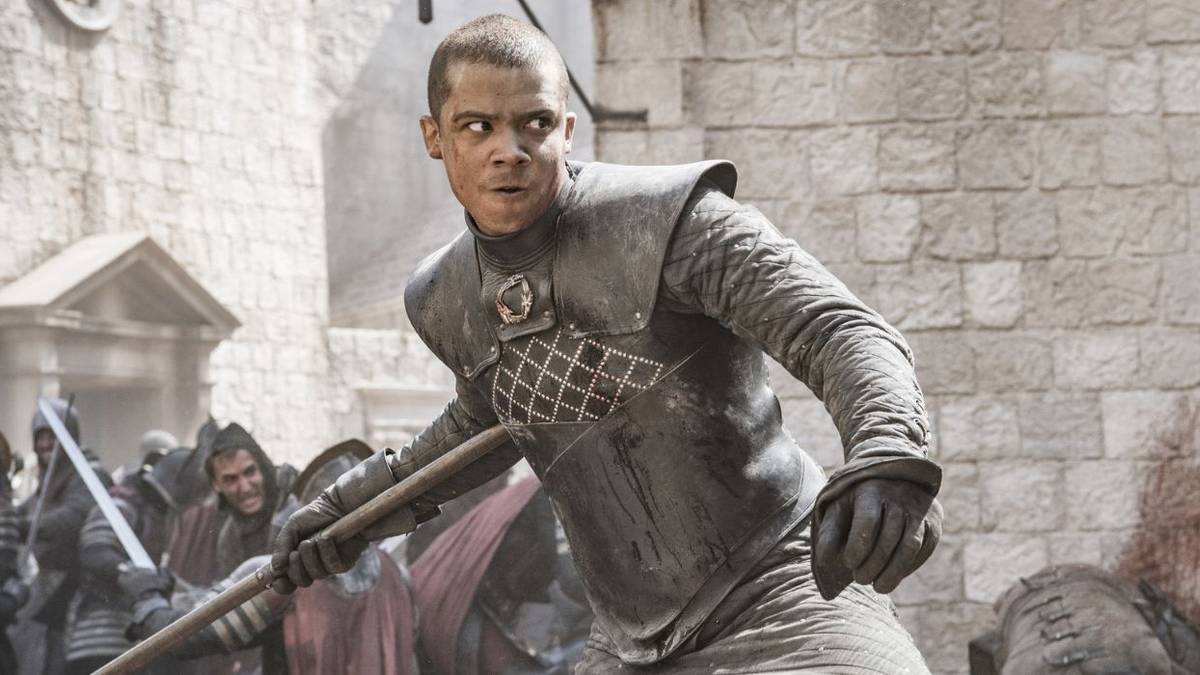
Fifteen years after its premiere, Game of Thrones still casts a long shadow over the fantasy genre. While newer series like The Lord of the Rings: The Rings of Power and The Witcher have tried to capture that same magic, they all owe a debt to HBO's groundbreaking epic. It wasn't just a hit—it was a cultural phenomenon that proved fantasy could be prestige television.
Before Game of Thrones, fantasy on TV often meant campy adventures or family-friendly quests. This show changed everything by bringing cinematic scale, graphic violence, and morally gray characters to the small screen. It wasn't afraid to kill off fan favorites or let villains win, and audiences couldn't get enough. The series turned Sunday nights into must-watch events, sparking endless water-cooler debates and online theories.
Complex Characters and Unforgettable Twists
What set Game of Thrones apart was its refusal to play by traditional rules. Instead of centering on a single hero, it juggled dozens of characters across Westeros and beyond. Daenerys, Jon Snow, Tyrion, and Cersei all had their own arcs, and viewers could love two characters working against each other. This layered storytelling added depth rarely seen in the genre.
The show also became famous for its shocking moments. Ned Stark's execution in Season 1 and the Red Wedding in Season 3 left audiences stunned and proved that no one was safe. These twists weren't just for shock value—they reinforced the show's ruthless, unpredictable world. Even today, few series have matched that level of tension and surprise.
Pushing Boundaries in Visuals and Violence
Beyond its narrative risks, Game of Thrones raised the bar for production value. Each season felt like a blockbuster movie, with sprawling on-location shoots, massive battle sequences, and groundbreaking special effects. The Battle of the Bastards and the destruction of the Great Sept remain benchmarks for TV action.
HBO's willingness to push boundaries also meant unprecedented violence and gore. This wasn't gratuitous—it heightened the stakes and made every confrontation feel real. The show's influence is everywhere now, from House of the Dragon and A Knight of the Seven Kingdoms to streaming hits like The Witcher and The Wheel of Time. Even fantasy franchises that keep getting better owe a nod to its legacy.
While its final season remains controversial, Game of Thrones changed the landscape of television. It proved that fantasy could be taken seriously, attract massive audiences, and win Emmys. For fans of the genre, it's still the gold standard—a reminder of why we love dragons, politics, and the thrill of the unknown.