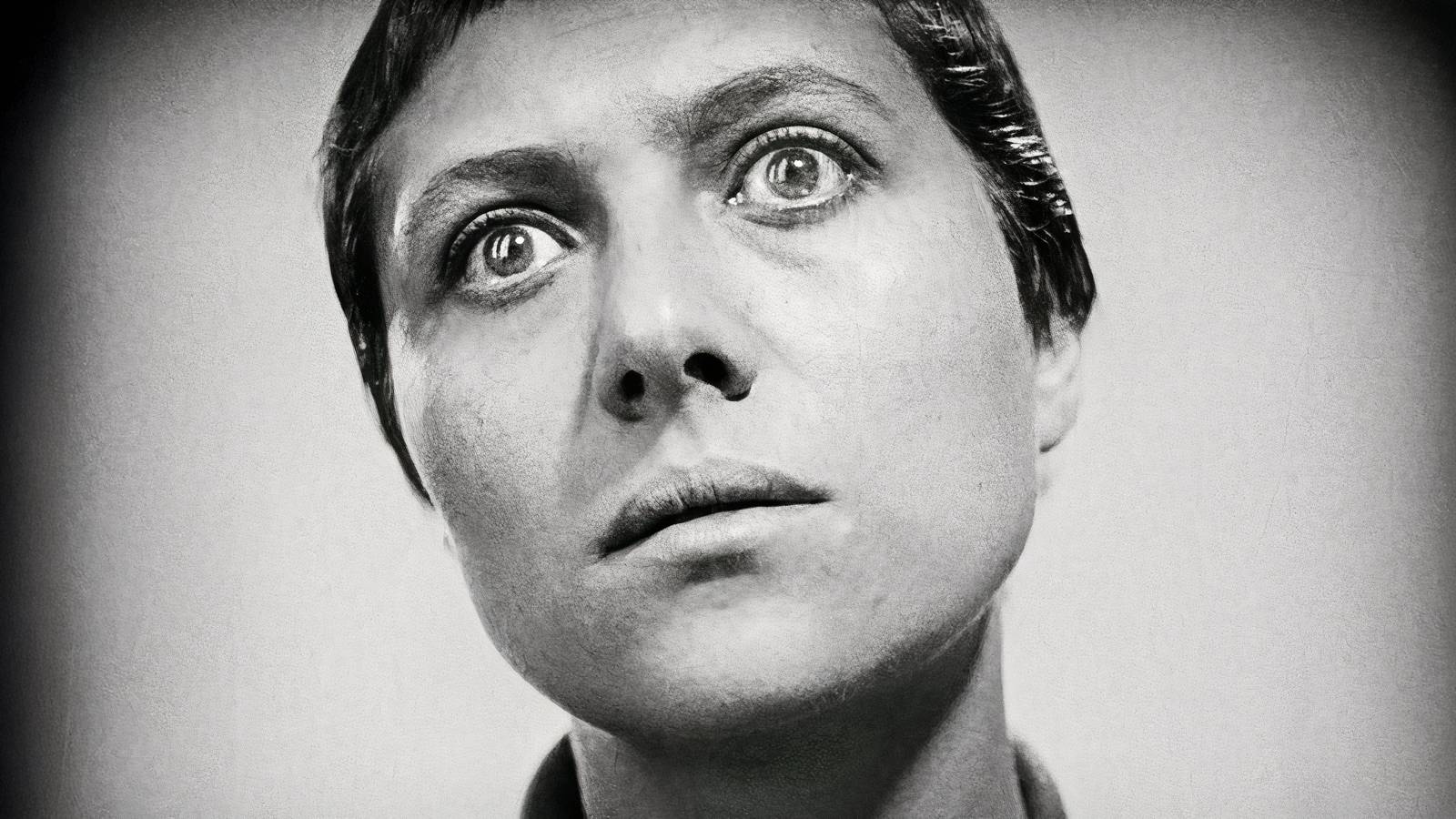
There's something magical about silent films. Without spoken dialogue, actors had to convey everything through exaggerated gestures and expressions, creating a raw emotional power that talkies often lack. It's heartbreaking that about 75% of silent-era films are lost forever, taking with them countless performances we'll never see. But one of the era's greatest—arguably one of the greatest of all time—was miraculously saved from oblivion in 1981 by a janitor emptying a closet in a Norwegian mental institution. That performance belongs to Renée Jeanne Falconetti, whose only major film role was the titular saint in Carl Theodor Dreyer's 1928 masterpiece, The Passion of Joan of Arc.
A Miracle Worthy of a Saint
It's not quite right to call The Passion of Joan of Arc a lost film—versions of it have existed since its premiere in Copenhagen on April 21, 1928. What was lost was Dreyer's original cut, and its rediscovery feels like a miracle befitting its subject. French production company Société Générale de Films had invited Dreyer to make a film in 1926, eventually settling on the story of Joan of Arc, who had only been canonized in 1920. But Dreyer was Danish, and French nationalists protested, delaying the French premiere. Then the archbishop of Paris demanded cuts, followed by government censors who trimmed even more. When the film finally hit Parisian theaters in October 1928, disaster struck: a fire at Berlin's Ufa studio on December 6 destroyed the original negative. Dreyer used outtakes to create a second version, but another fire at G.M. de Boulogne-Billancourt in 1929 burned that negative too.
In 1951, French film historian Joseph-Marie Lo Duca found a copy of Dreyer's second version. But instead of preserving it, he butchered it—replacing intertitles with subtitles and plastering text over stained-glass window images. For three decades, that abomination was all that remained. Then, in 1981, a janitor at Dikemark sykehus near Oslo discovered film canisters in a closet. They were sent to the Norwegian Film Institute, which identified one as the original cut of The Passion of Joan of Arc. New negatives were created, and in 2015, a fully restored Digital Cinema Package was scanned, allowing Dreyer's uncut vision to shine (per Janus Films).
Falconetti's Silently Brilliant Performance
The Passion of Joan of Arc chronicles the sham trial and execution of Joan of Arc, based on actual trial transcripts. Dreyer's pioneering close-ups forge an emotional connection, making history feel human rather than distant. His angles and framing are masterful—the judges often look up as they close in with accusations. But the film's acclaim rests on Falconetti's shoulders. At 35, she played 19-year-old Joan flawlessly. Her eyes tell everything: clear when speaking of faith, fiery against false accusations, sparkling with wit, and welling with tears when overwhelmed. It's the portrayal of a woman who knows her calling but betrays her age in moments of fear. When her hair is shaved off, she looks as horrified as any teen would—the last shreds of her humanity stripped away.
Falconetti mirrors the suffering Christ in portraits, enduring mockery with gut-wrenching dignity. But the best shot is a quick smirk as Joan sees her words land on the judges, who look as evil as they felt. That fleeting moment captures the fighting spirit that brought her to the trial. And thanks to that janitor's discovery, we can witness it nearly a century later. For more on silent-era brilliance, check out our list of 30 Years of Cinematic Perfection: The 10 Most Flawless Films Ranked and The Greatest Narrated Movies of All Time, Ranked. Also, explore 10 Biopics That Actually Deliver Great Cinema and Actors Who Mastered the Mask.