
After achieving global superstardom as one half of the iconic pop duo Wham!, George Michael faced a pivotal moment in his career. He was determined to step out from the shadow of hits like "Wake Me Up Before You Go-Go" and "Last Christmas" to forge a distinct artistic identity. The result was his 1987 solo debut, Faith, an album that would not only redefine his public image but also make an unexpected and historic impact on the music charts.
A Bold New Artistic Direction
Released in October 1987, Faith was George Michael's declaration of creative independence. He took near-total control, writing, producing, and arranging the material to craft a sound that was uniquely his own. The album was a masterful fusion of pop, rock, funk, and soul, moving far beyond the pure pop of his Wham! days. Tracks ranged from the gospel-inflected ballad "One More Try" to the provocative, funk-driven "I Want Your Sex," showcasing a depth and versatility that captivated listeners.
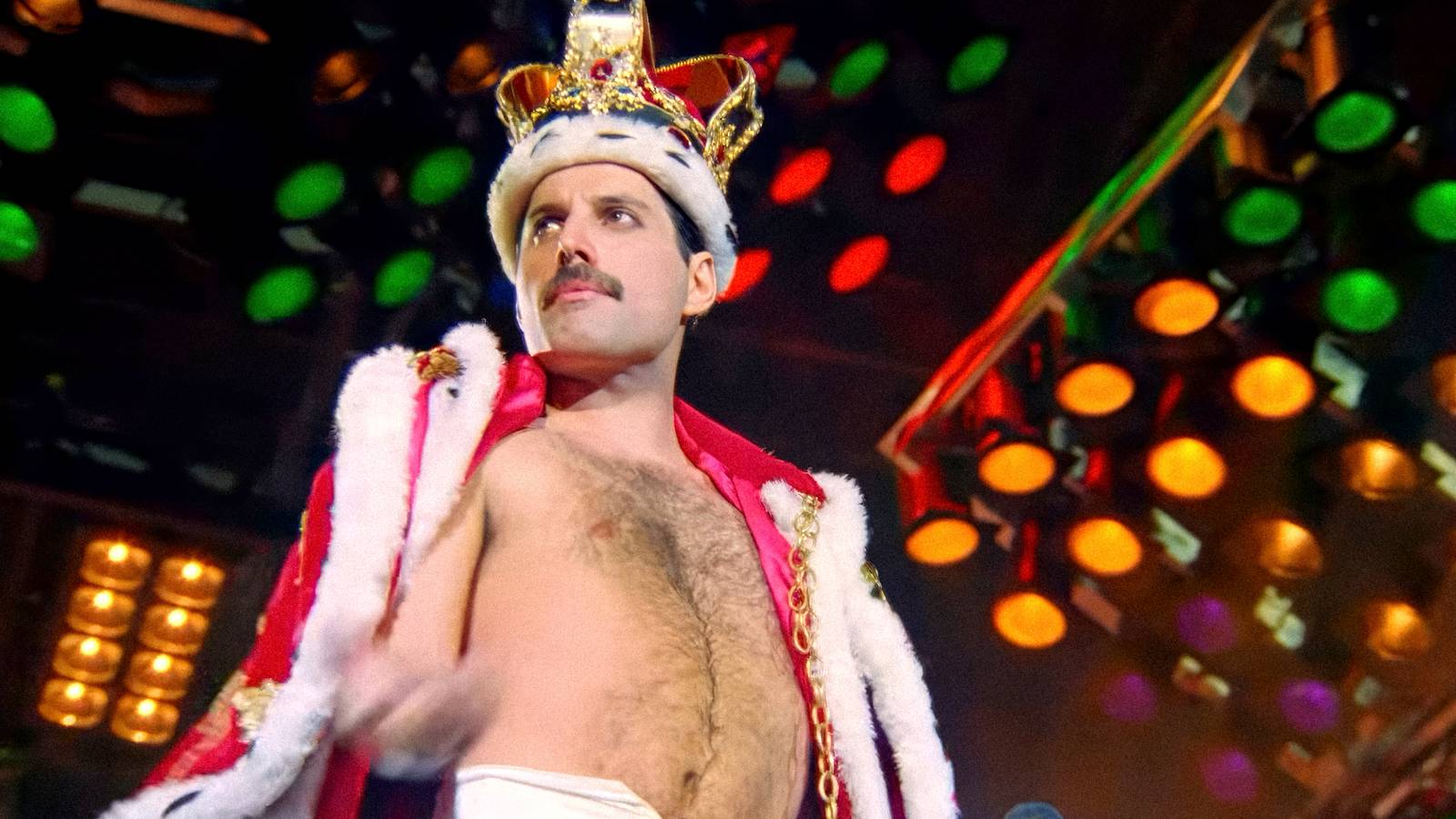
The commercial success was immediate and staggering. Faith generated six top-five singles on the Billboard Hot 100, with four—"Faith," "Father Figure," "One More Try," and "Monkey"—reaching the summit. It became the best-selling album of 1988 and later won the Grammy Award for Album of the Year. But its most groundbreaking achievement was yet to be fully recognized.
An Unprecedented Chart Conquest
In 1988, Faith accomplished something no one saw coming: it spent six weeks at number one on Billboard's Top Black Albums chart, now known as the Top R&B/Hip-Hop Albums chart. This made George Michael the first white male solo artist ever to top that ranking. The following year, he cemented this crossover by winning the American Music Award for Favorite Soul/R&B Male Artist, beating out giants of the genre like Michael Jackson and Bobby Brown.
This historic success sparked intense debate. Michael was vocal about his deep admiration for Black music, weaving soul and R&B influences into the fabric of Faith. While some critics accused him of cultural appropriation, arguing he was occupying a space meant for Black artists, many fans and music enthusiasts celebrated the album's authentic embrace of the genre. For them, Faith was a testament to music's power to transcend artificial boundaries, judged on its artistic merit and emotional resonance rather than the artist's background.
A Lasting Cultural Legacy
Beyond the controversy, Faith stands as a cultural reset. It demonstrated that great music could defy rigid genre and racial classifications, encouraging artists to explore beyond traditional lanes. The album's seamless blend of styles helped pave the way for greater creative freedom in the industry. Selling over 20 million copies worldwide, its legacy is undeniable.
George Michael's journey from pop pin-up to respected solo auteur who conquered the R&B charts remains one of music's most fascinating narratives. It reminds us that landmark albums like those that master storytelling or cultural phenomena like 'Fallout's' chart dominance often succeed by breaking rules and defying expectations. Faith did just that, proving that sometimes, the most powerful statements are made not by staying in a lane, but by building a new road altogether.