When an actor known for a certain kind of role suddenly flips the script, it can be electrifying. Playing against type isn't just about surprising audiences—it's about breaking free from typecasting and showing range. From comedians turning dark to sweethearts going villainous, these performances remind us why we love movies.
10. Ben Kingsley as Don Logan in 'Sexy Beast' (2000)
Before Sexy Beast, Ben Kingsley was synonymous with dignified, Oscar-winning portrayals of historical figures like Gandhi and Oskar Schindler. So when he exploded onto the screen as Don Logan—a vulgar, unhinged, and terrifyingly aggressive gangster—it was a shock to the system. Kingsley's performance is both hilarious and deeply unsettling, proving he could dominate any role, no matter how far from his comfort zone.
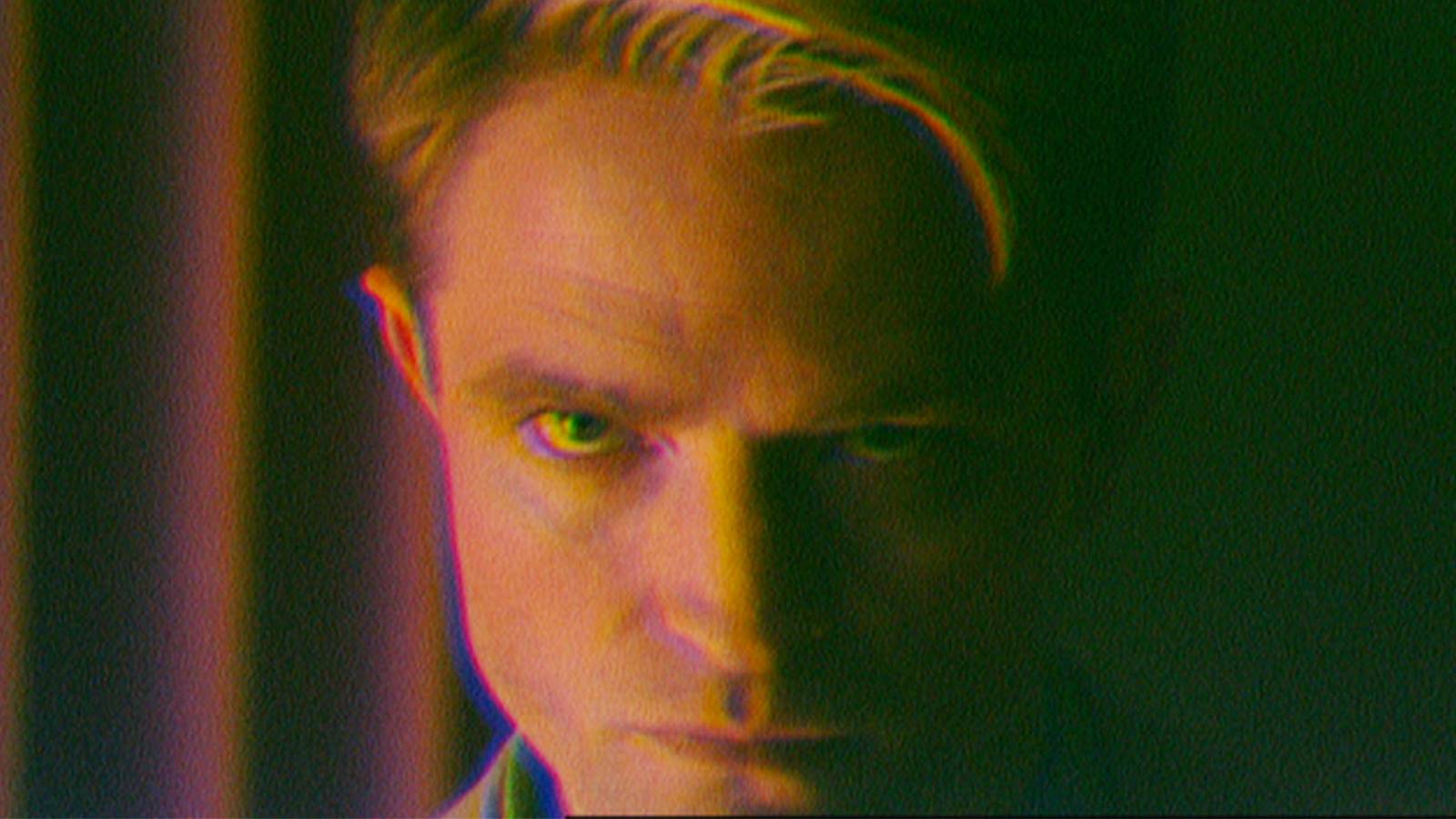
9. Robert De Niro as Louis Gara in 'Jackie Brown' (1997)
Robert De Niro had played intense, passionate characters for decades, but in Quentin Tarantino's Jackie Brown, he delivered something entirely different: a lethargic, pathetic loser. Louis Gara is a washed-up ex-con who can barely muster the energy to be dangerous—until he snaps. De Niro's portrayal of quiet desperation and sudden violence is a masterclass in subverting expectations.
8. Charlize Theron as Aileen Wuornos in 'Monster' (2003)
Before Monster, Charlize Theron was known for glamorous roles in films like The Devil's Advocate and Sweet November. To play real-life serial killer Aileen Wuornos, she underwent a stunning physical transformation and delivered a raw, heartbreaking performance that earned her an Oscar. It remains one of the most dramatic departures from type in cinema history.
7. Frank Sinatra as John Baron in 'Suddenly' (1954)
Frank Sinatra was the king of cool, known for musicals and charming dramas. But in Suddenly, he played a cold-blooded assassin planning to kill the President. This dark, tense thriller showcased a side of Sinatra few had seen, and it remains a fascinating glimpse of his dramatic range years before The Manchurian Candidate.
6. Jim Carrey as Truman Burbank in 'The Truman Show' (1998)
Jim Carrey was the king of over-the-top comedy in the 1990s, but The Truman Show revealed a dramatic depth few knew he had. As Truman, a man unknowingly living in a reality TV show, Carrey balanced humor with genuine pathos. His journey from cheerful naivety to tearful rebellion is one of the most moving performances of the decade.
5. Tom Hanks as Andrew Beckett in 'Philadelphia' (1993)
Tom Hanks was America's sweetheart after Big and Sleepless in Seattle, so his role as a gay lawyer dying of AIDS in Philadelphia was a bold departure. Hanks brought dignity and vulnerability to the role, winning his first Oscar and proving he could tackle serious, socially conscious material with grace.
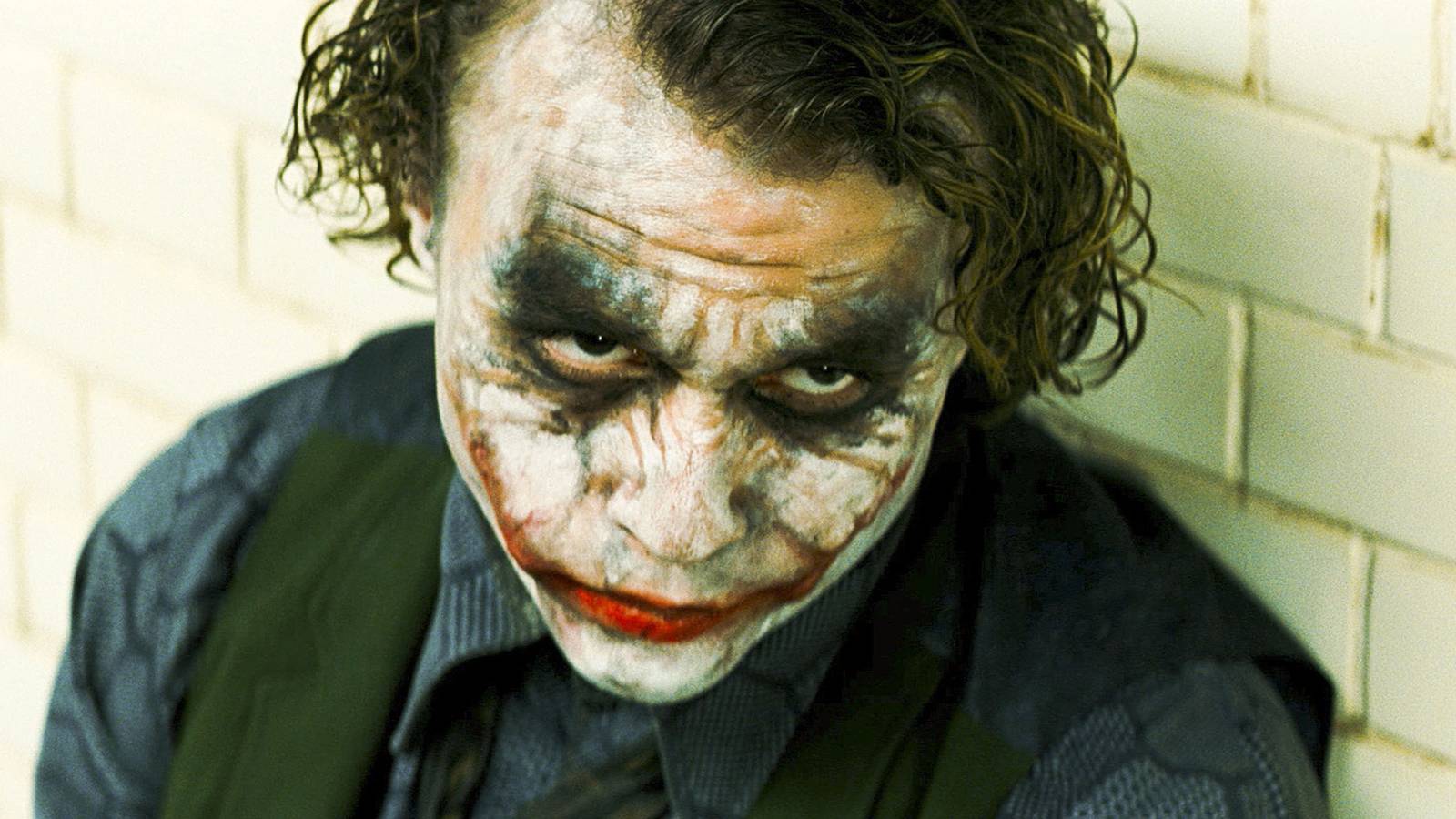
4. Heath Ledger as The Joker in 'The Dark Knight' (2008)
Heath Ledger was best known for romantic leads in 10 Things I Hate About You and Brokeback Mountain, so his casting as the Joker in The Dark Knight raised eyebrows. His performance—chaotic, menacing, and utterly unpredictable—became legendary, earning him a posthumous Oscar and redefining the superhero genre.
3. Patrick Stewart as Darcy in 'Green Room' (2015)
Patrick Stewart is beloved as the noble Captain Picard and Professor X, so his turn as a neo-Nazi gang leader in Green Room was chilling. Stewart's calm, intellectual menace made Darcy one of the most terrifying villains of the 2010s, proving that even the most gentle-seeming actor can embody pure evil.
2. Robin Williams as Sy in 'One Hour Photo' (2002)
Robin Williams was the ultimate funnyman, but in One Hour Photo, he played a lonely, obsessive photo lab technician with a dark side. Williams shed his manic energy for a quiet, unsettling performance that earned critical acclaim. It's a haunting reminder that even the brightest stars can play the darkest roles.
1. John Travolta as Vincent Vega in 'Pulp Fiction' (1994)
By the early '90s, John Travolta's career was in a slump, defined by Welcome Back, Kotter and lightweight comedies. Then Quentin Tarantino cast him as the cool, philosophical hitman Vincent Vega in Pulp Fiction. Travolta's comeback was a masterstroke of playing against type, and it revitalized his career while delivering one of cinema's most iconic characters.
These performances remind us that the best actors are willing to take risks. Whether it's a comedian going dark or a dramatic actor embracing absurdity, playing against type can produce movie magic that lasts forever.