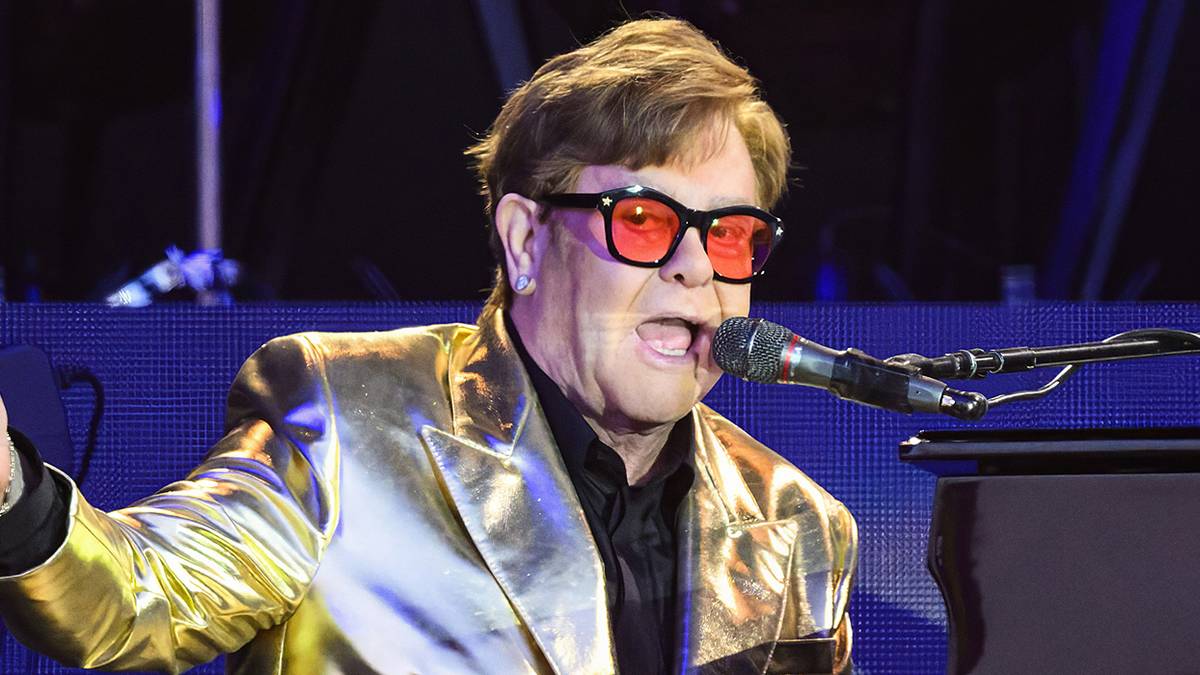
In the pantheon of rock legends, few figures shine as brightly—or as flamboyantly—as Elton John. With a career spanning over five decades, the piano virtuoso has delivered countless hits, but none have carried the emotional weight or historical significance of "Candle in the Wind." What began as a poignant reflection on Hollywood tragedy evolved into a global anthem of mourning, ultimately becoming the best-selling physical single of all time.
The Birth of a Ballad: Marilyn Monroe's Inspiration
Released in 1973 on the iconic album Goodbye Yellow Brick Road, the original "Candle in the Wind" was a departure from the album's more exuberant tracks like "Bennie and the Jets" and "Saturday Night's Alright for Fighting." With its gentle piano melody and introspective lyrics, the song served as a heartfelt letter to Norma Jeane—the real name of Marilyn Monroe—who had died by suicide 11 years earlier. Bernie Taupin, John's longtime lyricist, later revealed that the song wasn't specifically about Monroe; it could have been about any young icon lost too soon, like James Dean or Kurt Cobain. "It's a beauty frozen in time," Taupin explained.
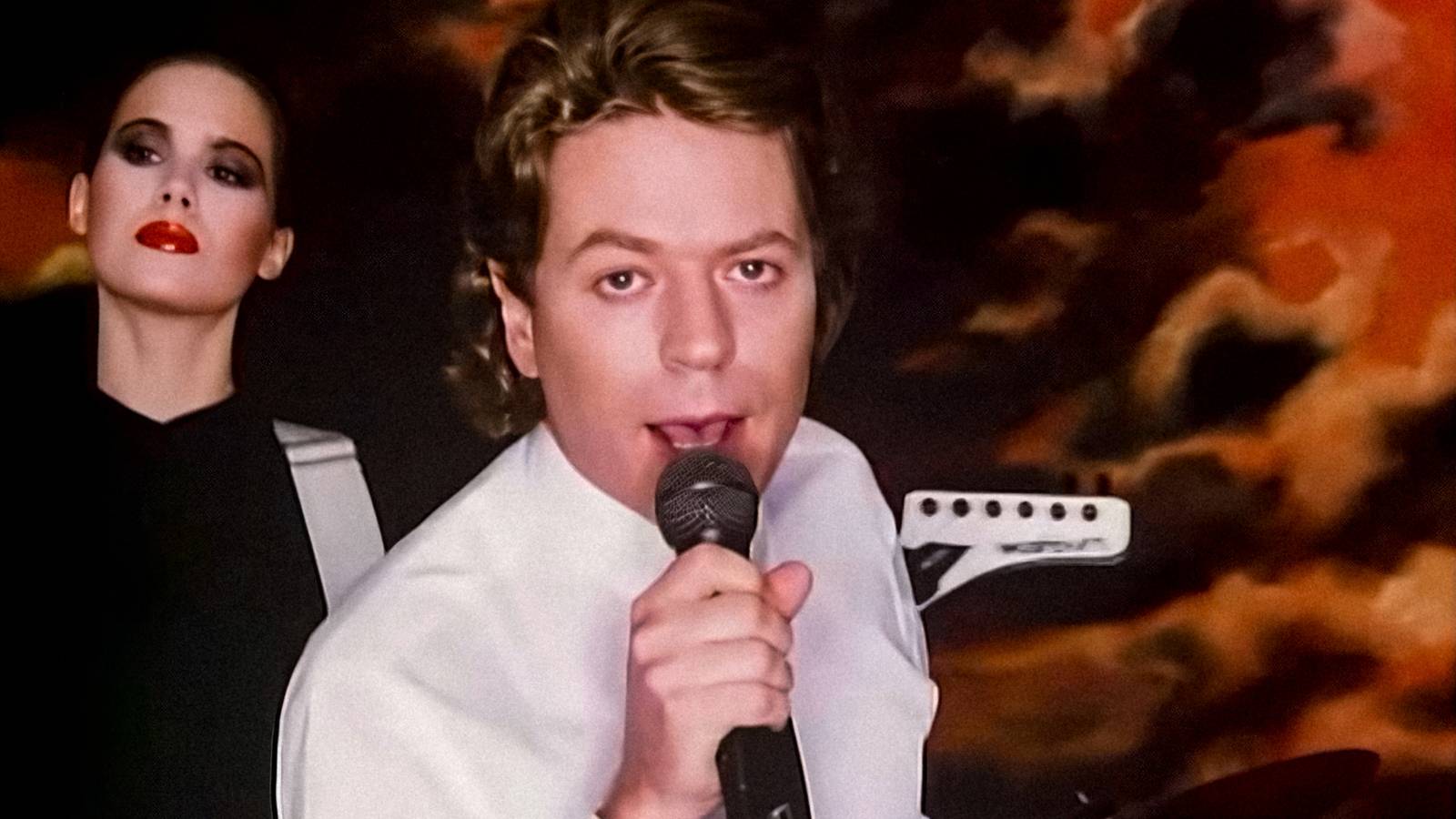
The original version painted Monroe as a misunderstood soul, trapped by fame and exploited by the press. Despite peaking at No. 11 on the UK Singles Chart, it remained a fan favorite and a hidden gem on the album.
A New Purpose: Princess Diana's Tribute
In 1997, tragedy struck again when Princess Diana died in a car crash in Paris. Known as the "People's Princess," her death sent shockwaves around the world. Elton John, a close friend of Diana, was asked to perform at her funeral. He re-recorded "Candle in the Wind" with new lyrics, now subtitled "Goodbye England's Rose," transforming it into a tribute to Diana's compassion and grace. The performance at Westminster Abbey was a tearful moment that united a grieving nation.
The rewritten version became an instant phenomenon. Released as a single, "Candle in the Wind 1997" sold over 33 million copies worldwide, earning a place in the Guinness Book of Records as the second best-selling physical single of all time—behind only Bing Crosby's "White Christmas." Its success was unprecedented, but John has since refused to perform the tribute version live out of respect for Diana's memory. He once said, "The only way I'll ever sing it again is if the children [Princes William and Harry] ask me."
A Legacy of Grief and Grace
For years, John avoided playing even the original Monroe version, as the grief associated with Diana's death was too overwhelming. Eventually, he returned to performing the 1973 version, but the 1997 tribute remains a sacred piece of music history. The song's journey—from a lament for a Hollywood starlet to a national elegy—cements its place as one of the most emotionally resonant singles ever recorded.
For fans looking to explore more iconic moments in entertainment, check out how a $170M superhero flop became a streaming sensation or discover forgotten sci-fi gems that deserve a second look.