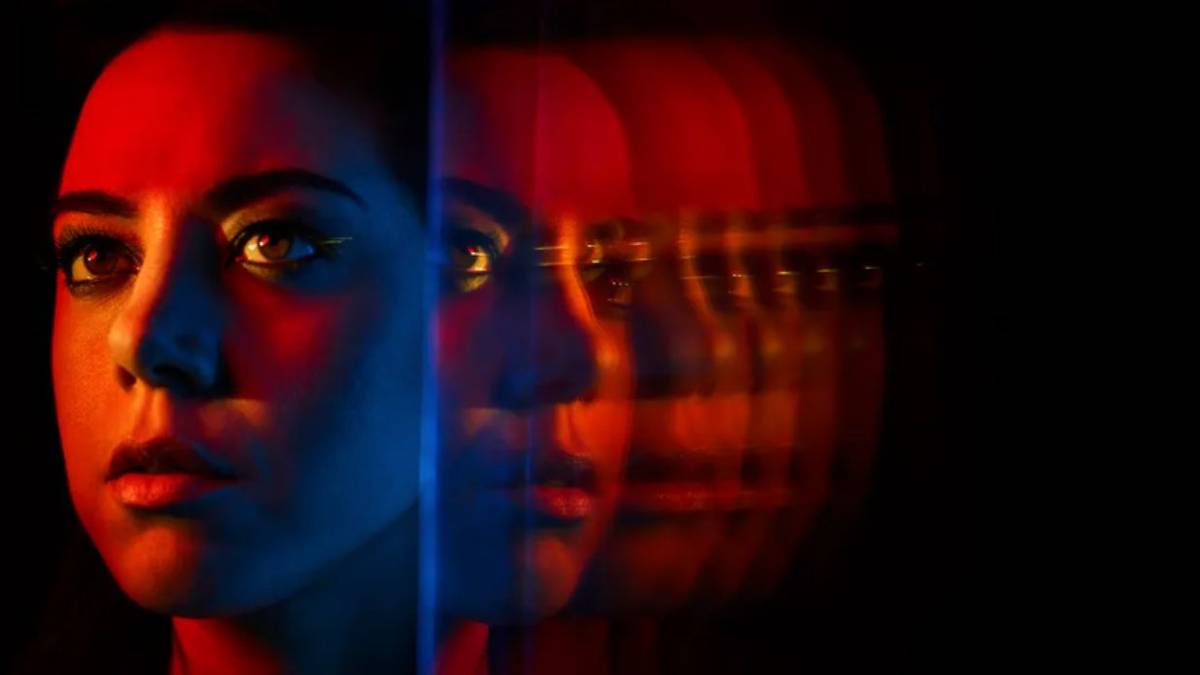
Superhero fatigue is real. With endless connected universes and required viewing homework, even the most dedicated fans can feel burned out. But in 2017, FX's Legion arrived like a bolt of lightning, proving that the genre could still surprise, thrill, and move audiences without relying on crossover events or decades of lore. This three-season marvel didn't just stand out—it saved an entire genre from creative stagnation.
A Psychedelic Origin Story Like No Other
Created by Noah Hawley, the mastermind behind Fargo, Legion takes a wildly original approach to the superhero origin story. Dan Stevens stars as David Haller, a man who has spent most of his life in psychiatric institutions, diagnosed with schizophrenia. But the voices he hears aren't hallucinations—they're the result of his immense mutant powers, which he's never learned to control. The show dives headfirst into David's fractured mind, using surreal visuals, dark comedy, and even dance sequences to depict his reality-bending abilities.
While the broad strokes may feel familiar—a misfit team of mutants, a battle against the sinister Shadow King—the journey is anything but. Legion refuses to spoon-feed exposition. Instead, it lets viewers piece together David's past through fragmented flashbacks and mind-bending twists, mirroring his own confusion. It's a bold storytelling choice that rewards attention and patience.
More Than Just Superpowers
What truly sets Legion apart is its nuanced exploration of mental health. David's struggles aren't just a plot device; they're central to his character. The show treats his condition with empathy, showing how his powers and his illness are intertwined. It's a rare superhero series that understands that extraordinary abilities can feel like both a gift and a curse.
The stakes are refreshingly personal. Instead of saving the world, David and his fellow outcasts fight for dignity and a place to belong. This grounded focus leads to thought-provoking discussions about integration, assimilation, and personal freedom. Nearly every character has a genuine motivation, making the line between hero and villain deliciously blurry. And when the show gets brutal—and it does—those moments carry real weight.
A Visual and Narrative Feast
Legion is a feast for the senses. Its impressionistic style borrows from music videos and avant-garde cinema, but it never feels like empty style over substance. The show is self-aware, using humor to cut through the weirdness. It's a superhero series that isn't afraid to be funny, strange, and deeply human.
Each season has its own flavor. Season 2 delves into darker, more uncomfortable territory, while Season 3 takes a surprisingly sentimental turn, exploring resolution without annihilation. The series ends on its own terms, with a finale that answers all the big questions without relying on outside material. It's a complete, satisfying story—something increasingly rare in the age of endless franchises.
Why Legion Matters
For those suffering from superhero fatigue, Legion is the perfect antidote. It's a contained, personal story that doesn't require a PhD in comic book lore. Even non-readers can enjoy the clever references to X-Men storylines without feeling left out. The show proves that superhero stories can be innovative, emotionally resonant, and visually stunning without being part of a massive shared universe.
In a landscape crowded with capes and cowboys, Legion stands as a testament to what happens when a visionary creator is given the freedom to experiment. It didn't just save the genre—it redefined what the genre could be. If you haven't watched it yet, now is the perfect time to dive into this near-perfect series.