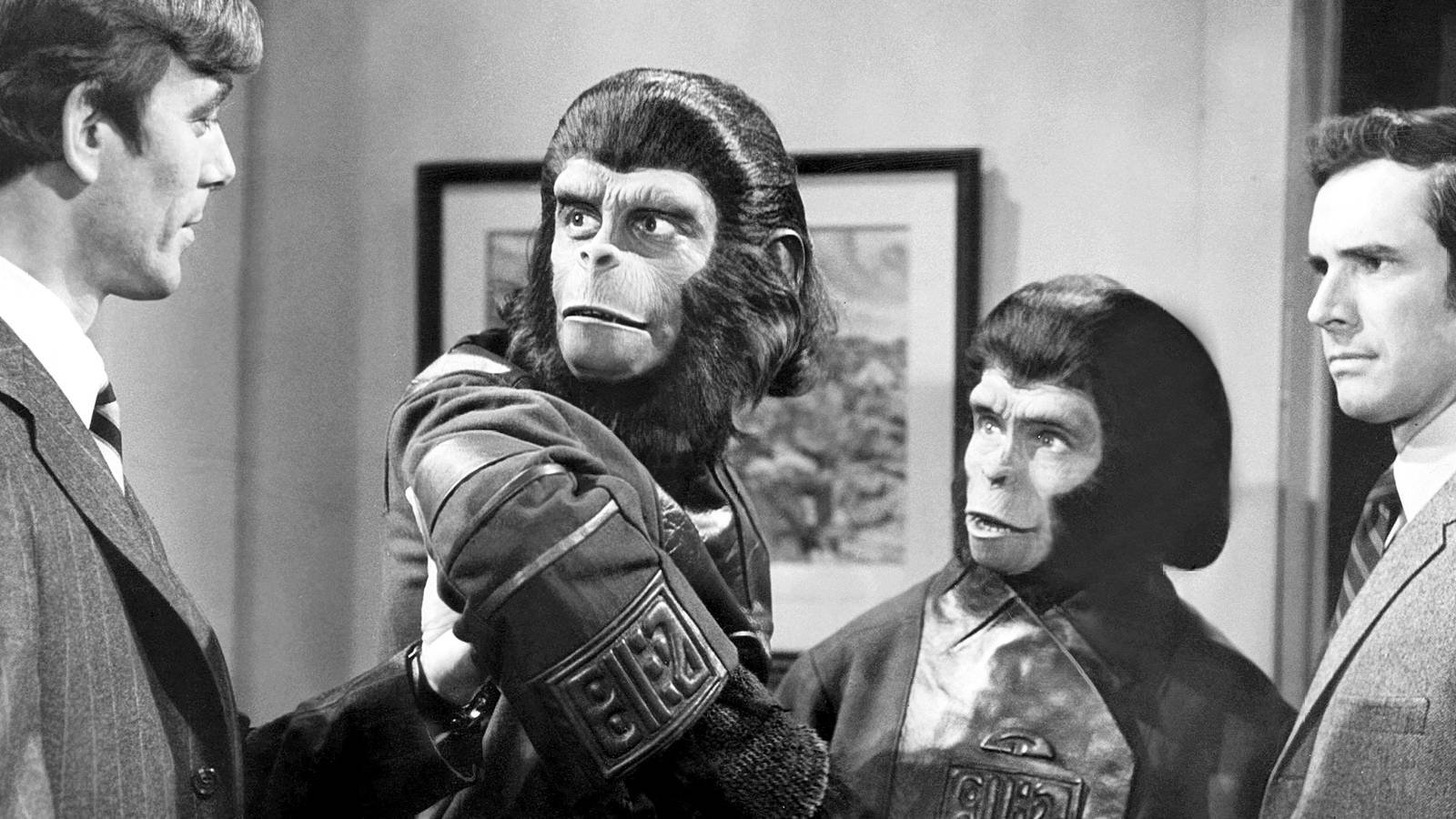
When you think of the Planet of the Apes franchise, you probably recall the shocking Statue of Liberty reveal or the thrilling ape rebellion. But 55 years ago, the series took a daring detour into time travel with Escape From the Planet of the Apes, a film that combined a high-concept sci-fi premise with an unexpectedly tender love story. This third installment flipped the original's script, sending the ape couple Cornelius and Zira back to 1973 Earth—and into a world that feared and hated them.
A Time Travel Twist That Actually Works
Time travel is notoriously tricky in movies, often bogged down by paradoxes and exposition. Escape From the Planet of the Apes sidesteps those pitfalls by grounding its journey in the franchise's established lore. Cornelius (Roddy McDowell) and Zira (Kim Hunter) use Taylor's spaceship—the same one that carried Charlton Heston's astronaut to a future ruled by apes—to travel back to the very era when humanity was launching its exploratory missions. This clever setup creates immediate tension: the humans of 1973 are desperate for answers about the future, but they're horrified by what Cornelius and Zira reveal.
Inverting the Original's Premise
Where the 1968 original showed apes as the dominant species, Escape puts the apes in the role of the oppressed. Cornelius and Zira arrive hoping to forge a peaceful treaty, having learned from Taylor that humans are intelligent and capable of change. Instead, they encounter scientists who can't see past their own fear of being displaced. The apes are confined, studied, and mistreated—a mirror of how animals are treated in captivity and a stark commentary on the cycle of oppression. As the film makes clear, trying to crush a rebellion only fuels it.
This political edge makes Escape one of the most charged entries in the franchise. The silencing of peace-seeking voices echoes the backlash against Vietnam War protestors, while the systemic indignities faced by the apes resonate with the Civil Rights movement that was still unfolding when the film hit theaters in 1971.
A Love Story at Its Core
Beneath the time travel and social commentary, Escape From the Planet of the Apes is a deeply emotional love story. Cornelius and Zira aren't just fighting for apekind—they're fighting for their unborn child. Their decisions are driven by a parent's desperate hope to create a world where their baby won't be judged by its species. This personal stakes elevate the film beyond a typical sci-fi adventure, making it one of the most poignant love stories in the genre.
The franchise has always blended wild ideas with heartfelt themes, and Escape proves that time travel, romance, and contemporary politics can coexist beautifully. For fans who want to dive deeper into the series' themes, check out how language reveals the true message of Planet of the Apes.
Why It Still Matters
Fifty-five years later, Escape From the Planet of the Apes remains a bold example of how a franchise can take risks. It didn't just repeat the formula of the original; it inverted it, using time travel to explore prejudice, parenthood, and the futility of violence. For those who think the Apes saga is just about talking monkeys, this film is a powerful reminder that the series has always been about what it means to be human—or ape—in a world that fears difference.
If you're looking for more time-bending adventures, check out Callum Turner and George MacKay's 'Rose of Nevada'. And for more on the franchise's legacy, see how language reveals the true message of Planet of the Apes.