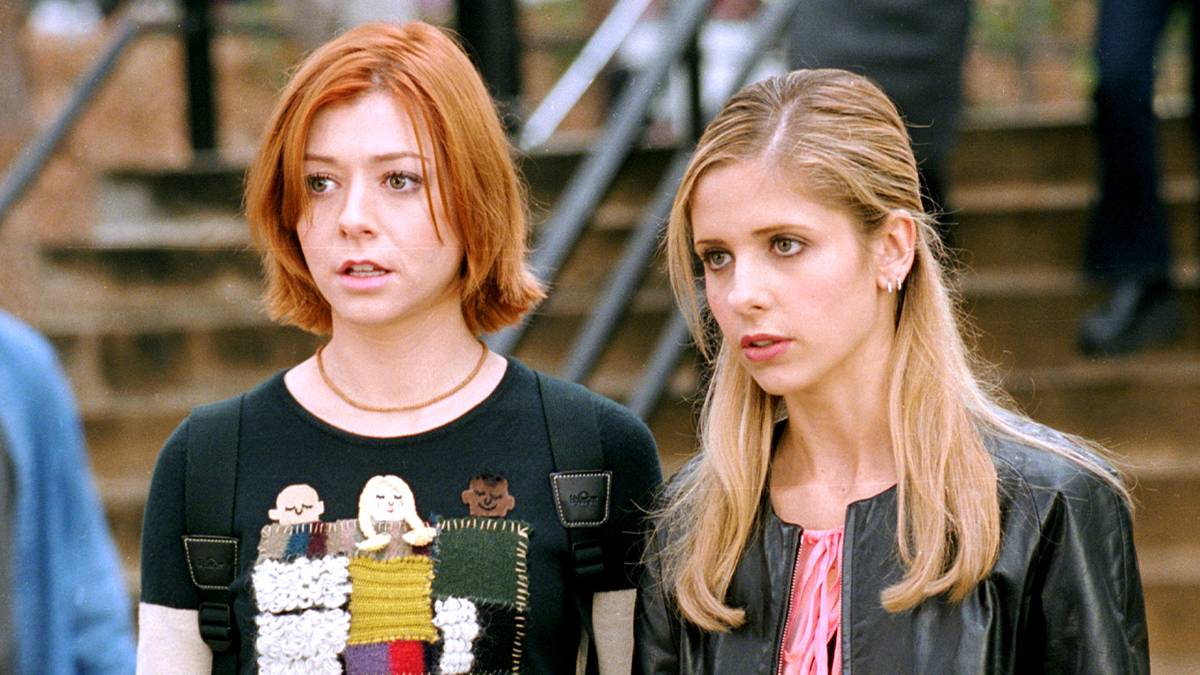
When Buffy the Vampire Slayer first hit screens in 1997, it didn't just reinvent the vampire genre—it became a cultural touchstone that would influence everything from fashion to feminist horror tropes. But beyond the monsters and the witty one-liners, the show also made a subtle yet profound mark on the way we talk about the internet. In its final season, a single line of dialogue quietly made history, and most viewers didn't even notice.
The moment came in Season 7, Episode 4, titled "Help," when Willow Rosenberg (Alyson Hannigan) casually asks, "Have you Googled her yet?" At the time, that was revolutionary. In 2002, the search engine was still finding its footing, and using its name as a verb was unheard of on television. That one line marked the first time "Google" was used as a verb in a TV script, and it signaled a shift in how we'd all come to interact with the digital world.

For modern audiences, the line might seem unremarkable. We say "Google it" dozens of times a day without a second thought. But back then, it was a glimpse into the future—a future where search engines would become as natural as breathing, and where the internet would weave itself into the fabric of everyday language. Buffy, a show that always had its finger on the pulse of youth culture, was ahead of the curve once again.
This wasn't the first time the series proved prescient. From tackling addiction and grief to featuring LGBTQ+ characters long before it was mainstream, Buffy consistently pushed boundaries. The show's influence can be seen in everything from modern vampire sagas to the way TV handles complex emotional arcs. It also helped pave the way for the supernatural boom that followed, from Twilight to The Vampire Diaries.
But the Google line is special because it's a tiny, almost throwaway moment that encapsulates a massive cultural shift. It's a reminder that the early 2000s were a turning point, when the internet was transitioning from a niche tool to a global phenomenon. Shows like Buffy were part of that transition, normalizing tech vocabulary for millions of viewers.
Today, we take for granted that we can say "iPhone" or "app" in casual conversation, but those words would have been meaningless to most people in 2002. Buffy helped bridge that gap, making the digital age feel accessible and even cool. It's a legacy that's easy to overlook, but it's one of the many reasons the show remains so beloved.
As we look back on the series, it's clear that Buffy the Vampire Slayer wasn't just about slaying vampires—it was about capturing the zeitgeist. Whether it was through its groundbreaking storytelling or its subtle nods to the future, the show left an indelible mark on pop culture. And that one line about Googling? It's a tiny piece of internet history that proves even the smallest moments can have a big impact.
So the next time you casually tell someone to Google something, remember that a certain vampire slayer and her best friend might have had a hand in making that phrase part of our everyday lives. It's just one more way Buffy continues to shape the world, one word at a time.