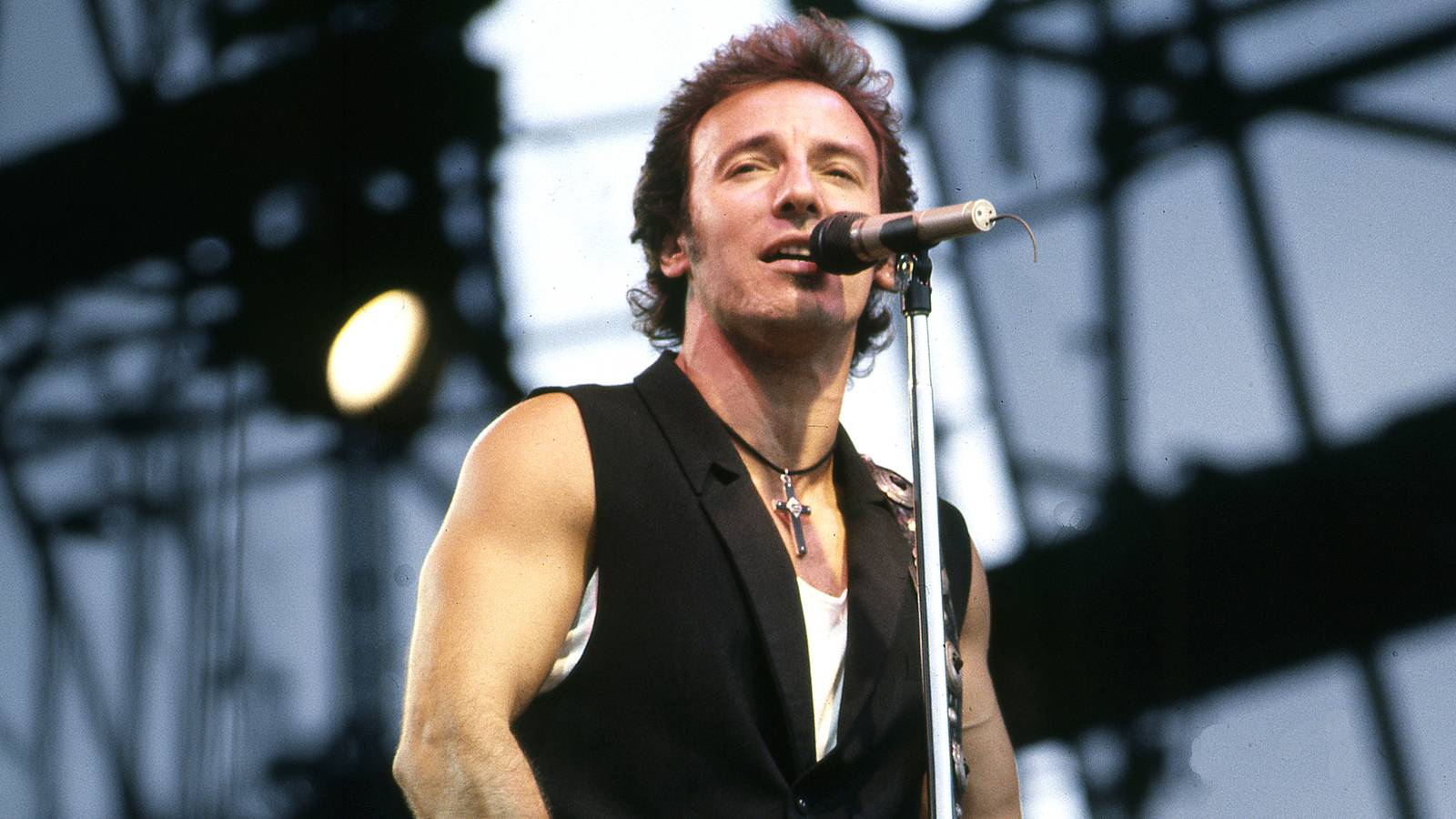
Bruce Springsteen has never been one to stay in a single lane. Over a career spanning decades, he's moved effortlessly between heartland rock, folk, and pop, always keeping that unmistakable authenticity that made him the voice of the working class. But even among his many celebrated records, one stands apart—a raw, ghostly collection that sounds like it was beamed in from another world. That album is Nebraska, and its creation is as fascinating as the music itself.
After the massive success of The River in 1980, Springsteen found himself at a crossroads. He was rich, famous, and living in a penthouse—a far cry from the blue-collar neighborhoods he sang about. The guilt gnawed at him. How could he keep writing about struggling factory workers while sipping champagne? So he did something drastic: he rented a ranch in Colts Neck, New Jersey, and went there alone, leaving behind the band, the fans, and the spotlight.
In that isolation, Springsteen didn't just sit around. He dove headfirst into American literature, particularly the Southern Gothic stories of Flannery O'Connor. Her tales of ordinary people grappling with darkness and despair struck a chord. As he later explained, O'Connor captured "that hole that's inside of everybody"—a meanness lurking beneath the surface. Inspired, he started writing songs from the perspective of characters who felt lost, bitter, and haunted by their own choices.
The result was a set of demos recorded on a four-track cassette recorder in his bedroom—a far cry from the polished studios he was used to. These lo-fi tracks had a haunting, intimate quality that felt like eavesdropping on someone's darkest thoughts. Initially, Springsteen planned to re-record them with the E Street Band, but the raw versions had a magic that couldn't be replicated. So he released them as-is, and Nebraska was born.
The album is a collection of character studies, each song a mini-movie. Take "Highway Patrolman," which tells the story of Joe Roberts, a cop torn between duty and loyalty to his wayward brother Frank. It's a quiet, devastating portrait of family and morality, set against the vast American landscape. Then there's the title track, inspired by the real-life killing spree of Charles Starkweather and his girlfriend, which Springsteen turned into a chilling first-person confession.
Springsteen's influences went beyond literature. He watched films like The Grapes of Wrath and Badlands, soaking in their depictions of desolate Midwestern plains and the darkness that lingers there. He listened to Woody Guthrie, Hank Williams, and Bob Dylan, absorbing their stark storytelling. All of it fed into the album's bleak, beautiful atmosphere.
What's remarkable is that Nebraska wasn't just a one-off experiment. Many of the songs he wrote during that period ended up on his next album, Born in the U.S.A., which became a massive hit. But Nebraska remains a singular achievement—a stripped-down, unflinching look at the American soul, recorded in the most humble of settings.
For fans of Springsteen's more polished work, Nebraska might seem like an outlier. But it's actually the purest expression of his artistry—a testament to the power of simplicity and the importance of listening to your own voice, even when it's whispering from a bedroom.