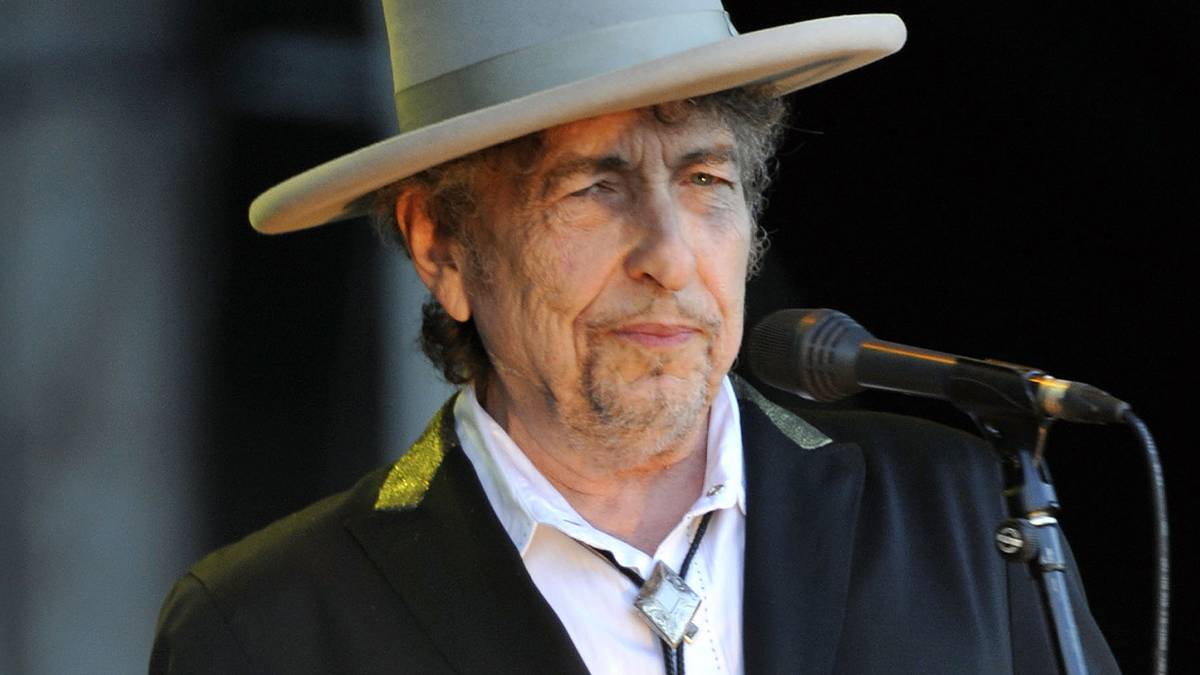
In 1964, Bob Dylan cemented his role as the voice of a generation with a chilling protest song that did more than just tell a story—it ignited a decades-long feud. "The Lonesome Death of Hattie Carroll," a stark narrative from his album The Times They Are a-Changin', took a brutal real-life crime and framed it as a searing indictment of racial and class injustice. The track's power was undeniable, but its artistic liberties would provoke raw fury from the very man it depicted.
The Tragic Story Behind the Song
The song recounts the 1963 killing of Hattie Carroll, a 51-year-old Black barmaid, by William Zantzinger, a 24-year-old heir to a wealthy Maryland tobacco farm. During a society ball in Baltimore, an intoxicated Zantzinger verbally abused staff and struck Carroll with a metal-tipped cane. She collapsed and died hours later from a brain hemorrhage. Dylan, who read a brief news item about the case alongside coverage of Martin Luther King Jr.'s "I Have a Dream" speech, was moved to channel the tragedy into music.
He recorded the song in late 1963, crafting a meticulous, line-by-line account that highlighted the grotesque power imbalance. Zantzinger is introduced as the owner of "a tobacco farm of 600 acres," while Carroll is the woman "who carried the dishes and took out the garbage." The lyrical contrast painted a devastating picture of privilege versus poverty.
Artistic License and Lasting Anger
However, Dylan took creative freedoms with the facts. He changed Zantzinger's surname to "Zanzinger," stated Carroll had ten children instead of eleven, and described the charge as murder, not the actual manslaughter conviction. These tweaks, likely for rhythm and narrative punch, led critics to suggest the song bordered on libel. For Zantzinger, they were an unforgivable sin.
Years later, when approached by a Dylan biographer, Zantzinger unleashed his venom, calling the folk icon "a no-account son of a b***h" and declaring, "I should have sued him and put him in jail." The song's enduring legacy as a definitive protest anthem ensured his infamy would outlive his six-month sentence, a bitter reality for the convicted man.
This wasn't Dylan's only foray into musical journalism. Over a decade later, he would champion another controversial case with "Hurricane," defending boxer Rubin Carter. Both songs showcase Dylan's lifelong drive to use his platform for the marginalized, even when it meant bending details to serve a greater truth. As he once reflected on his process, the priority was to get the story told.
"The Lonesome Death of Hattie Carroll" remains a cornerstone of protest music, a raw example of art's power to shape history's memory. It demonstrates how a song can become a more potent record of injustice than a court transcript, and how creative choices can ignite controversies that last a lifetime. For Dylan, it was a defining moment in a career often marked by complex regrets and revisions. For Zantzinger, it was a permanent, unwanted epitaph set to music.