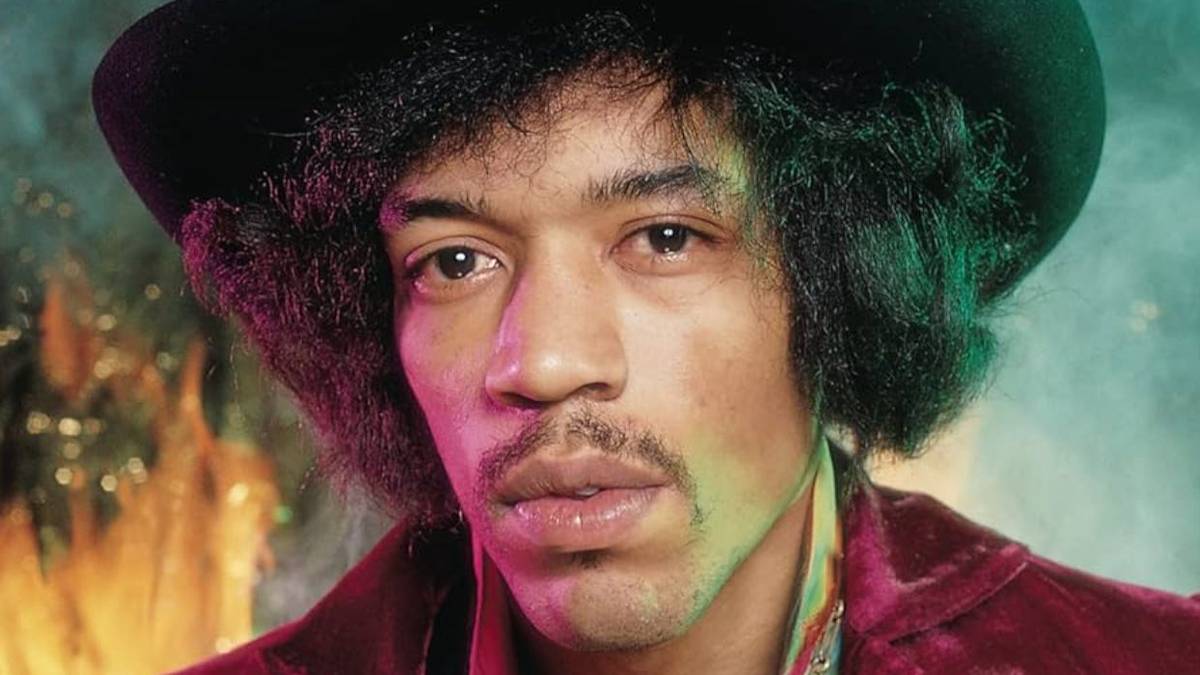
Jimi Hendrix is celebrated as one of music's most revolutionary figures, a guitarist who reshaped rock with his incendiary playing and visionary sound. Yet the road to his iconic status began not on stage, but in the disciplined confines of the U.S. Army, where a chance encounter altered the course of music history.
A Reluctant Soldier Finds His Sound
In 1961, a young Jimi Hendrix faced a stark choice: jail or enlistment. Having run into legal trouble, he chose the Army and was assigned to the 101st Airborne Division at Fort Campbell, Kentucky. Miserable and out of place, he wrote to his father pleading for his guitar, describing his days as "nothing but physical training and harassment." That instrument would become his lifeline and, ultimately, the key to his future.
The Fateful Meeting: Beethoven Meets the Blues
While Hendrix's talent did little to endear him to most of his fellow soldiers, it captivated one man: Private Billy Cox. According to accounts, Cox was seeking shelter from the rain when he heard a guitar sound unlike any other. Following the music, he discovered Hendrix playing with the raw, innovative technique that would later define him. Cox famously described the blend as "John Lee Hooker and Beethoven." A musician himself, Cox borrowed a bass, and the two began jamming, forming an instant creative bond.
This connection blossomed into a deep friendship and musical partnership. Within weeks, they formed an informal group called The Casuals. For Hendrix, this was transformative. Cox was the first true collaborator who not only appreciated his talent but actively encouraged it, providing crucial social and creative support during a stifling period of Hendrix's life.
From Army Buddies to Bandmates
Both men received honorable discharges in 1962. They immediately relocated to Clarksville, Tennessee, and formed The King Kasuals, marking Hendrix's first serious pursuit of mainstream success. The band played covers at local venues, with Cox often serving as a stabilizing force. He recalled making Hendrix an extra-long guitar cord so he could roam freely during performances, an early hint of the legendary stage antics to come.
Their paths diverged in 1966 when Hendrix left to tour as a sideman for R&B acts. Despite the distance, their support for each other never wavered. Hendrix, often struggling financially in New York, would reach out to Cox, who regularly sent money back. "I was a little more stable," Cox later admitted, "but [Hendrix] knew I was very supportive of what he was all about."
A Lifelong Creative Alliance
Hendrix never forgot his friend's loyalty. After being discovered by producer Chas Chandler, Hendrix returned to Nashville—with Little Richard—to personally recruit Cox, securing him a spot without an audition. Surprisingly, Cox initially declined, valuing his creative freedom in Nashville over the whirlwind of mainstream fame.
Their story, however, was far from over. Cox would reunite with Hendrix at pivotal moments, including the historic 1969 Woodstock festival, the recording of the Band of Gypsys album, and The Cry of Love Tour. Their alliance, forged in an Army barracks, proved to be one of the most enduring and creatively significant in rock history.
It's impossible to overstate Cox's role. He was the first to recognize Hendrix's otherworldly talent and provided the encouragement that helped a disillusioned soldier envision a life as a revolutionary artist. While both men followed their own destinies, that initial spark of recognition in the rain changed everything. As fans revisit monumental musical journeys like Bob Dylan's, the story of Hendrix and Cox stands as a powerful testament to how a single friendship can alter the soundtrack of a generation.