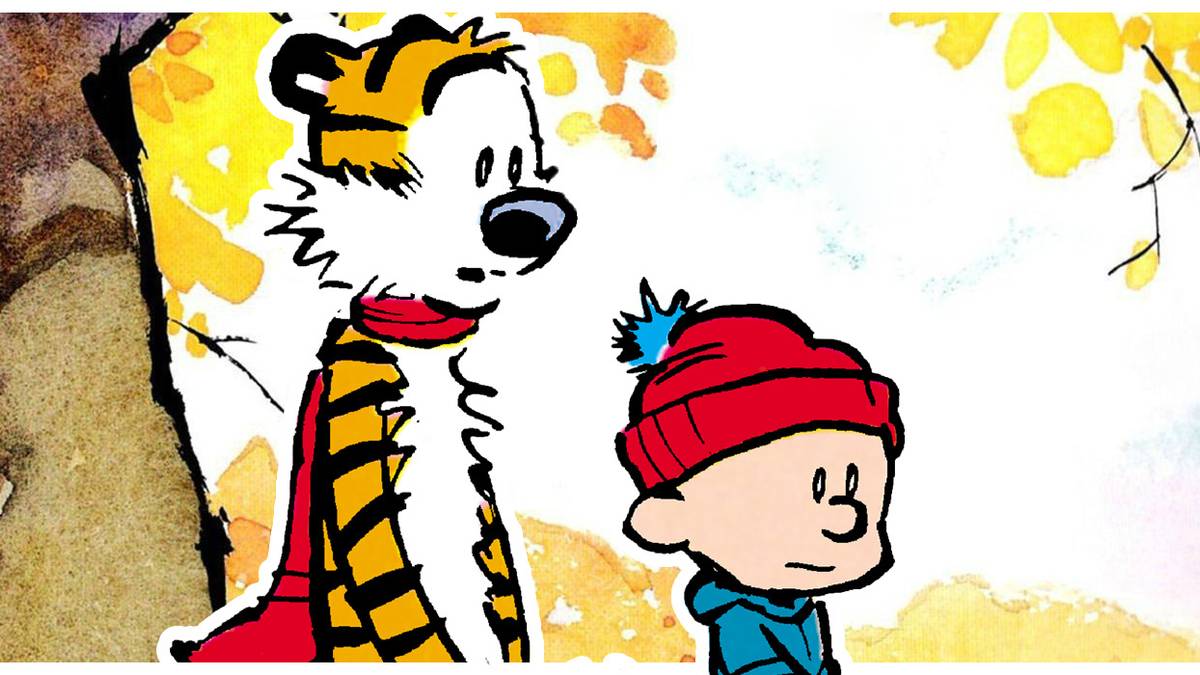
When you think of Calvin and Hobbes, you probably picture a wild-haired six-year-old and his sardonic stuffed tiger embarking on wild adventures—transforming into space explorers, battling snowmen armies, or philosophizing about the universe. But in 1987, just two years into its run, Bill Watterson pulled off something truly unexpected: a quiet, devastating story about death and grief that still resonates today.
A Sudden Turn to Reality
The storyline unfolds over nine strips, a departure from the usual gag-a-day format. Calvin discovers a wounded baby raccoon and, with his parents' help, tries desperately to nurse it back to health. Despite their best efforts, the raccoon dies, leaving Calvin to grapple with loss for the first time. It's a stark contrast to the whimsical chaos readers had come to expect, and it proved that Watterson's creation was capable of far more than just laughs.
Watterson's Personal Touch
In the Calvin and Hobbes Tenth Anniversary Book, Watterson revealed that the story was inspired by a real-life event: his wife found a dead kitten outside their home. He wrote, "This story almost wrote itself. Most of my earlier strips had simple gags, so this was a big departure in tone. Death, of course, is not a common subject for a 'kid' strip. This story not only revealed new facets of Calvin's personality but it also suggested to me that the strip was broad enough to handle a wide range of subjects, ideas, and emotions. The strip's world suddenly opened up."
Moments That Break Your Heart
Two moments in particular stand out. When Calvin's father gently explains that it was the raccoon's time to go, Calvin responds through tears: "I know. I'm crying because out there he's gone. But he's not gone inside me." It's a line that captures the essence of grief in a way that's both childlike and profound. Later, Calvin reflects on his mother's words about the cycle of life, admitting, "We just have to do the best we can with the knowledge we have." These aren't just wise words from a six-year-old; they're Watterson's way of making a heavy topic accessible to readers of all ages.
Why It Still Matters
The raccoon story was a turning point for Calvin and Hobbes. It showed that the strip could pivot from slapstick to sincerity without missing a beat. This unpredictability became a hallmark of Watterson's work, allowing him to explore everything from existential philosophy to time-travel paradoxes, all while keeping the emotional core intact. It's why the comic remains beloved nearly four decades after its debut, and why this particular storyline is often cited as one of its finest moments.
In a world where comic strips often stick to safe, familiar territory, Calvin and Hobbes dared to tackle the tough stuff. The raccoon story is a testament to the power of sequential art to move us, to make us feel, and to remind us that even in a cartoon about a boy and his tiger, there's room for genuine heartbreak. It's a masterpiece that continues to resonate, proving that sometimes the most profound stories come in the smallest packages.