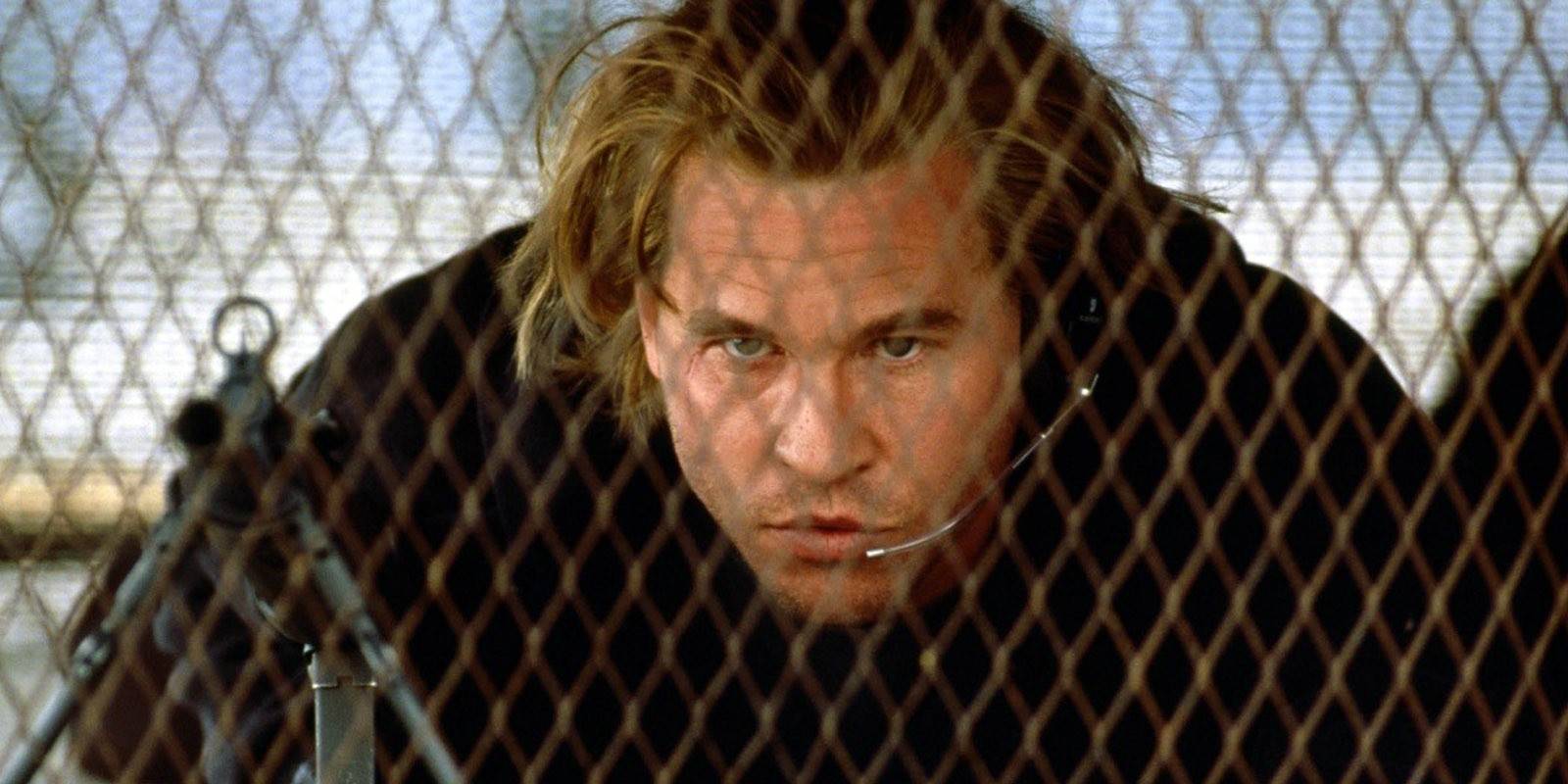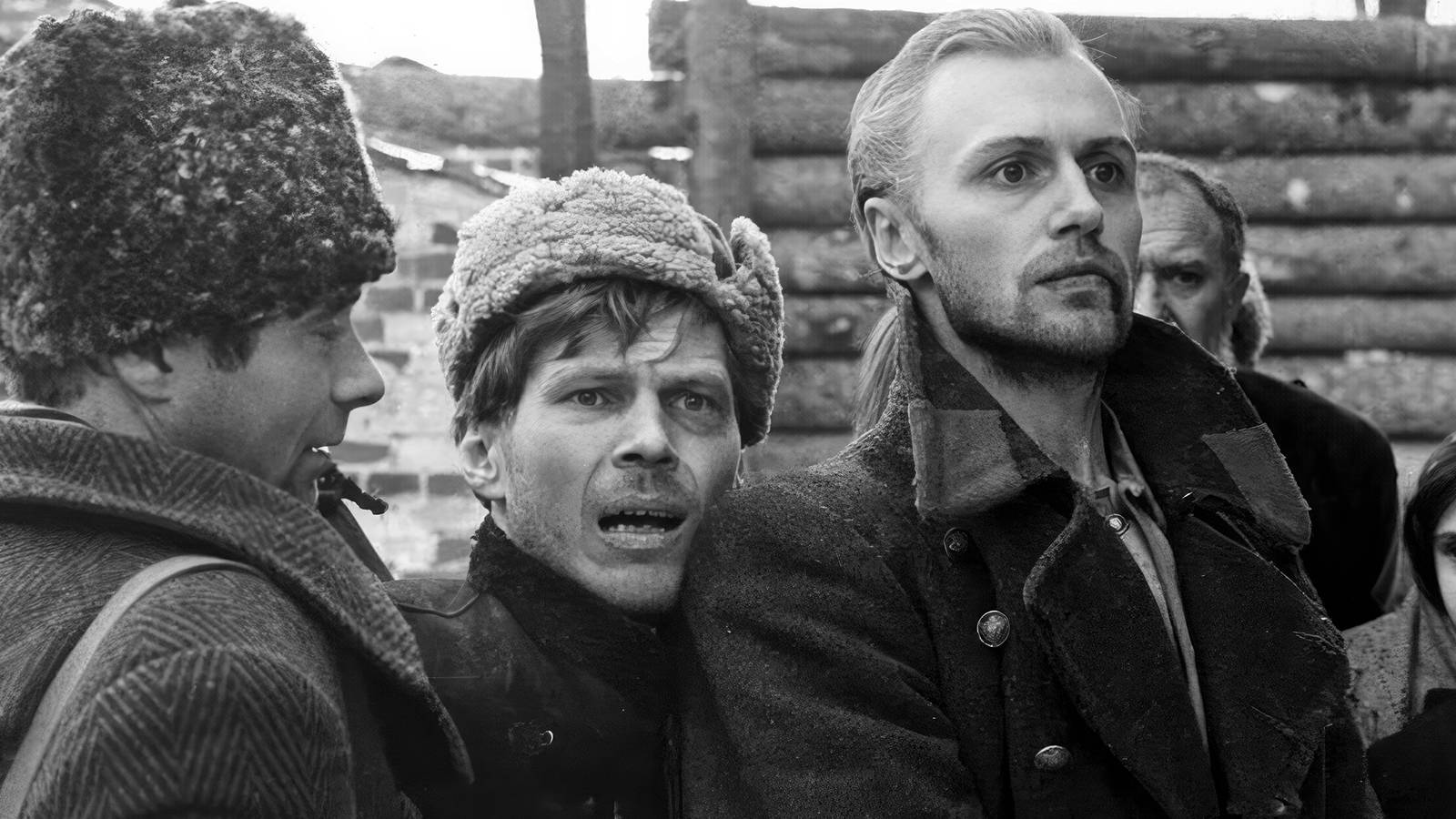
In the frozen forests of Belarus, 1942, a group of Soviet partisans fights for survival against Axis forces. This is the harrowing opening of Larisa Shepitko's 1977 film The Ascent, a World War II drama that has quietly climbed to the top of Letterboxd's rankings for the genre. Nearly five decades later, it's one of the highest-rated war movies on the platform, yet it remains a hidden gem compared to Western classics like Apocalypse Now or Saving Private Ryan.
A Different Kind of War Story
Unlike many American war epics that focus on spectacle and heroism, The Ascent strips combat down to its psychological core. The film follows two partisans—Sotnikov (Boris Plotnikov) and Rybak (Vladimir Gostyukhin)—on a desperate mission to find food for their starving unit. What begins as a survival story quickly transforms into a profound exploration of morality, faith, and human endurance. Shepitko's black-and-white cinematography turns the snowy landscape into a character itself, reflecting the characters' inner turmoil.
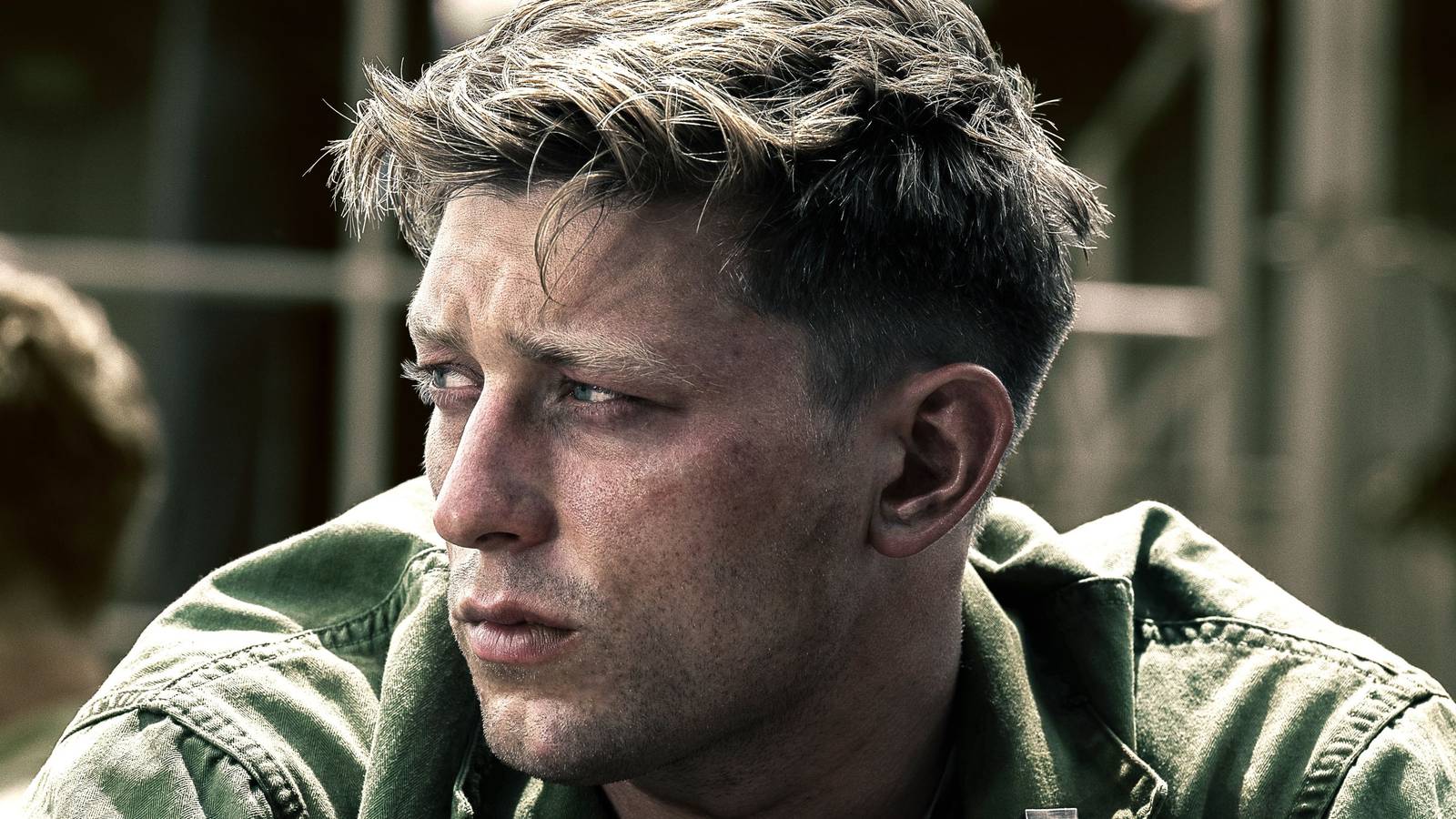
This approach was part of a broader movement in 1970s Soviet cinema, where filmmakers like Andrei Tarkovsky embraced poetic storytelling. Shepitko, who studied under editing legend Alexander Dovzhenko, inherited his flair for "heroic portraiture"—low-angle shots that frame actors as monumental figures. Her use of landscape as an active narrative element echoes Dovzhenko's 1930 film Earth, but The Ascent feels remarkably modern in its moral ambiguity.
Why It Resonates Today
What sets The Ascent apart is its refusal to judge its characters. Sotnikov and Rybak face impossible choices, and the film challenges viewers to sit with the discomfort of their actions. It's a war movie that asks not just "who wins?" but "what does it mean to survive?" This introspective quality has earned it a devoted following on Letterboxd, where it now ranks among the site's top narrative features.
The film's legacy is also tied to its director's tragic story. Shepitko died in a car accident just two years after The Ascent's release, but her influence lives on through her husband, Elem Klimov, who directed the even bleaker Come and See (1985). Klimov's masterpiece owes a debt to Shepitko's vision, and together, they offer a devastating portrait of war's toll on the human spirit.
A Must-See for War Film Fans
Thanks to The Criterion Collection, The Ascent is now widely available on Blu-ray and streaming. It's a film that demands patience and an open mind, but for those willing to engage, it offers a perspective on World War II that's rarely seen in Hollywood productions. If you're looking for a war movie that prioritizes moral complexity over action, this is it.
For more underrated gems, check out our list of 7 underrated movie trilogies that deserve your attention or revisit Steven Spielberg's Band of Brothers, another timeless war classic.