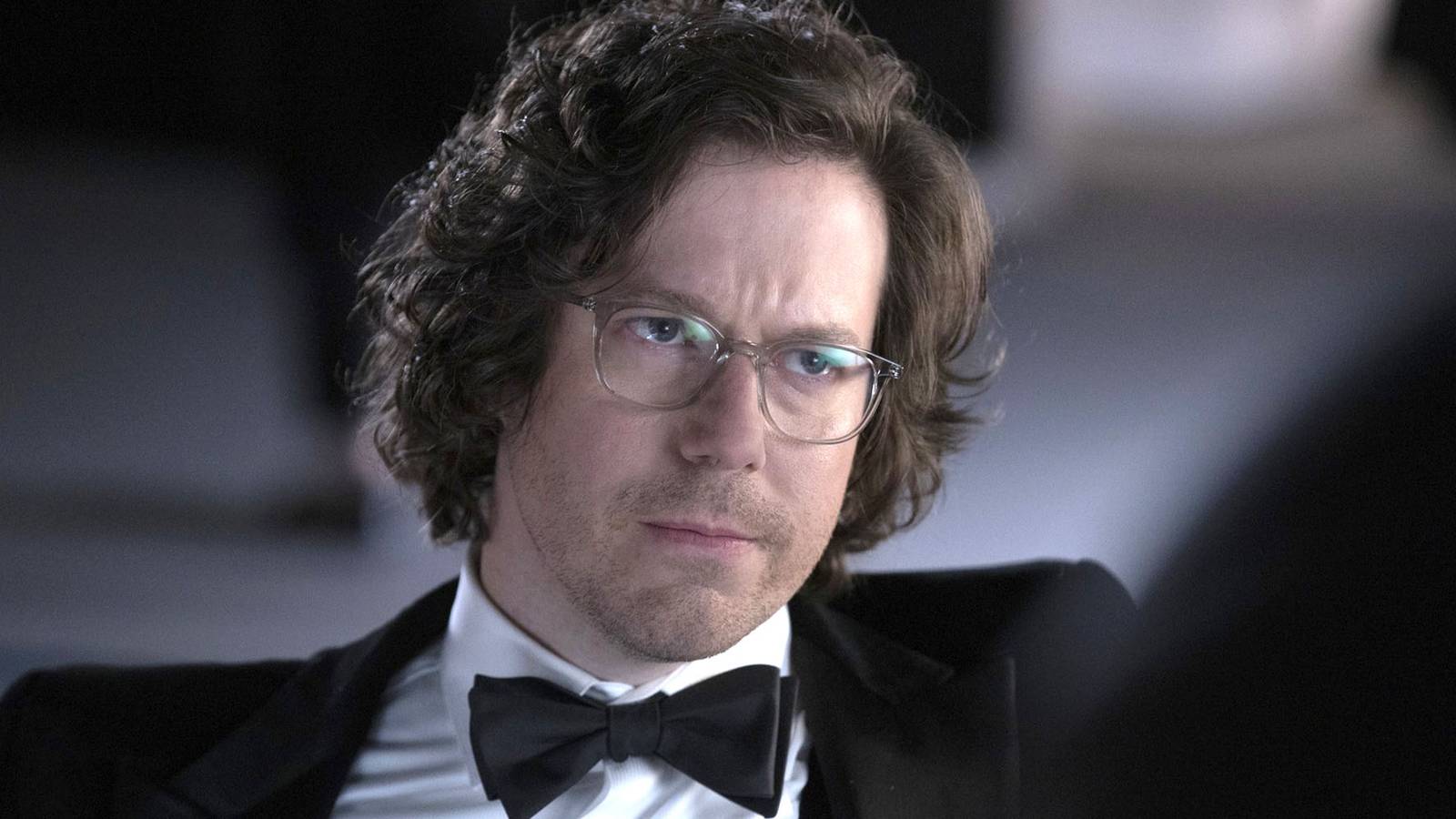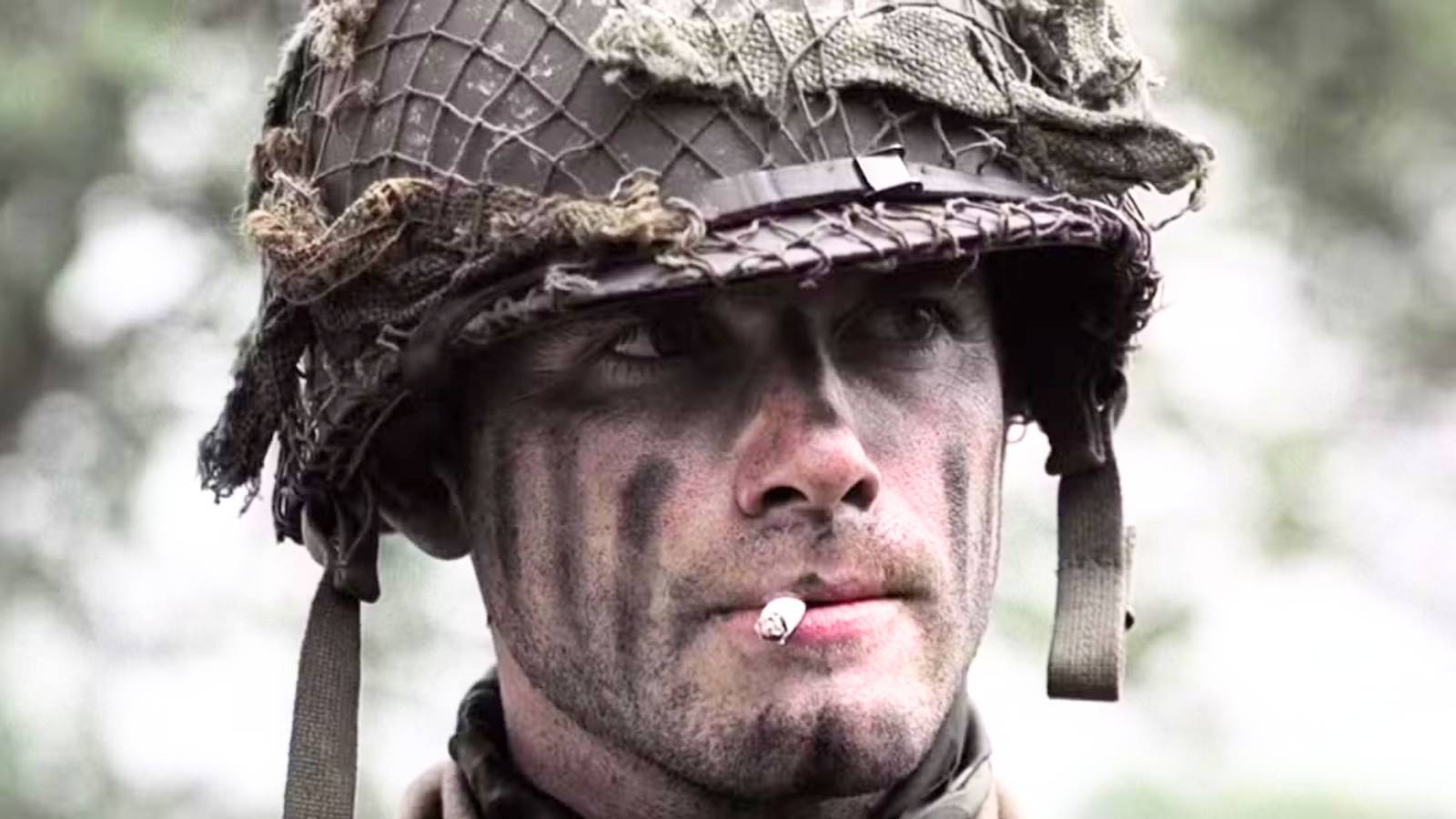
When Band of Brothers premiered on September 9, 2001, it faced an almost impossible challenge. Just two days later, the 9/11 attacks changed the world, and HBO pulled marketing for the series due to its violent content. Viewership plummeted as audiences weren't in the mood for war. Yet, over time, the show transformed from a controversial gamble into a beloved tribute to sacrifice and patriotism. Today, it stands as Steven Spielberg's definitive war masterpiece.
At the time, war dramas were considered prestige but niche. Spending a fortune on just ten episodes was unheard of. But Spielberg and Tom Hanks proved that deep writing, stellar acting, and emotional connection pay off. Band of Brothers doesn't just hold up; it defines the upper limit of war storytelling.

Why Band of Brothers Still Sets the Gold Standard
Adapted from Stephen E. Ambrose's book, the series follows Easy Company of the 101st Airborne from brutal training at Camp Toccoa through D-Day, the Battle of the Bulge, and the war's end. What makes it great is its unwavering commitment to vision. There are no weak episodes, no filler. Every scene feels intentional.
Each episode centers on a different soldier, which could feel disjointed. Instead, it gives the audience a chance to understand the unit as a collection of distinct personalities thrown together in shared trauma. Leaders like Richard Winters (Damian Lewis) anchor the story, but emotional weight is evenly distributed across the ensemble. War is a main character, but not the only one.
Most war dramas treat battles as endpoints, but Band of Brothers uses combat to propel the story forward, showing the emotional toll. By episodes like "Bastogne" and "Why We Fight," the exhaustion is palpable. The series refuses easy catharsis; survival itself becomes morally complicated.
Spielberg and Hanks' Most Lasting Collaboration
Spielberg's influence goes beyond visual style. As executive producer, he shaped the moral perspective, making it reverent without being sentimental. Each episode opens with real Easy Company veterans, identified only at the end, framing them as witnesses. Hanks brought credibility from Saving Private Ryan, ensuring historical accuracy and actor immersion. Together, they trusted history to be the ultimate entertainment, earning audience connection through writing and acting.
A Perfectly Structured Miniseries
Twenty-five years later, Band of Brothers remains airtight. Episodes like "Day of Days" deliver immersive D-Day depictions; "Crossroads" interrogates leadership; "The Breaking Point" strips illusions of control. The final episode, "Points," refuses easy victory. When Easy Company reaches the Eagle's Nest, the triumph feels hollow—the men are changed beyond repair. No victory can replace lost innocence.
The ensemble cast grew into legends, with performances that still resonate. For fans of masterful storytelling, this series is a must-watch, alongside other HBO classics like The Sopranos and other perfect TV dramas. It's a testament to how Spielberg and Hanks elevated the medium.