In House of the Dragon Season 3, Episode 4, titled "Tumbleton," HBO quietly resurrects one of Game of Thrones' most unforgettable locations: the High Hall of the Eyrie and its infamous Moon Door. While the prequel is set more than 150 years before the original series, this callback proves that the franchise's past still casts a long shadow.
The scene unfolds when Daemon Targaryen (Matt Smith) arrives at the Vale to collect gold on behalf of Rhaenyra (Emma D'Arcy). He meets with Lady Jeyne Arryn (Amanda Collin), the current ruler of the Eyrie, who previously gave sanctuary to Rhaenyra's youngest children in Season 2. Though they are political allies, their conversation is laced with hostility—thanks in large part to Daemon's complicated history with House Arryn following the mysterious death of his first wife, Lady Rhea Royce (Rachel Redford).

The Moon Door, a circular trapdoor in the floor of the High Hall that opens to a thousand-foot drop, serves as an unspoken threat throughout their exchange. Its presence amplifies the tension, reminding viewers of the deadly consequences that have played out on this very spot in Game of Thrones. For fans, it's a chilling visual cue that no alliance is safe.
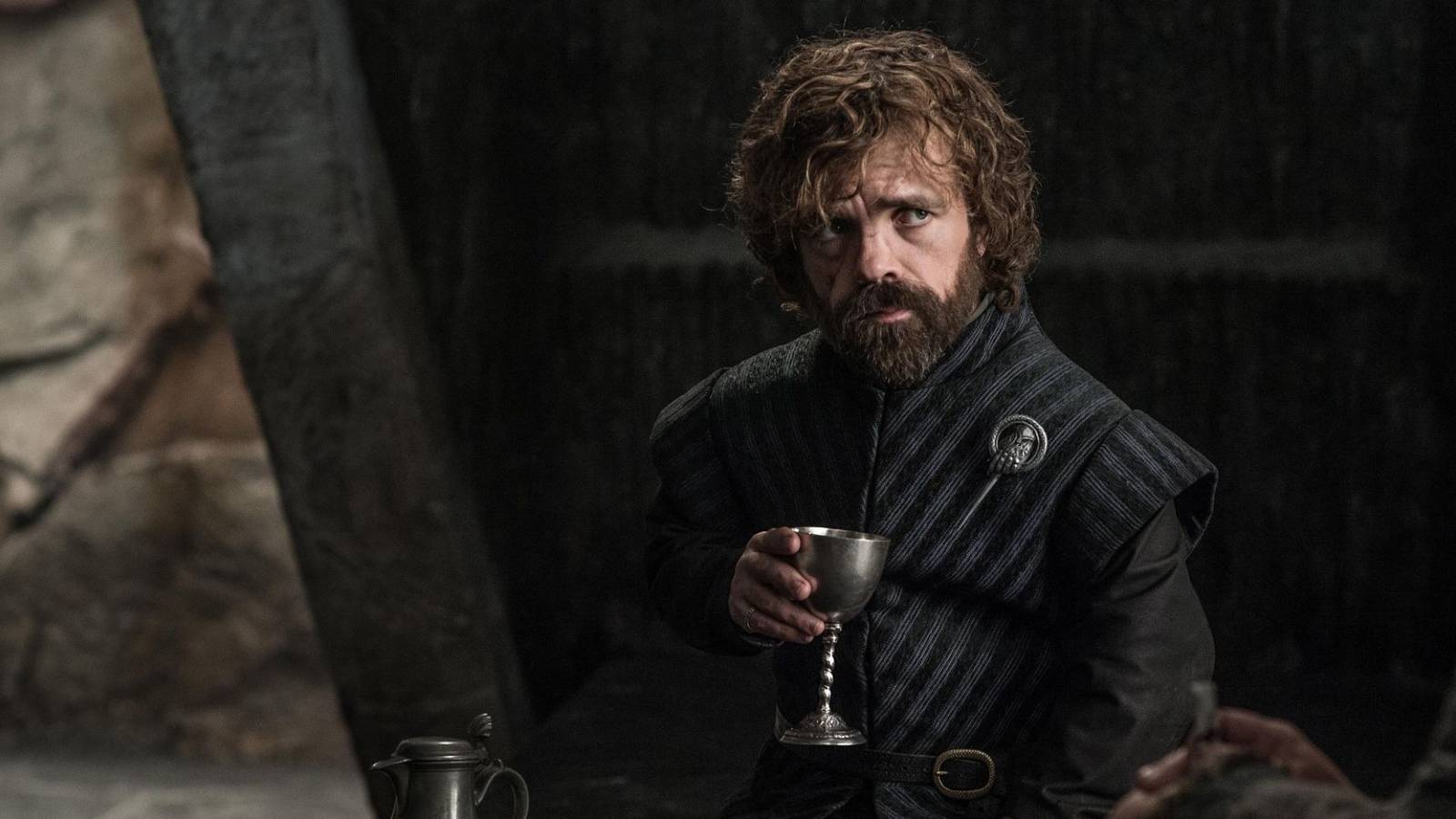
In the original series, the Moon Door was the site of Tyrion Lannister's (Peter Dinklage) first trial by combat, where Bronn (Jerome Flynn) fought to clear his name. It also witnessed the shocking death of Lysa Arryn (Kate Dickie), thrown through the door by Petyr Baelish. That bloody legacy makes the location instantly recognizable and emotionally charged.
Bringing the Eyrie back to life wasn't easy. Production designer Jim Clay revealed in the featurette The House That Built the Dragon that the team had to rebuild the set from scratch. They stayed true to the original design but added a mural depicting the Vale's history and adjusted the color palette to reflect the time gap between the two shows. These changes don't break continuity—they could easily be altered before the events of Game of Thrones—but they show a dedication to making the prequel feel connected to its predecessor.
This attention to detail is exactly what fans crave. While House of the Dragon largely stands on its own, these subtle nods to the original series deepen the world and reward longtime viewers. For more on how the show builds on its predecessor, check out our analysis of how House of the Dragon's dragon-rider bonds surpass Game of Thrones.
The Eyrie's return also ties into Daemon's evolving character arc. His tense interaction with Lady Jeyne echoes his strained relationships elsewhere, and the Moon Door serves as a reminder of the violence that lurks beneath political maneuvering. To explore more of Daemon's journey, read about how House of the Dragon's Daemon & Rhaena rewrite deepens his fatherhood arc.
Ultimately, House of the Dragon Season 3 proves that even in a prequel set centuries earlier, the ghosts of Game of Thrones still haunt the halls. The Moon Door may be a small detail, but it carries the weight of an entire franchise's history—and that's exactly what makes it so powerful.