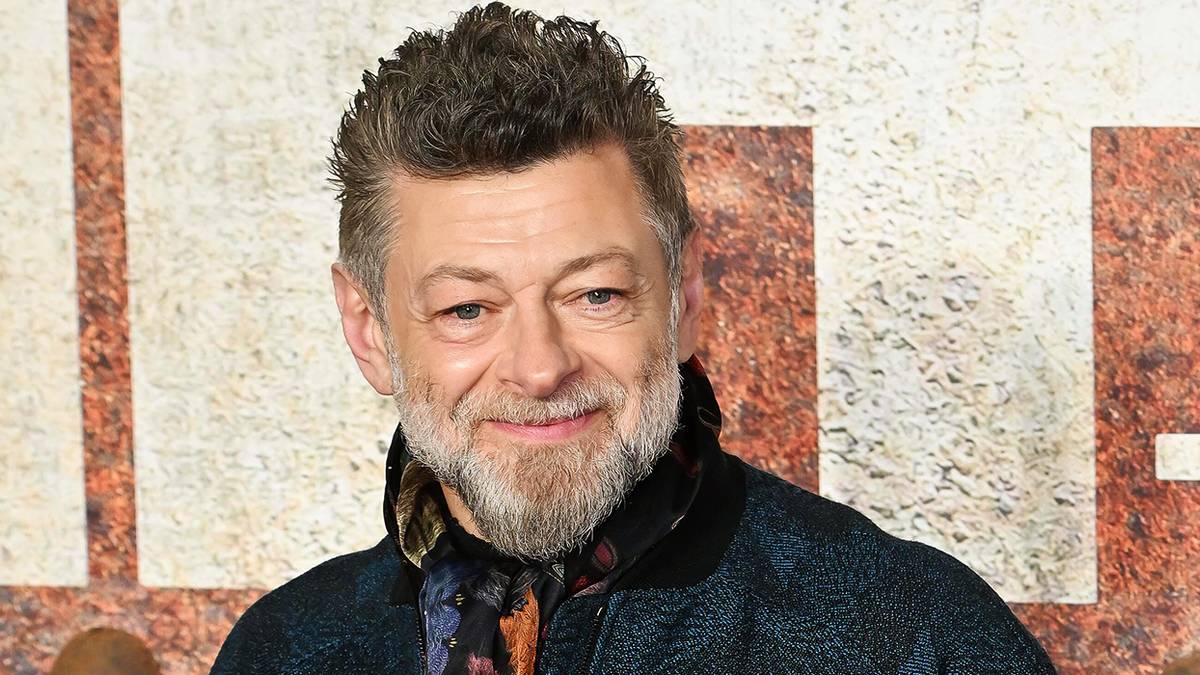
As Middle-earth prepares for its grand return, director and star Andy Serkis is tackling one of the franchise's most persistent criticisms head-on: diversity. In a recent interview with the BBC, Serkis addressed concerns over the casting choices for The Lord of the Rings: The Hunt for Gollum, which so far features an all-white ensemble. The actor, known for his decades-long advocacy for equality, emphasized that the film will embrace diversity "where relevant" without resorting to tokenism.
"Tolkien himself was influenced a lot by Norse mythology; there’s a lot of that feeling," Serkis explained. "The Shire feels very, very much like a very, very white, you know… They’re not very concerned about what goes on beyond the borders of The Shire, but they know they don’t want people coming in." He acknowledged that "there have been criticisms" and that "this particular film is somewhat acknowledging that. But we don’t think we will be doing a politically correct just-casting-for-the-sake-of-casting-and-ticking-boxes version of the film. So, it’s only where relevant basically."
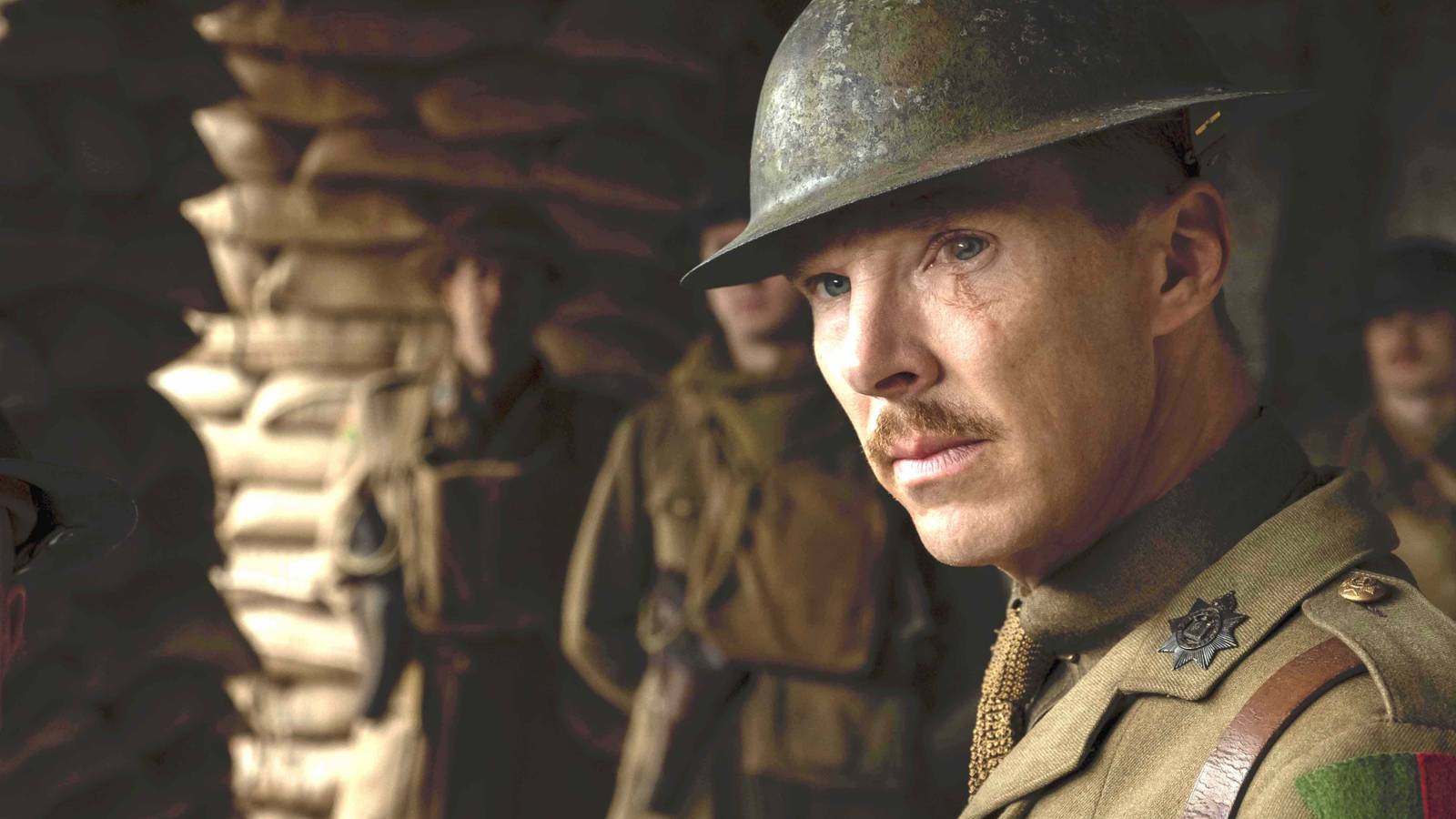
Set for release on December 17, 2027, The Hunt for Gollum chronicles the events before The Fellowship of the Ring, following Aragorn’s quest to find Gollum after Gandalf suspects Bilbo’s ring is far more dangerous than it appears. The film marks a return to the ethereal landscapes and epic storytelling that made Peter Jackson’s trilogy a benchmark for modern fantasy. For fans eager to revisit Middle-earth, this project promises to capture that same magic, though it also reignites debates about representation in Tolkien’s world.
Serkis, who reprises his iconic motion-capture role as Gollum and directs from a screenplay by Phoebe Gittins and Arty Papageorgiou, is joined by a stellar cast. Ian McKellen returns as Gandalf the Grey, Lee Pace as Thranduil, and Jamie Dornan steps into the role of Aragorn, replacing Viggo Mortensen. Kate Winslet, Leo Woodall, and Anya Taylor-Joy also join the ensemble, with Taylor-Joy playing a new character named Seren. The original creative team—Philippa Boyens, Fran Walsh, and Peter Jackson—are producing, ensuring continuity with the beloved trilogy.
The diversity discussion comes amid broader scrutiny of casting in major fantasy adaptations, including Christopher Nolan’s upcoming The Odyssey. While some fans argue that Tolkien’s world is inherently Eurocentric, others point out that Middle-earth is a fictional realm with room for interpretation. Serkis’s comments suggest a middle ground: honoring the source material while being mindful of modern expectations.
For those who believe Tolkien’s work belongs to everyone, this approach may feel like a step forward. As Serkis noted, "Tolkien is for everyone. Has been and always will be." Whether The Hunt for Gollum will satisfy both purists and progressives remains to be seen, but the film’s commitment to thoughtful representation—rather than box-ticking—could set a new standard for the franchise.
In the meantime, fans can revisit the original trilogy or explore other fantasy epics that push boundaries, such as those highlighted in our list of 3 Fantasy Films That Unironically Outshine The Lord of the Rings. And for those curious about how other franchises handle legacy and diversity, check out our analysis of How 'Star Wars: Legacy' Novel Finally Fixes 'The Rise of Skywalker'.
With production underway and a star-studded cast, The Lord of the Rings: The Hunt for Gollum is shaping up to be one of the most anticipated films of 2027. Whether it will bridge the gap between Tolkien’s vision and contemporary values is a question only time—and the final cut—will answer.