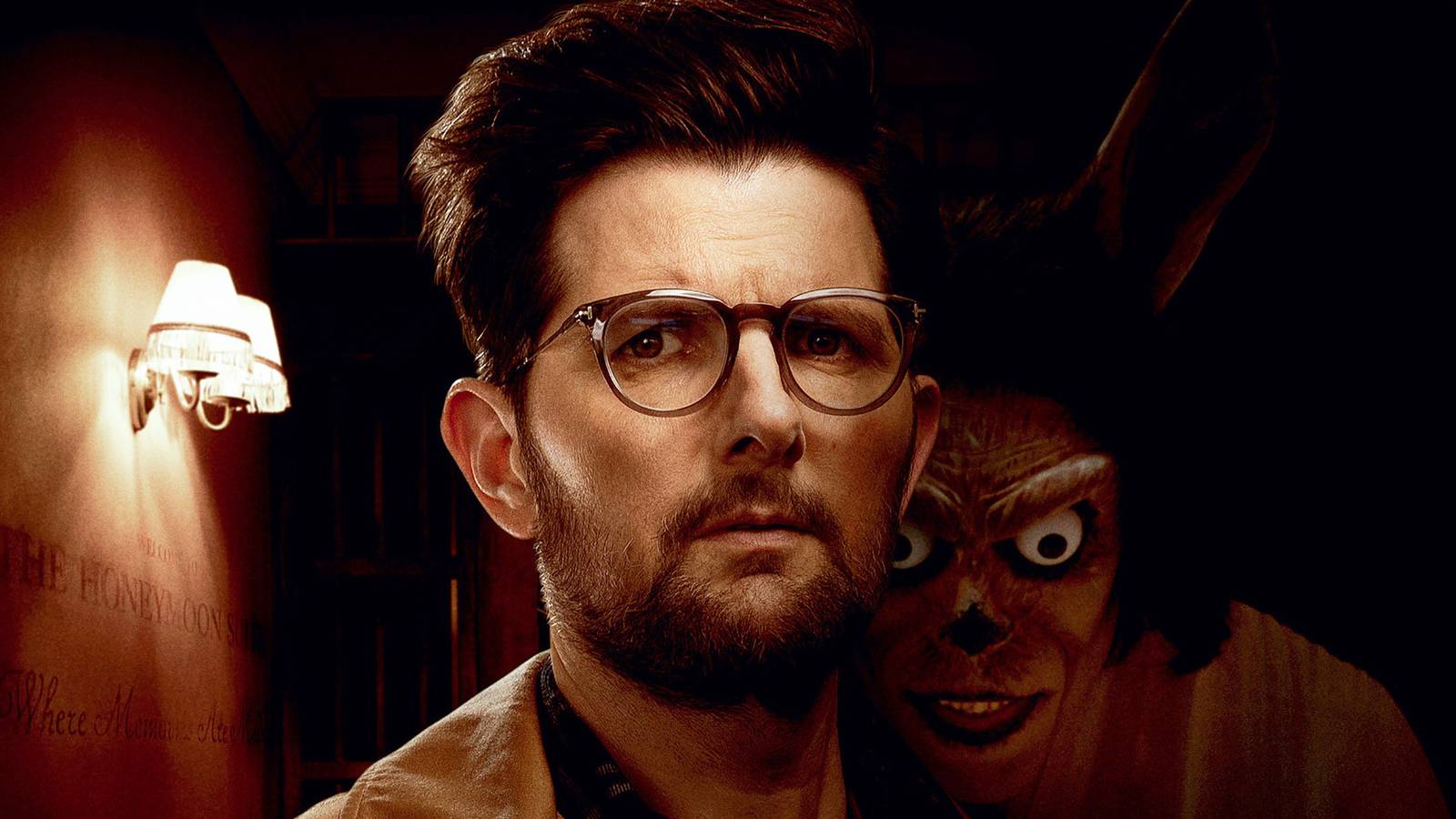
From the twisted mind behind Oddity, writer-director Damian McCarthy returns with Hokum, a chilling fairy tale gone wrong that stars Adam Scott (Severance) as a prickly novelist confronting his deepest fears. Now in theaters, the film has audiences buzzing about its shocking ending—and McCarthy and Scott are here to explain exactly what went down.
In Hokum, Scott plays Ohm Bauman, a writer who travels to a remote Irish inn to scatter his parents' ashes. Dismissing local legends about a witch haunting the honeymoon suite, Ohm soon finds himself trapped in a nightmare when an employee vanishes and the hokum becomes terrifyingly real. The film's climax, set in a dark tunnel beneath the inn, leaves viewers questioning everything they've seen—and McCarthy has new details that completely transform the ending.
The Witch's Design and the Ending That Changed Everything
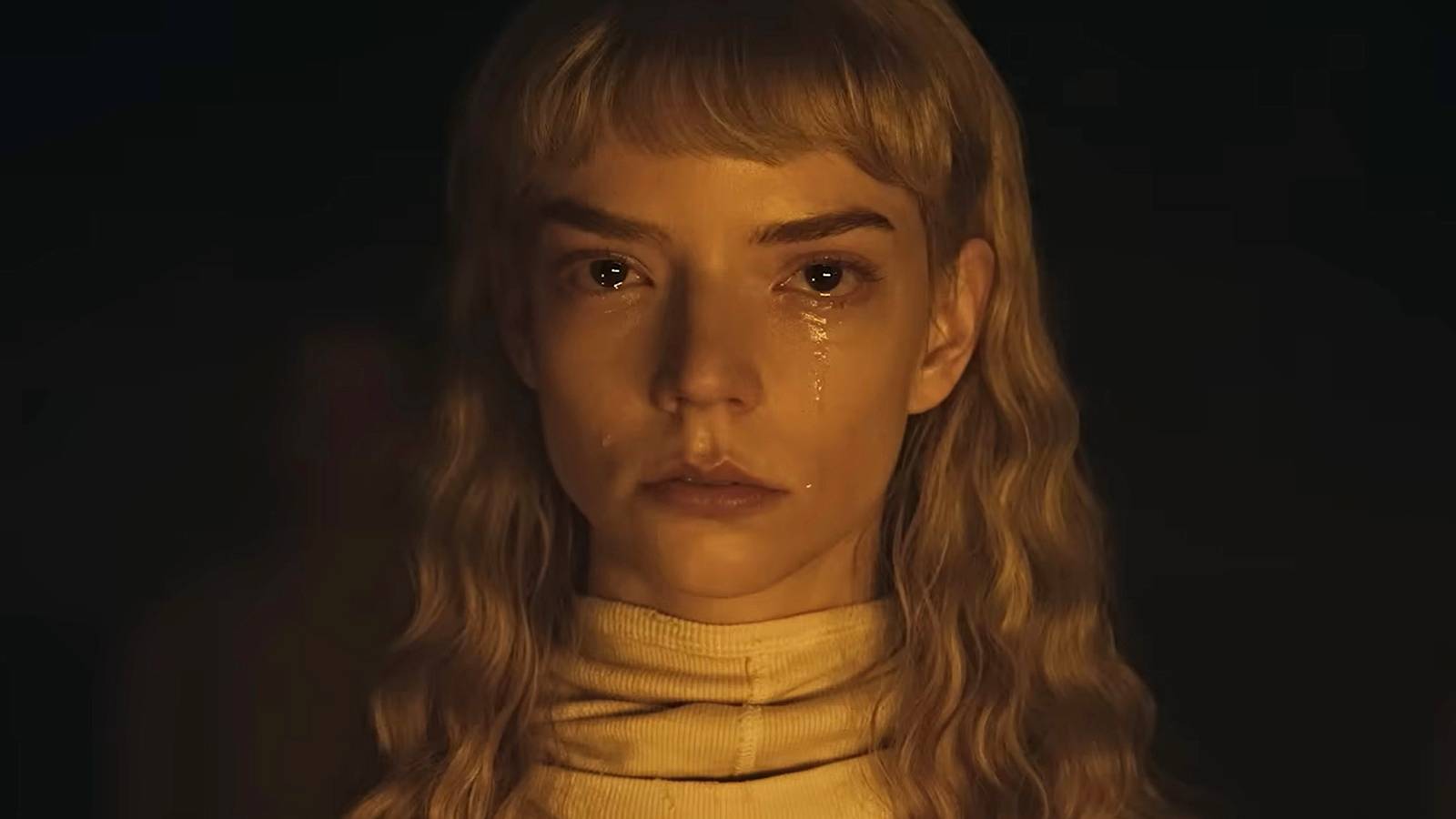
McCarthy reveals that the witch's design was inspired by Irish folklore and a desire to make her feel both ancient and deeply personal. "I wanted her to be something that felt like it had been there for centuries, but also reflected Ohm's own guilt," he explains. The ending, where the witch whispers something to Ohm in the tunnels, was originally much more explicit. "In early drafts, she spelled everything out. But I realized the scariest thing is what you don't hear—what you imagine she says."
Scott adds that the final scene on the bed, where Ohm draws a protective circle around himself, was the hardest to visualize. "I had no idea how we'd pull it off emotionally. But Damian mapped it out on set, and it became the clearest moment of the film—Ohm finally acknowledging the reality of his situation."
How a New Character Cracked the Story
McCarthy admits that Hokum was his toughest script to write, taking over two years and countless drafts. "I knew I wanted to punish Ohm over one night, but something was missing. Then Jerry came in—David Wilmot's character. He injects hope, a chance for rescue. Without him, there's no way out without a deus ex machina."
Scott agrees: "Jerry changes everything. He's the one who makes Ohm's journey feel earned." For fans of mind-bending thrillers that keep you guessing until the very end, Hokum delivers a twist that rewards repeat viewings.
Adam Scott on the Most Challenging Scenes
Scott also breaks down the physical and emotional demands of the role. "The tunnel scenes were brutal—cold, wet, and claustrophobic. But Damian created an atmosphere where you felt the witch's presence even when she wasn't there." He notes that the film's title, spoken dismissively by Ohm early on, was a key moment. "I didn't want to lean into it too hard. Damian wrote it as an offhanded comment, which made it feel real."
For more on Scott's approach to horror, check out Adam Scott on Hokum's Unique Terror and Defending His Controversial Scorsese Pick.
What the Ending Really Means
McCarthy hints that the witch's final words are less important than Ohm's reaction. "He's been running from his past, from his parents' death. The witch forces him to confront it. Whether she's real or a manifestation of his guilt is up to the audience." Scott adds: "The ending isn't about answers. It's about the terror of not knowing—and the hope that comes from facing your demons."
For fans of the best international thriller movie endings, ranked from shocks to genius twists, Hokum earns its place with a finale that lingers long after the credits roll.