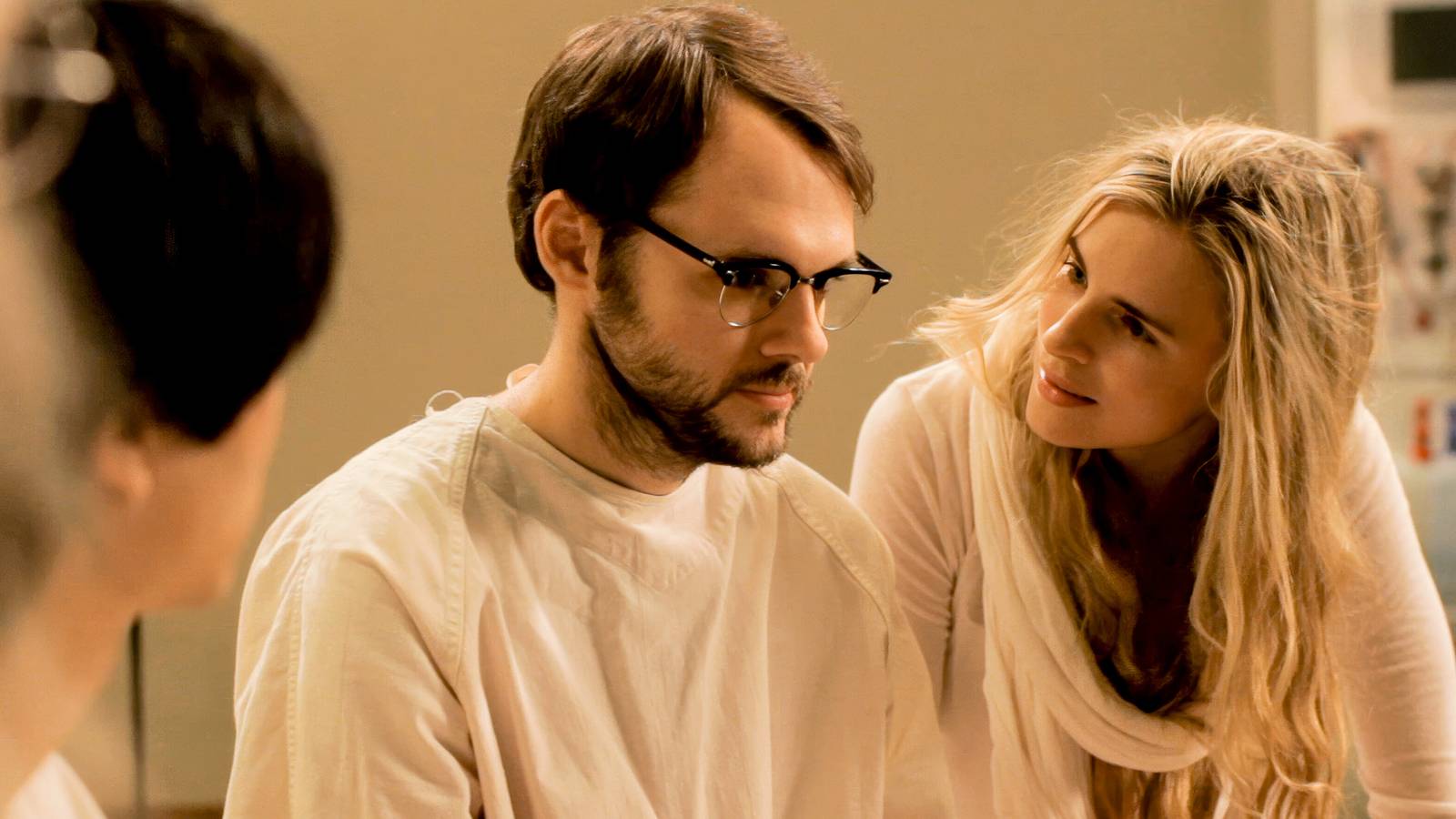
Some thrillers are straightforward, but the best ones keep you on the edge of your seat, constantly questioning what's real. These films plant subtle clues, employ unreliable narrators, and twist expectations, making every rewatch a new discovery. Whether it's the mind-bending puzzle of Coherence or the psychological maze of Memento, these movies thrive on confusion and misdirection.
Here are some of the most gripping thrillers that keep you guessing from start to finish. Instead of leading you to a clear resolution, they embrace ambiguity and narrative sleight of hand. The result is an experience that lingers long after the credits roll, inviting you to watch again—not just to catch what you missed, but to appreciate how expertly you were led astray.

'The Usual Suspects' (1995)
Roger "Verbal" Kint (Kevin Spacey) is a small-time con artist and the sole survivor of a deadly ship explosion. During a police interrogation, he recounts how a group of criminals came together to work for the mysterious crime lord Keyser Soze. Written by Christopher McQuarrie, The Usual Suspects is a masterclass in narrative construction. Verbal is an unreliable narrator, and the film plants inconsistencies and visual cues that something is off. By the time the truth is revealed, you're forced to completely reevaluate everything you've seen. It's no surprise the film won the Oscar for Best Original Screenplay. For more films that play with perspective, check out our list of 10 Thrillers That Would Make Alfred Hitchcock Proud.
'The Invitation' (2015)
Will (Logan Marshall-Green) attends a dinner party hosted by his ex-wife, Eden (Tammy Blanchard), and her new partner, David (Michiel Huisman). As the evening unfolds, the gathering feels increasingly off, and Will becomes convinced something sinister is happening—but his concerns are dismissed as paranoia. Karyn Kusama's The Invitation uses slow-burning tension and ambiguity to create an underrated thriller. It carefully balances two interpretations: either Will is right, or he's projecting his trauma. Kusama stretches this uncertainty to its limit, using subtle cues and social discomfort to keep you guessing. When the truth finally emerges, it expands the threat in a chilling way, making for an unforgettable experience.
'Coherence' (2013)
A group of friends gathers for a dinner party as a comet passes overhead. Soon, minor oddities appear, reality begins to decay, and they encounter alternate versions of themselves. Made on an ultra-low budget, Coherence uses a naturalistic style and improvised dialogue to immerse you in the same confusion as the characters. Each revelation is shared with both the characters and the audience, keeping you guessing not just about what's happening, but which version of events you're witnessing. It's like solving a puzzle where the last pieces keep missing—in the best way possible. If you enjoy sci-fi twists, check out The Best Sci-Fi Thrillers of All Time, Ranked.
'Shutter Island' (2010)
Set in 1954, U.S. Marshal Teddy Daniels (Leonardo DiCaprio) travels to Ashecliffe Hospital, a remote psychiatric facility, to investigate a patient's disappearance. Alongside his partner Chuck Aule (Mark Ruffalo), Teddy interviews staff and patients, but a violent storm traps them on the island, and his investigation becomes increasingly personal. Martin Scorsese blurs the line between reality and delusion by aligning the audience entirely with Teddy's unstable point of view. Clues are planted throughout but framed to allow multiple interpretations until the final act reveals the truth. Although often reduced to its twist, the buildup is what sets Shutter Island apart—it fills the atmosphere with so much uncertainty that even after the reveal, you may still question what's real.
'The Prestige' (2006)
Rival magicians Robert Angier (Hugh Jackman) and Alfred Borden (Christian Bale) engage in a deadly game of one-upmanship to perfect an impossible trick, The Transported Man. Christopher Nolan's The Prestige replicates the structure of a magic trick—The Pledge, The Turn, and The Prestige—and is a trick in itself. It hides its biggest secrets in plain sight while distracting with spectacle and misdirection. The clues are all there, but the narrative framing encourages you to overlook them. The film moves confidently, always staying one step ahead of the audience. For more psychological mind games, see Mind Games: The Best Psychological Thriller Movies of the Last 15 Years.
These thrillers prove that the best stories don't just tell you a tale—they make you work for it. They reward attention and invite rewatch, leaving you marveling at how cleverly you were led down the wrong path. So grab some popcorn, turn off your phone, and prepare to have your mind twisted.