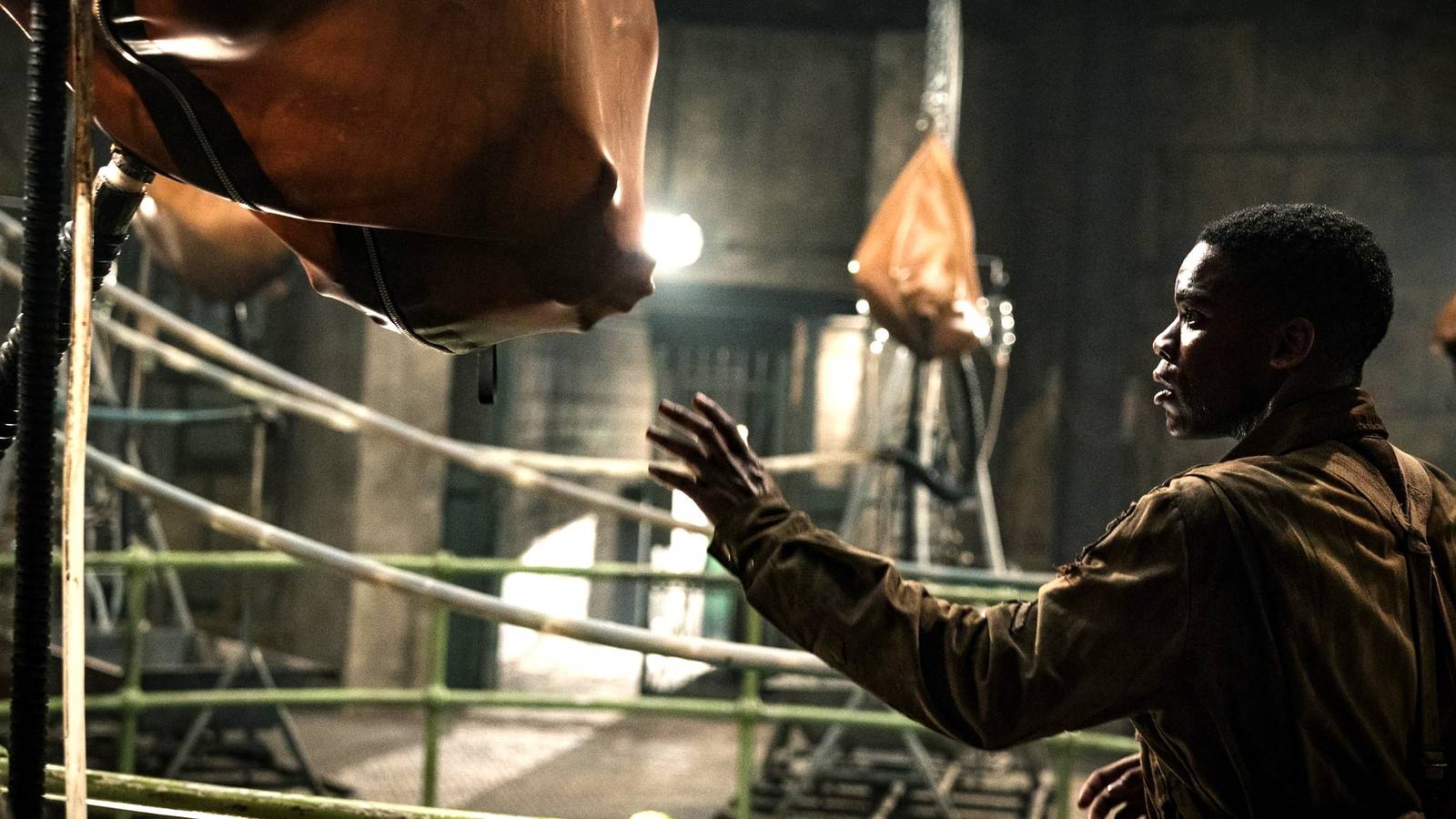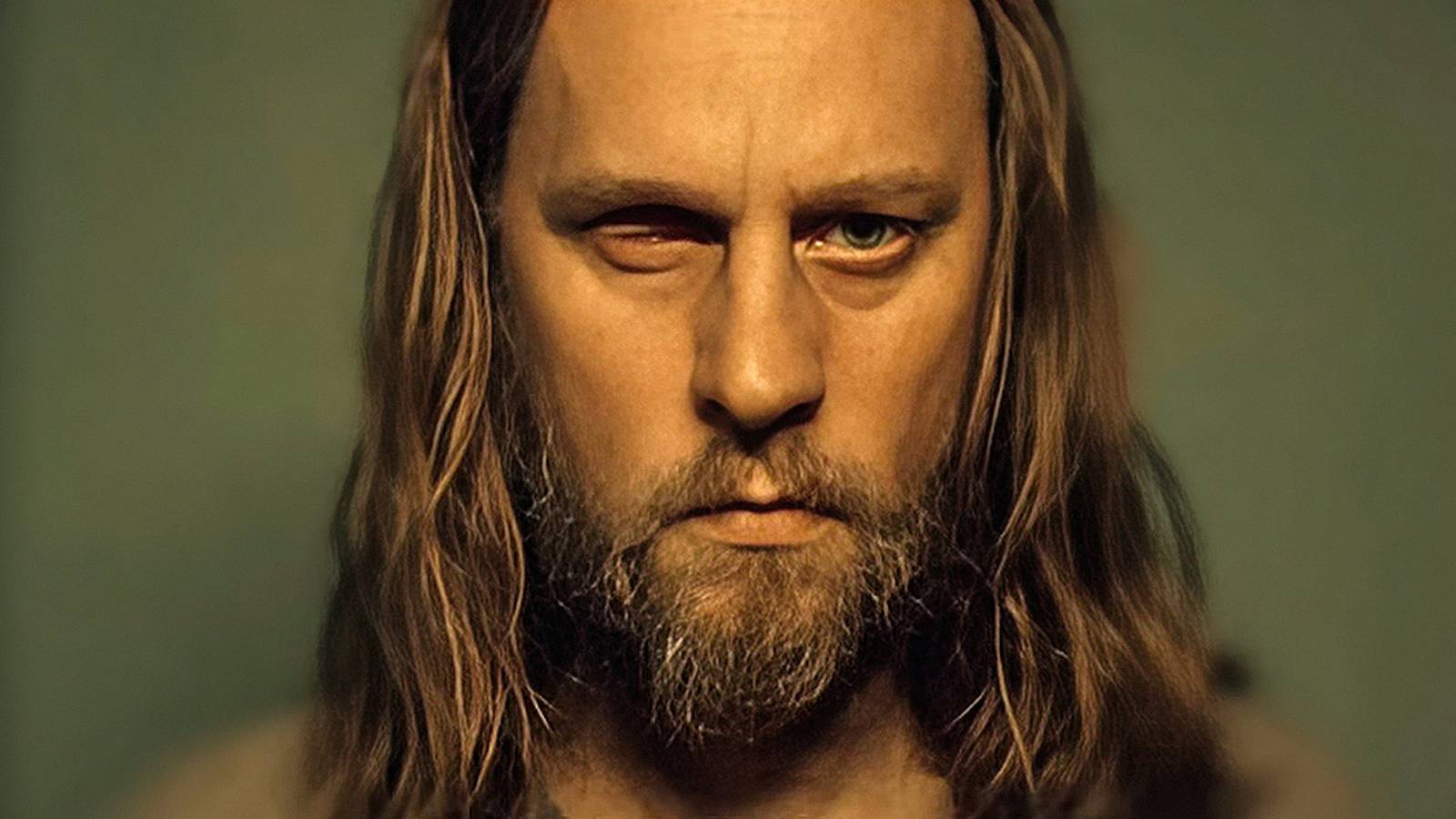
In a genre overflowing with content, the most chilling cinematic experiences often lurk just outside the mainstream spotlight. Over the past ten years, a wave of exceptional horror films has delivered profound scares without capturing blockbuster attention. This list celebrates those underappreciated treasures—movies that master atmosphere, psychological unease, and haunting ambiguity.
10. Oddity (2024)
This lean, Irish chiller from director Damian McCarthy is a masterclass in narrative economy. Carolyn Bracken delivers a phenomenal dual performance as a blind medium investigating her twin sister's murder and the sister herself. Arriving at the remote crime scene with a collection of cursed objects, she slowly uncovers a truth where human malice proves more terrifying than any ghost. The film builds to one of the most effectively chilling final shots in recent memory.
9. Censor (2021)
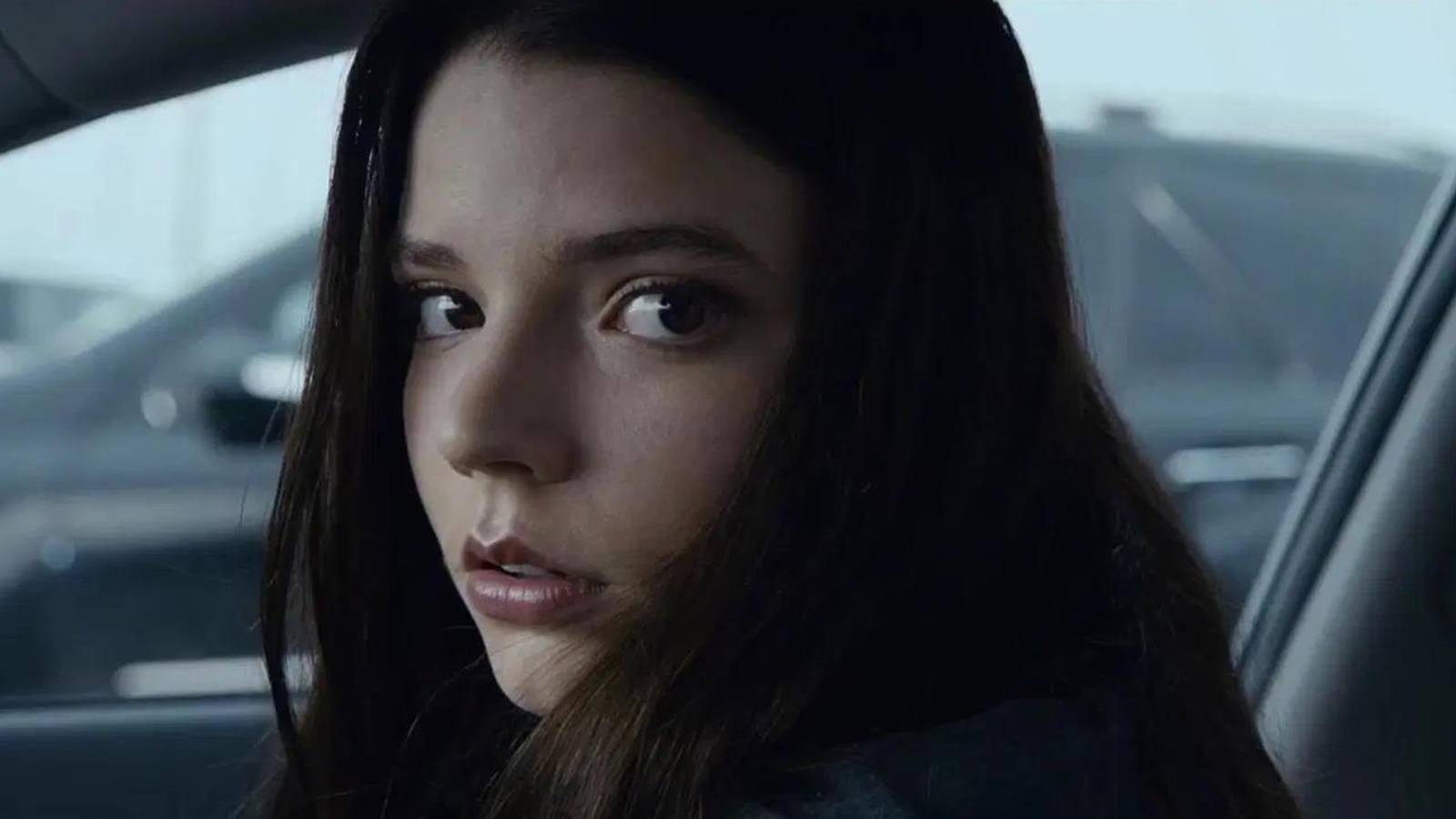
Set in the 1980s video nasty era, this smart psychological horror follows a film censor (Niamh Alger) whose grip on reality unravels after she reviews a movie that mirrors her own traumatic past. Clocking in at a tight 84 minutes, it's a visually striking meditation on horror itself, expertly recreating the grimy aesthetic of vintage exploitation films while blurring the lines between screen violence and personal memory.
8. A Dark Song (2017)
This grounded, intense tale follows a grieving mother (Catherine Walker) who hires an occultist (Steve Oram) to perform a dangerous ritual in an isolated house, hoping to contact her dead son. The horror builds through the exhausting, meticulous process and the fraught dynamic between the two leads. It's a rare film that treats ritual magic with solemn gravity, where the true terror lies in the psychological toll and the fear of having trespassed too far.
7. The Blackcoat's Daughter (2017)
Oz Perkins' directorial debut crafts profound dread from isolation. The story intertwines two students (Kiernan Shipka and Lucy Boynton) stranded at their boarding school over winter break with a mysterious young woman (Emma Roberts) traveling toward them. The film weaponizes empty spaces and subtle sound design to create a permeating sense of loneliness. Its intricate, withholding narrative structure forces viewers to piece together the sinister convergence themselves, much like the puzzle-box storytelling in Castle Rock: The Stephen King Adaptation That Mastered Psychological Horror.
6. Hatching (2022)
This Finnish body horror gem delivers a satirical and grotesque metaphor for familial pressure. Young gymnast Tinja (Siiri Solalinna), straining under her mother's perfectionism, discovers and nurtures a strange egg. It hatches a creature that grows into a human-sized, bird-like monster, physically manifesting her inner turmoil. The film brilliantly shifts tones between domestic drama and visceral horror, anchored by a stunningly designed creature that externalizes psychological decay.
5. The Autopsy of Jane Doe (2016)
A father-and-son coroner team (Brian Cox and Emile Hirsch) encounter the ultimate medical mystery when a pristine, unidentified body arrives at their morgue. As they perform the autopsy, every incision reveals impossible physiological contradictions, and a supernatural presence begins to awaken. Confined almost entirely to the morgue, the film derives relentless tension from clinical procedure spiraling into paranormal nightmare, proving that minimal settings can yield maximum fear.
4. Possessor (2020)
Brandon Cronenberg's sci-fi horror plunges into the brutal reality of corporate assassination via brain-implant technology. An agent (Andrea Riseborough) who occupies other people's bodies to commit murders begins to lose her own identity to her hosts. It's a visually stunning, unflinchingly violent exploration of self-erasure and fractured consciousness, prioritizing disturbing psychological concepts over conventional plot mechanics.
3. The Night House (2020)
Rebecca Hall gives a powerhouse performance as a widow who discovers her recently deceased husband was hiding sinister secrets about their lakeside home. As she investigates, the architecture itself seems to shift, revealing phantom reflections and hidden spaces. The film is a masterful exercise in grief-stricken horror, where the haunting may be supernatural, psychological, or a devastating blend of both.
2. His House (2020)
This critically acclaimed Netflix film follows a refugee couple from South Sudan struggling to adjust to their new life in a dilapidated English housing estate. Their trauma manifests as a terrifying presence within the walls of their assigned home. Remy Weekes' directorial debut brilliantly uses the horror genre to explore the lingering ghosts of war, displacement, and guilt, creating scares that are deeply rooted in emotional reality. It's a prime example of how streaming platforms can elevate unique horror visions, similar to how Zach Cregger's Horror Hit 'Weapons' Becomes Prime Video Juggernaut.
1. The Empty Man (2020)
Initially buried by studio mishandling, this epic supernatural mystery has since been rediscovered as a modern cult classic. A former detective investigates the disappearance of a girl, which leads him to a sinister urban legend and a secretive cult. Clocking in at over two hours, it builds an expansive mythology of existential dread, blending detective noir with cosmic horror in a way that feels both ambitious and deeply unsettling. Its journey from box-office bomb to revered sleeper hit mirrors the unpredictable lifecycle of genre films that eventually find their audience, much like the enduring legacy of the Saw franchise.
These films prove that horror's most potent scares often come from outside the franchise machine, favoring mood, idea, and character over familiar formulas. They are the perfect antidote for viewers seeking something beyond the usual jump-scare fare, offering chills that linger long after the credits roll. For a different kind of cinematic experience, you might explore Cinematic Comfort Food: 10 Movies to Soothe Your Soul once you've recovered from these nightmares.