The magic is taking shape, but the spell might be slightly shorter than some wizarding world enthusiasts had hoped. HBO's ambitious television adaptation of the Harry Potter saga has officially confirmed its episode count for the inaugural season, setting the stage for a detailed—yet concise—return to Hogwarts.
The Episode Count Revealed
In a new behind-the-scenes documentary titled Finding Harry: The Craft Behind the Magic, released early on HBO Max, key details about the series' structure have come to light. Actor John Lithgow, who is stepping into the formidable robes of Albus Dumbledore, confirmed that the first season will consist of eight episodes. This revelation provides the first concrete look at the show's pacing as it prepares to retell J.K. Rowling's beloved stories.
For fans dreaming of an ultra-expansive, scene-by-scene adaptation, an eight-episode run may feel somewhat restrained. The series has been heavily promoted as a more faithful and comprehensive retelling than the original film series, promising to explore storylines and characters beyond the core trio of Harry, Ron, and Hermione. This has led to speculation that a longer season, perhaps ten episodes, would be necessary to fulfill that promise. However, eight hours of television still represents a significant expansion over the two-and-a-half-hour runtime of the 2001 film, Harry Potter and the Sorcerer's Stone.
A Stellar Cast Assembles
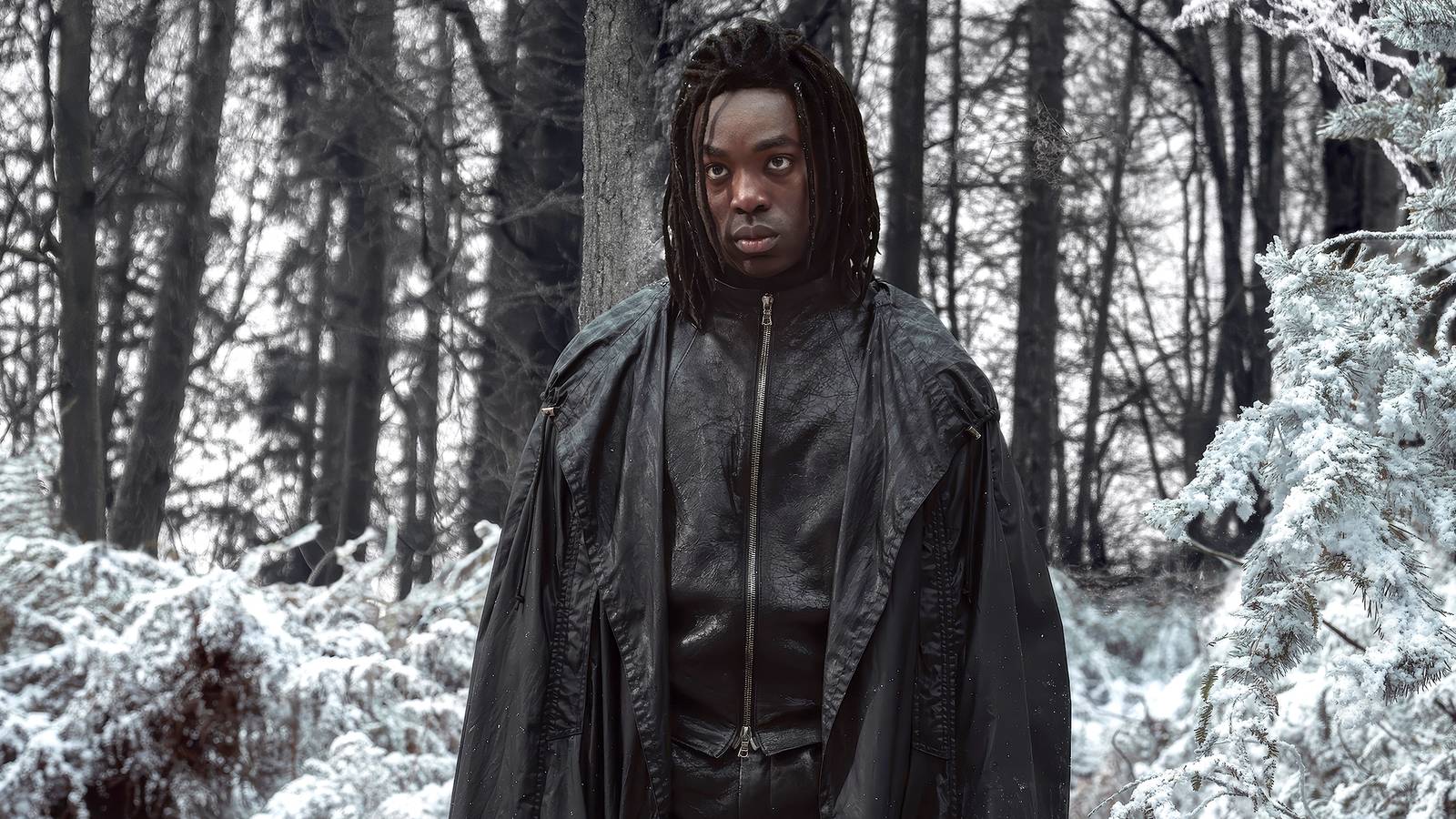
The series boasts a fresh and impressive ensemble cast tasked with bringing these iconic characters to a new generation. Leading the charge are Dominic McLaughlin as The Boy Who Lived, Harry Potter, Arabella Stanton as the brilliant Hermione Granger, and Alastair Stout as the loyal Ron Weasley. They are joined by a powerhouse of supporting talent including Janet McTeer as Professor Minerva McGonagall, Paapa Essiedu as the enigmatic Severus Snape, and Nick Frost as the gentle giant Rubeus Hagrid.
The wider cast list reads like a who's who of British acting talent, ensuring the halls of Hogwarts will be populated with compelling performances. Notable names include Warwick Davis returning to the wizarding world as Filius Flitwick, Katherine Parkinson as Molly Weasley, and Daniel Rigby and Bel Powley as the dreadful Dursleys, Vernon and Petunia.
What This Means for the Adaptation
An eight-episode structure suggests a focused, potentially fast-paced narrative for the first book. It indicates the creative team, led by showrunner Francesca Gardiner, is aiming for a tight adaptation that balances depth with momentum. This approach mirrors the discipline seen in other acclaimed series where every word and scene counts to build a compelling story. The challenge will be to deliver the promised expanded lore within this framework, potentially weaving in subplots from other characters' perspectives without losing the central narrative drive.
The series, officially titled Harry Potter and the Philosopher's Stone for its first season, is slated for a grand premiere during the Christmas 2026 holiday season. This gives the production ample time to perfect the visual effects and world-building required to do justice to the magical setting. The announcement solidifies the show as one of the most anticipated streaming events on the horizon, promising to redefine a classic story for television. It joins a slate of major franchise expansions, much like the planned developments for Avatar's future films, which are also navigating audience expectations and narrative scale.
While the episode count may temper some expectations, it also sets a clear precedent for the series' format. If successful, this model could define how subsequent seasons adapt the remaining books, each of which grows in length and complexity. The pressure is on for this adaptation to cast its own unique spell, proving that sometimes, magic is about precision as much as it is about scale.