Guillermo del Toro's recent, Oscar-tipped adaptation of Frankenstein has reignited fascination with Mary Shelley's timeless tale. While praised for its cerebral and visually stunning interpretation, del Toro's film freely reimagines the source material. For viewers seeking a cinematic experience that hews closely to Shelley's 1818 novel, the definitive version isn't new—it's waiting for you on HBO Max.
The 1994 Epic That Earned the Author's Name
Released in 1994 and boldly titled Mary Shelley's Frankenstein, Kenneth Branagh's film was a passion project produced by Francis Ford Coppola. Branagh directed and starred as the ambitious Victor Frankenstein, with Robert De Niro taking on the monumental role of the Creature. At the time, its grand, operatic style divided critics, but history has been kinder. The film's commitment to the novel's core tragedy, rather than the familiar monster movie tropes popularized by Universal Pictures, is now seen as its greatest strength.
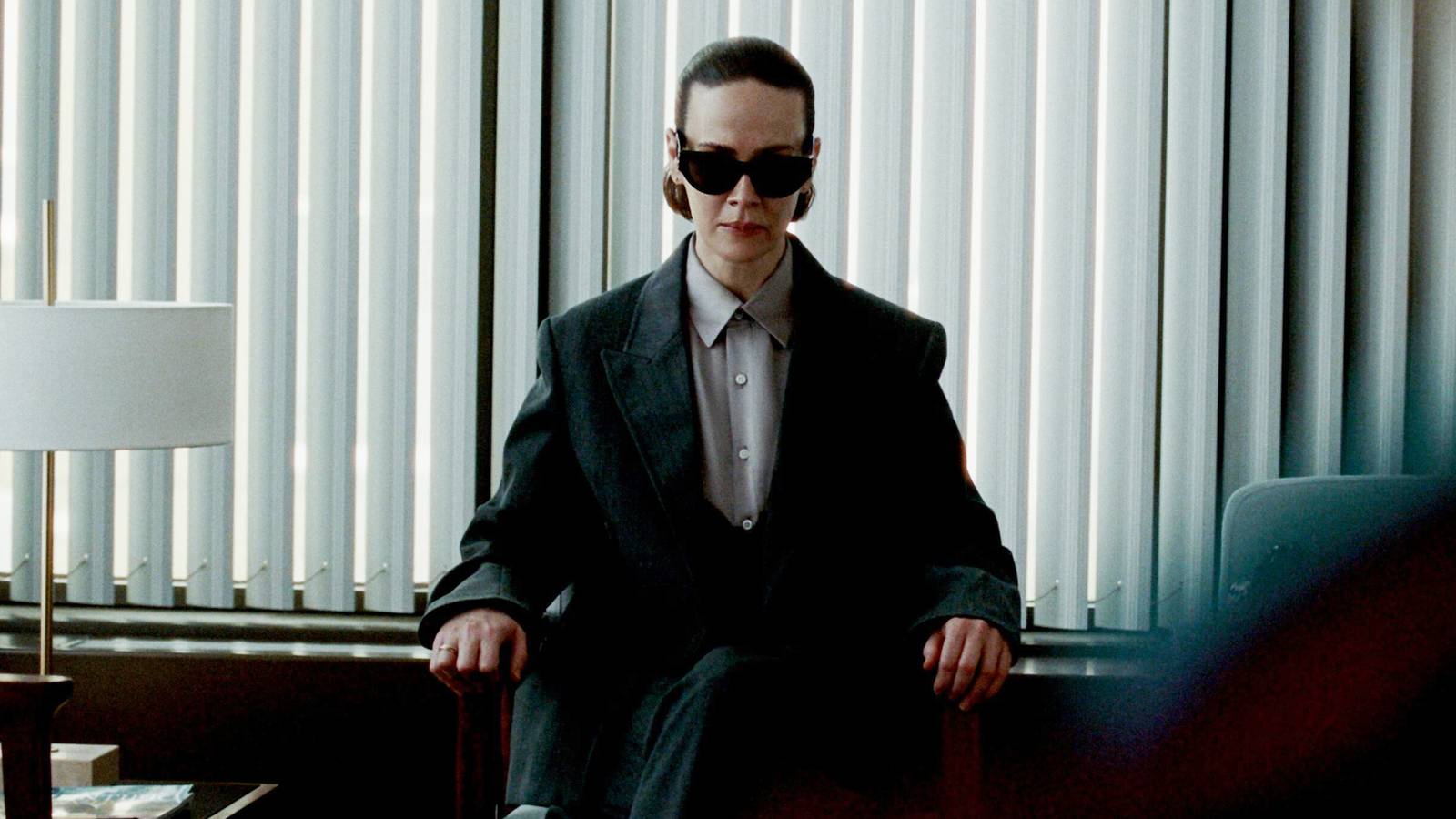
Where many adaptations borrow the hulking, inarticulate monster from James Whale's 1931 classic, Branagh's film returns to Shelley's original conception. The plot faithfully follows Victor's journey from a grief-stricken student to a 'modern Prometheus' who animates a being assembled from corpses. It includes key, often-omitted narrative threads involving Victor's younger brother William and the family nursemaid Justine, whose fates are tragically intertwined with the Creature's wrath.
Robert De Niro's Masterful, Literary Monster
The film's crowning achievement is Robert De Niro's performance as the Creature. Moving far from Boris Karloff's iconic but silent portrayal, De Niro embodies the novel's eloquent, philosophical, and profoundly lonely being. He studied stroke victims to develop a halting, authentic voice and underwent extensive makeup to become the scarred, tragic figure. His performance brings heartbreaking pathos to the Creature's journey of self-education, betrayal, and vengeful fury, making him a figure of sympathy rather than mere terror.
Helena Bonham Carter co-stars as Elizabeth, Victor's adopted sister and love interest, whose fate becomes a central point of conflict. The film's visual extravagance, reminiscent of Coppola's own Bram Stoker's Dracula, was considered over-the-top in the '90s but feels perfectly aligned with today's maximalist genre fare like Poor Things. While it takes one major liberty with Elizabeth's story in the third act, its overall plot adherence is unmatched.
Why Faithfulness Matters in a Sea of Adaptations
New interpretations like del Toro's are valuable, exploring themes of love, creation, and fatherhood through a distinct lens. However, they often introduce new dynamics, such as changing the Creature's relationship with other characters. Branagh's film serves as a vital cinematic companion to the book. It strips away pop culture additions like the hunchbacked assistant Igor and focuses on Shelley's core themes: the perils of unchecked ambition, the responsibilities of a creator, and the profound isolation of being an outcast.
For fans of gothic atmosphere, the film is a treasure trove. Its production design and frenetic energy capture the Romantic era's obsession with life, death, and the sublime. It’s a fascinating companion piece to Branagh's later forays into mystery, like the Agatha Christie adaptation 'A Haunting in Venice'. Both showcase his flair for dramatic, character-driven stories wrapped in a chilling aesthetic.
Three decades later, Mary Shelley's Frankenstein stands as a bold, flawed, but ultimately triumphant attempt to translate a literary masterpiece to the screen with reverence. Its current availability on HBO Max offers a perfect opportunity to revisit this ambitious epic. In an era of constant reinterpretation, it remains the high-water mark for fidelity, proving that sometimes the most compelling way to honor a classic story is to trust the original text. For more on how classic stories find new life on screen, check out our look at why 'M*A*S*H' remains the ultimate binge-watch.