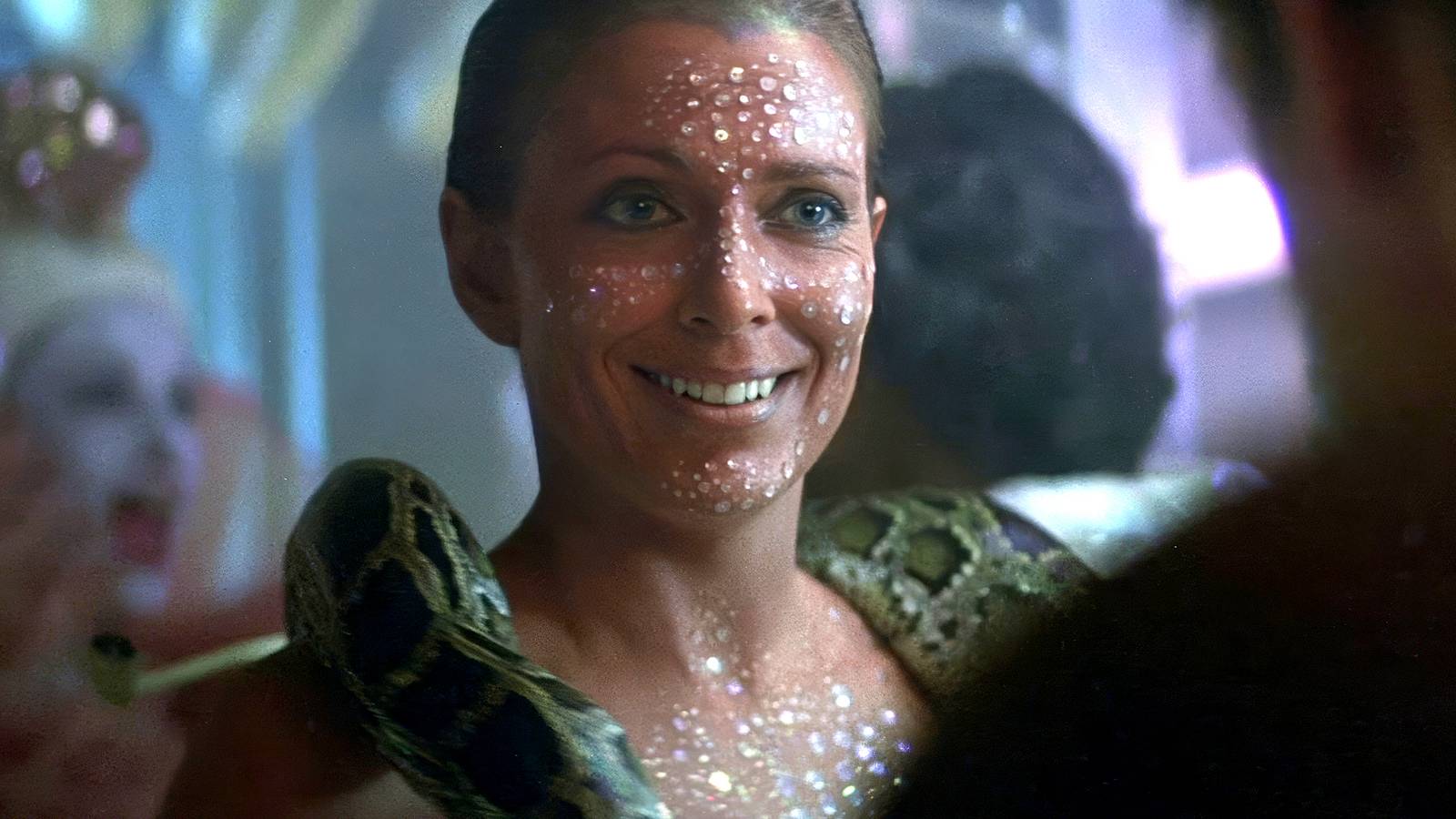
Decades after its initial release, Ridley Scott's groundbreaking sci-fi film Blade Runner is proving its timeless appeal with a powerful resurgence on streaming platforms. According to recent data, the 1982 classic, starring Harrison Ford, has stormed back into the cultural conversation, securing a top spot on the domestic iTunes movie charts in April 2026.
A Slow Burn to Masterpiece Status
Unlike many of today's instant blockbusters, Blade Runner's journey to acclaim was anything but straightforward. Upon its theatrical debut, the film was met with a mixed reception and underwhelming box office returns. It was only through subsequent re-edits and the passage of time that Scott's neo-noir vision of a rain-soaked, dystopian Los Angeles was fully appreciated. Today, it holds a "Certified Fresh" 89% score on Rotten Tomatoes, with critics hailing it as a "visually remarkable, achingly human sci-fi masterpiece."

Scott's Dual Streaming Victories
The streaming success of Blade Runner arrives alongside notable performance for other Ridley Scott films, creating a mini-renaissance for the director's catalog online. This includes titles ranging from the sci-fi horror of Alien: Covenant to the epic scale of Exodus: Gods and Kings. Interestingly, this surge coincides with fresh audience interest in another Scott-related project: the recent film Project Hail Mary, which has now surpassed the domestic box office total of Scott's own The Martian. Both films share a creative lineage, being adaptations of Andy Weir novels with scripts by Drew Goddard.
The Legacy of a Future Noir
Blade Runner's influence is immeasurable, shaping the visual and thematic language of science fiction for generations. Its exploration of identity, memory, and what it means to be human continues to resonate. The film's legacy was formally extended with the 2017 sequel, Blade Runner 2049, directed by Denis Villeneuve. That critically adored film brought back Harrison Ford and introduced Ryan Gosling in a leading role. Gosling, coincidentally, stars in the aforementioned Project Hail Mary, creating a fascinating connective thread across decades of sci-fi cinema.
For fans looking to dive deeper into revered classics finding new life online, our look at Rachel Weisz's 'The Mummy' Is a Streaming Cult Classic on HBO Max explores a similar phenomenon. Meanwhile, if you're in the mood for more mind-bending sci-fi, don't miss our feature on the Lost on Hulu: The Sci-Fi Classic That Gets Better Every Time You Watch.
Why Now? The Enduring Allure of Practical Futures
The reasons for Blade Runner's latest peak are multifaceted. In an era of glossy, CGI-heavy blockbusters, Scott's meticulously crafted, tactile world—built with stunning miniatures and in-camera effects—offers a uniquely immersive and gritty experience. The film's philosophical questions about technology and consciousness feel more relevant than ever. Furthermore, the star power of a young Harrison Ford at the height of his fame, following Star Wars and Raiders of the Lost Ark, continues to draw new viewers curious about this pivotal chapter in his career.
This isn't the only instance of a director's older work finding a streaming audience. Similar redemption arcs are happening across platforms, as seen with Ridley Scott's 'Exodus: Gods and Kings' Finds Streaming Redemption on Tubi in 2026.
A Testament to Timeless Storytelling
The sustained popularity of Blade Runner on iTunes and other services is a powerful reminder that great storytelling transcends its era. It confirms the film's status not just as a cult favorite, but as a pillar of cinematic history that each new generation discovers and claims for itself. As viewers continue to flock to its rain-drenched streets and grapple with the mysteries of the Tyrell Corporation, Ridley Scott's vision proves it is truly unstoppable.