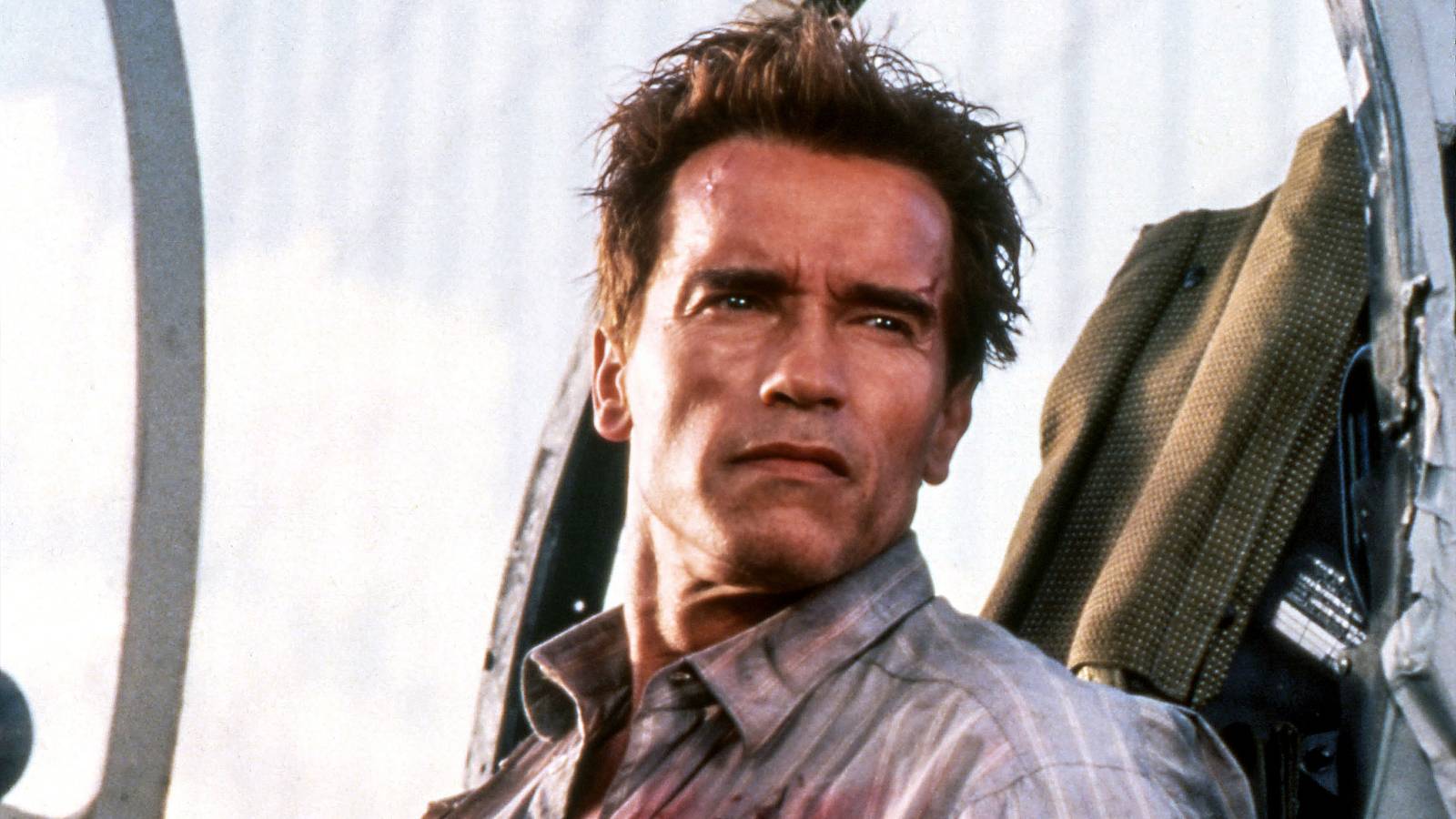
In 1993, Harrison Ford and Tommy Lee Jones delivered one of the most electrifying action thrillers ever made with The Fugitive. The film, which followed Dr. Richard Kimble as he hunted for his wife's killer while evading a relentless U.S. Marshal, earned seven Oscar nominations and a Best Supporting Actor win for Jones. Three decades later, it's still hailed as a genre-defining classic. But its 1998 sequel, U.S. Marshals, which brought back Jones alongside Wesley Snipes, was a critical and commercial disappointment. What made the original so perfect, and why did the follow-up fall so flat?
The Magic of The Fugitive
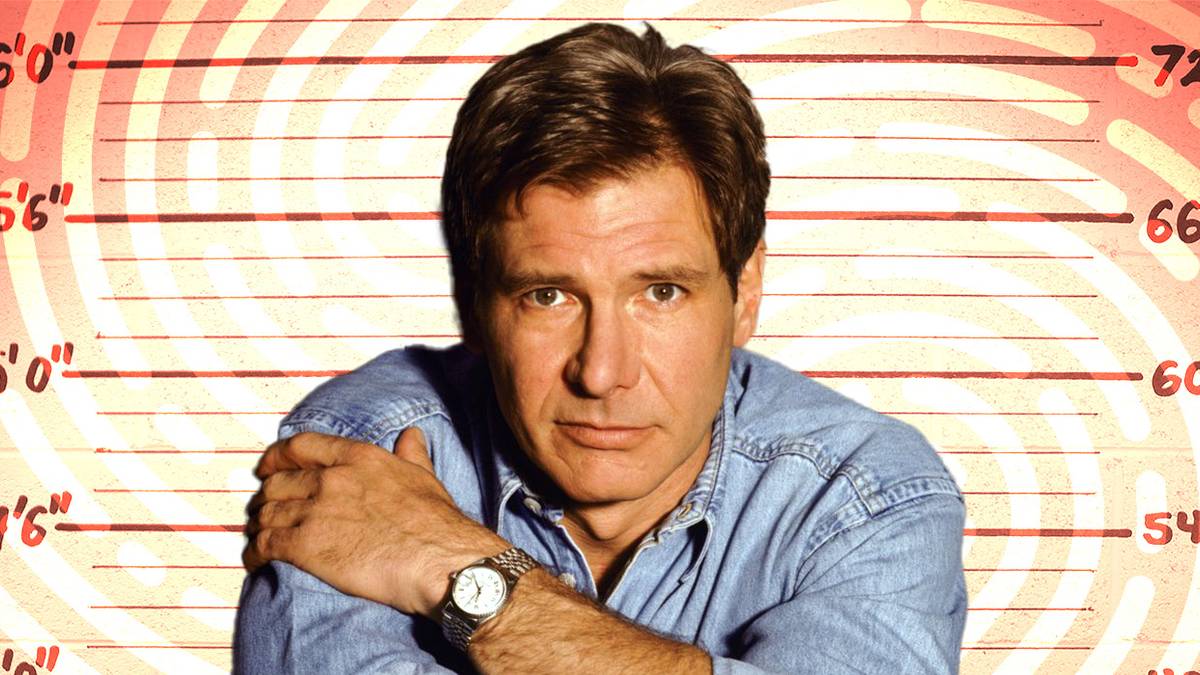
At the time of The Fugitive, Harrison Ford was already a global superstar, thanks to iconic roles as Han Solo and Indiana Jones. But this film was a risky departure. Based on the 1960s TV series, it required Ford to play a vulnerable everyman—a doctor wrongly accused of murder, terrified but determined. Unlike his usual cocky heroes, Kimble is scared, resourceful, and utterly human. The film's tension is a ticking clock: we know he's innocent, but the authorities don't, and we're desperate for him to prove it before they catch up.
What elevates The Fugitive to masterpiece status is the dynamic between Ford and Tommy Lee Jones as Deputy U.S. Marshal Sam Gerard. Gerard is the perfect foil—a gruff, by-the-book lawman who becomes unexpectedly likable. We root for Kimble, but we also hope Gerard will see the truth. The script by Jeb Stuart and David Twohy, combined with Andrew Davis's direction, creates a smart, taut thriller that keeps audiences on edge. It's no wonder the film grossed $177 million domestically and holds a 96% Tomatometer score.
The Sequel That Missed the Mark
Five years later, Warner Bros. attempted to recapture that magic with U.S. Marshals. Without Harrison Ford, the only logical path was to follow Sam Gerard on a new case. This time, Gerard and his team (including Joe Pantoliano) pursue Wesley Snipes's Mark Roberts, a fugitive accused of murder. Robert Downey Jr. joins as Special Agent John Royce. On paper, it sounds promising, but the execution fell short.
Directed by Stuart Baird in only his second feature, U.S. Marshals feels like a generic action movie rather than a smart thriller. The plot is convoluted, the twists are predictable, and the tension is missing. Snipes gives his best, but he's no Harrison Ford, and the film struggles to escape Ford's shadow. Critics panned it, giving it a 31% Tomatometer score, and audiences stayed away—it earned just $57 million domestically. Roger Ebert summed it up: "I hoped it would approach the taut tension of the 1993 film, and it doesn't."
Why U.S. Marshals Failed
The sequel's biggest problem was that it forgot what made The Fugitive great. The original was a cat-and-mouse game with emotional stakes and a hero we cared about. U.S. Marshals traded that for generic action set pieces and a less compelling lead. Without Ford, the film lacked the heart and intelligence that defined its predecessor. It's a cautionary tale about sequels that chase nostalgia without understanding the source material.
For fans of classic thrillers, The Fugitive remains a must-watch. If you're looking for similar gems, check out our list of Forgotten Detective Movies That Aged Like Fine Wine. And if you're in the mood for a star-studded heist thriller, Triple 9 might be your next binge.