In an era where legal dramas often rely on high-stakes twists and polished resolutions, L.A. Law stands apart with a quiet confidence that feels almost revolutionary today. Now streaming on Hulu, this 1980s classic doesn't chase spectacle—it thrives on realistic conversations, messy compromises, and decisions that linger long after the credits roll. It's a working template that many modern procedurals, from The Good Wife to Suits, still circle back to, whether they acknowledge it or not.
Watching L.A. Law in 2025 offers a unique lens. Today's prestige TV often spells out its themes with heavy-handed clarity, polishing every edge until nothing feels accidental. But this series was comfortable with unevenness. Scenes stretch past where you'd expect a cut, characters double back on themselves, and outcomes rarely leave anyone unchanged. It's not just about spotting the blueprint for later hits—it's about noticing what got streamlined in the four decades since.
No Clean Victories Here
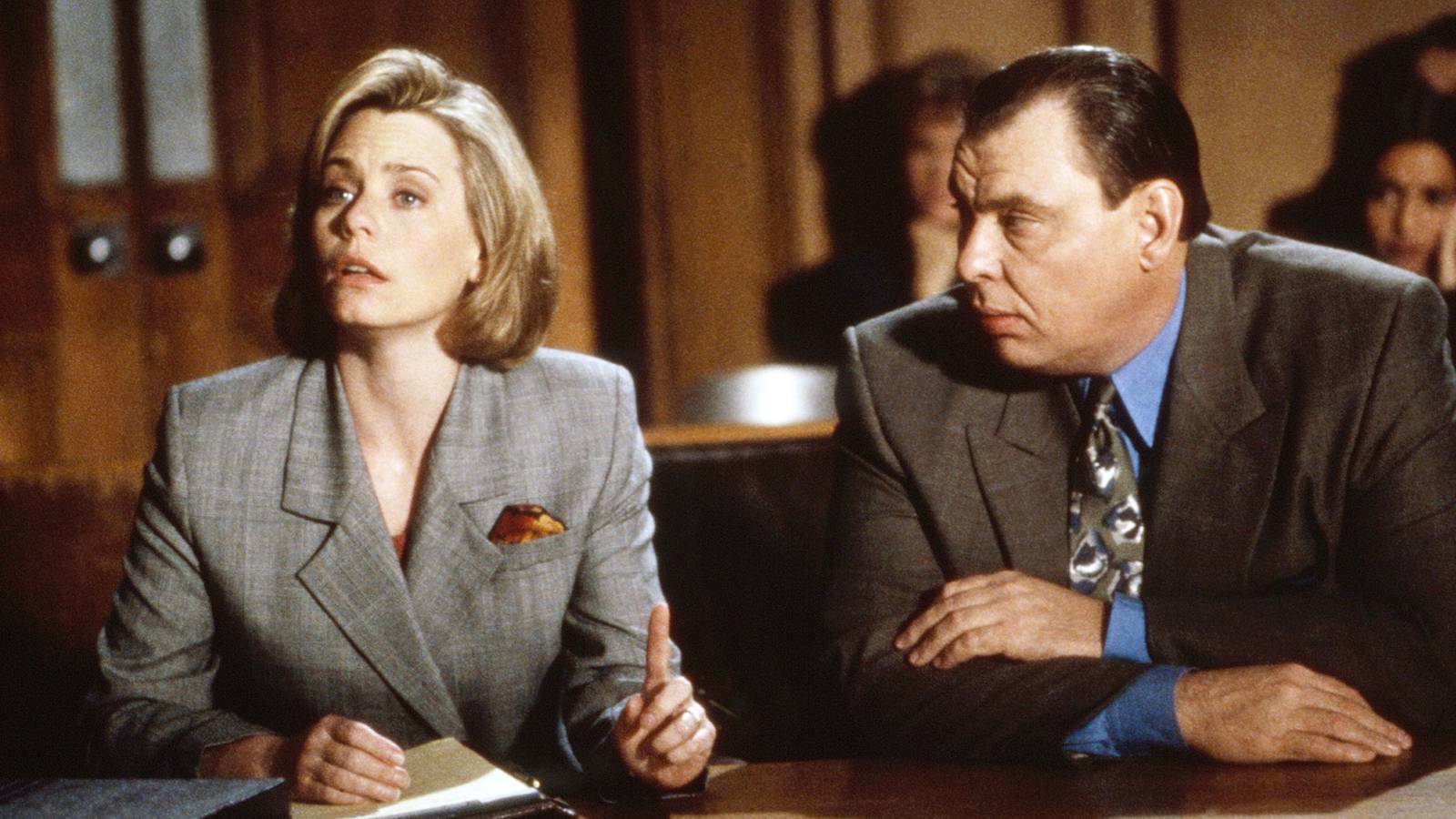
Set at the high-powered Los Angeles firm McKenzie, Brackman, Chaney & Kuzak, the show follows idealistic lawyer Michael Kuzak (Harry Hamlin), slick divorce expert Arnie Becker (Corbin Bernsen), and powerful litigator Ann Kelsey (Jill Eikenberry). Unlike many modern legal dramas, L.A. Law rarely rushes to resolution. Cases land with compromises and lasting consequences instead of clean victories. In the episode “Raiders of the Lost Bark,” Kuzak watches Stacey Gill (Barbara Bosson) reject a massive settlement to force the truth into the open. The scene moves on, but the look on his face lingers, leaving you with the unsettled feeling that nothing was resolved neatly. That's a gamble many shows today sidestep—they chase clarity, but L.A. Law was fine letting audiences sit in uncertainty.
A Firm on the Brink
The office itself felt like a powder keg. Every conversation carried tension, as if it could all blow up if someone was pushed too far. Ego, ambition, and survival layered into every interaction, so you weren't just tracking cases—you were watching alliances shift in real time. In “The Venus Butterfly,” relationships and loyalties blur under pressure, with partners backing each other one moment and pulling away when the cost gets too high. It made the firm feel alive in a way that goes beyond the weekly procedural plot, much like the gritty dynamics in Tom Hardy's 'Taboo' or the intricate power plays in 'Narcos'.
Power in the Small Moments
Where L.A. Law truly separates itself is in how it handles power—not the big, obvious moments, but the smaller ones: conversations in hallways, decisions made behind closed doors, where ethics don't disappear but start to bend. You see it in arcs like Rosalind Shays’ (Diana Muldaur) rise, where ambition isn't framed as a flaw but as a force that reshapes everything around it. You see it in the firm's handling of corporate clients, where “doing the right thing” becomes less about principle and more about calculation. The show isn't cynical—it doesn't sneer at its characters for playing the game. It just shows you the rules as they actually function. And once you see them that way, it's hard to go back to anything more simplified.
There might be a temptation to treat L.A. Law as mere nostalgia, to name it as the origin point and leave it there. But watching it now reveals a different truth. The pacing is slower, the tone less polished, and it doesn't move with the urgency modern shows rely on. Yet that difference is part of why it works—it gives the story room to settle without unnecessary exposition. In a landscape that often leans toward over-explanation, that restraint stands out. Streaming on Hulu doesn't just make it accessible again; it becomes a show that still has something to say. The gold standard for legal dramas didn't appear fully formed—it started here, and it's still holding up better than most of what tried to follow it, much like the enduring appeal of British detective dramas or the narrative depth in crime dramas that outshine 'Breaking Bad'.