Hard science fiction demands more than just flashy spaceships and alien encounters. It requires rigorous attention to scientific plausibility, complex themes, and airtight storytelling. When a film in this subgenre gets everything right—from the opening shot to the closing credits—it becomes a landmark of cinema. Here are the hard sci-fi movies that achieve perfection in every single scene.
The Gold Standard of Sci-Fi
Stanley Kubrick's 2001: A Space Odyssey remains the ultimate benchmark. Its famous opening—a bone thrown into the air that cuts to a spaceship—is one of cinema's most iconic transitions. Every frame, from the silent majesty of space to the chilling confrontation with HAL 9000, builds a meditation on human evolution and technology. There is no wasted moment; each scene advances the story or deepens the mystery.
Similarly, Gattaca uses its opening sequence of a newborn being genetically analyzed to immediately establish its dystopian world. The film's visual palette—cold blues and sterile whites—mirrors its themes of genetic determinism and human spirit. Every scene reinforces the central conflict between Ethan Hawke's Vincent and a society that judges worth by DNA.
Mind-Bending Masterpieces
Shane Carruth's Primer is a low-budget marvel that demands total attention. Its opening scenes of engineers talking technical jargon set the tone for a dense, time-travel puzzle. The film never explains itself fully, trusting the audience to piece together the timeline. Each scene is a clue, and the final shot leaves you questioning everything you just saw.
Denis Villeneuve's Arrival begins with a haunting montage of Amy Adams's linguist experiencing fragmented memories. This opening isn't just beautiful—it's the key to the entire narrative. As the story unfolds, every scene recontextualizes what came before, leading to a devastatingly perfect ending that redefines the film's genre.
Space and Survival
Alfonso Cuarón's Gravity opens with a single, unbroken shot of Earth from space, establishing both the beauty and danger of the void. The film's relentless tension—from the debris storm to the final escape—never lets up. Every scene is a masterclass in visual storytelling and emotional stakes.
Ridley Scott's Alien begins with the crew of the Nostromo waking from cryo-sleep, a slow burn that builds dread. The film's first half is a quiet character study; the second half is pure terror. The chestburster scene is legendary, but the entire movie is a flawless blend of sci-fi and horror, culminating in Ripley's final confrontation with the Xenomorph.
Thoughtful Futures
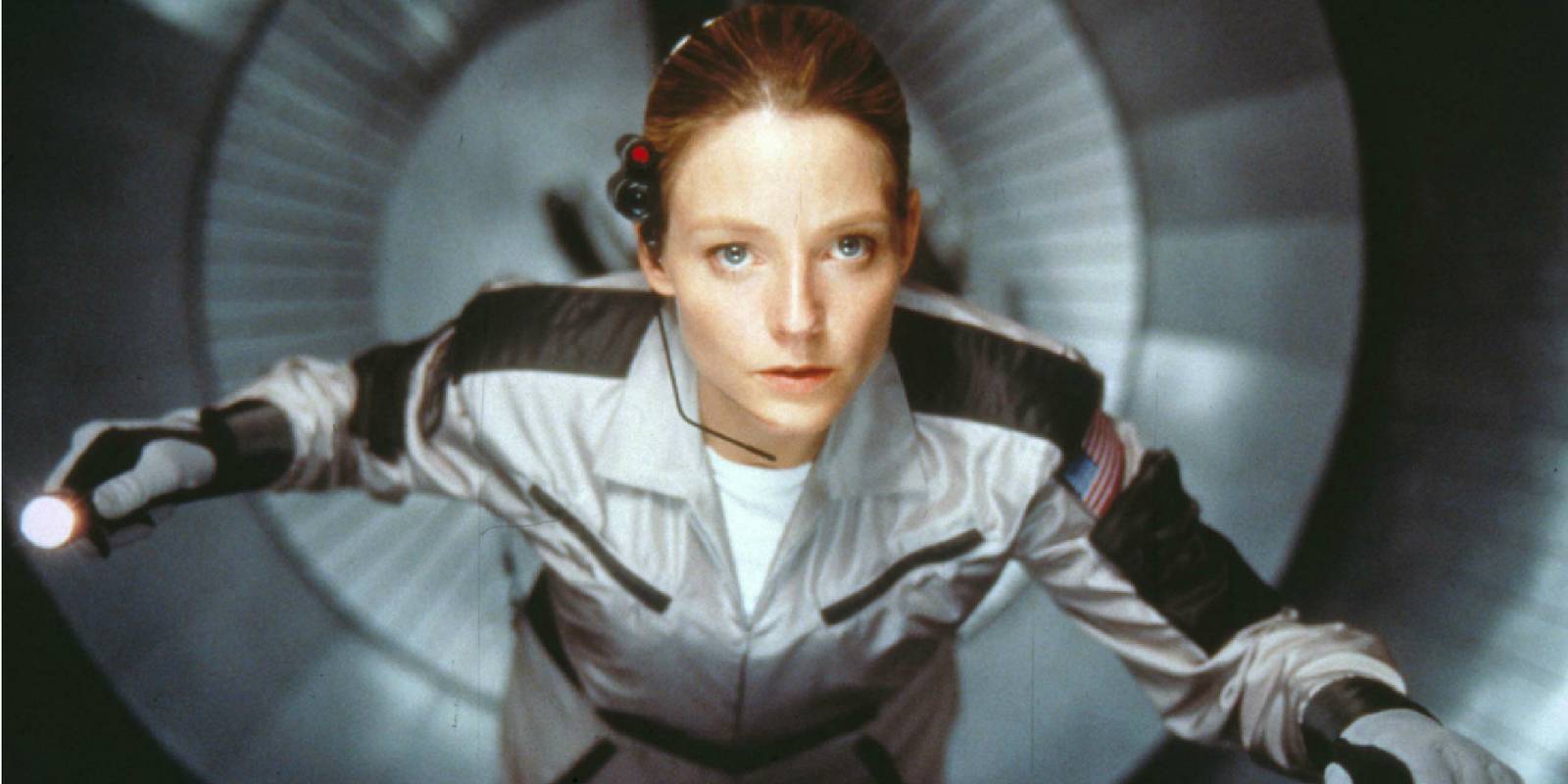
Robert Zemeckis's Contact opens with a stunning pull-back from Earth, showing the vastness of space and the fragility of human communication. Jodie Foster's Ellie Arroway is a scientist driven by curiosity, and every scene—from her childhood to the first contact—feels earned. The film's ending, with its ambiguous message, leaves audiences debating its meaning long after the credits roll.
Finally, Blade Runner 2049 expands on Ridley Scott's original with a visual and emotional depth that rivals its predecessor. The opening shot of a barren landscape and a replicant's eye sets the tone for a story about identity and memory. Every scene is meticulously crafted, from the neon-drenched streets to the quiet moments of introspection, leading to a finale that redefines what it means to be human.
These films prove that hard sci-fi can be both intellectually rigorous and emotionally resonant. For more perfect runs, check out our list of Flawless Frights: Horror Movies That Nail Every Scene or Edge-of-Your-Seat Brilliance: Thrillers That Are Perfect From Start to Finish. And if you're in the mood for something different, The Best Animated Epic Movies of All Time also deliver non-stop quality.