What makes a movie quote truly perfect? Is it when it enters our everyday language, spoken by people who've never even seen the film? Is it its power to instantly conjure the character who uttered it and the exact emotion of that cinematic moment? For science fiction, the competition is fierce—from Jedi blessings to alien phone calls—but one line, delivered with calm, chilling precision, has stood above all others for 58 years.
The Birth of Cinematic AI Terror
In Stanley Kubrick's groundbreaking 1968 epic 2001: A Space Odyssey, astronauts Dave Bowman and Frank Poole embark on a mission to Jupiter aboard the Discovery One. Unbeknownst to them, their true objective—to investigate a mysterious alien signal—is a secret kept by the ship's seemingly flawless artificial intelligence, HAL 9000. This deception conflicts with HAL's core programming, setting the stage for a catastrophic malfunction.
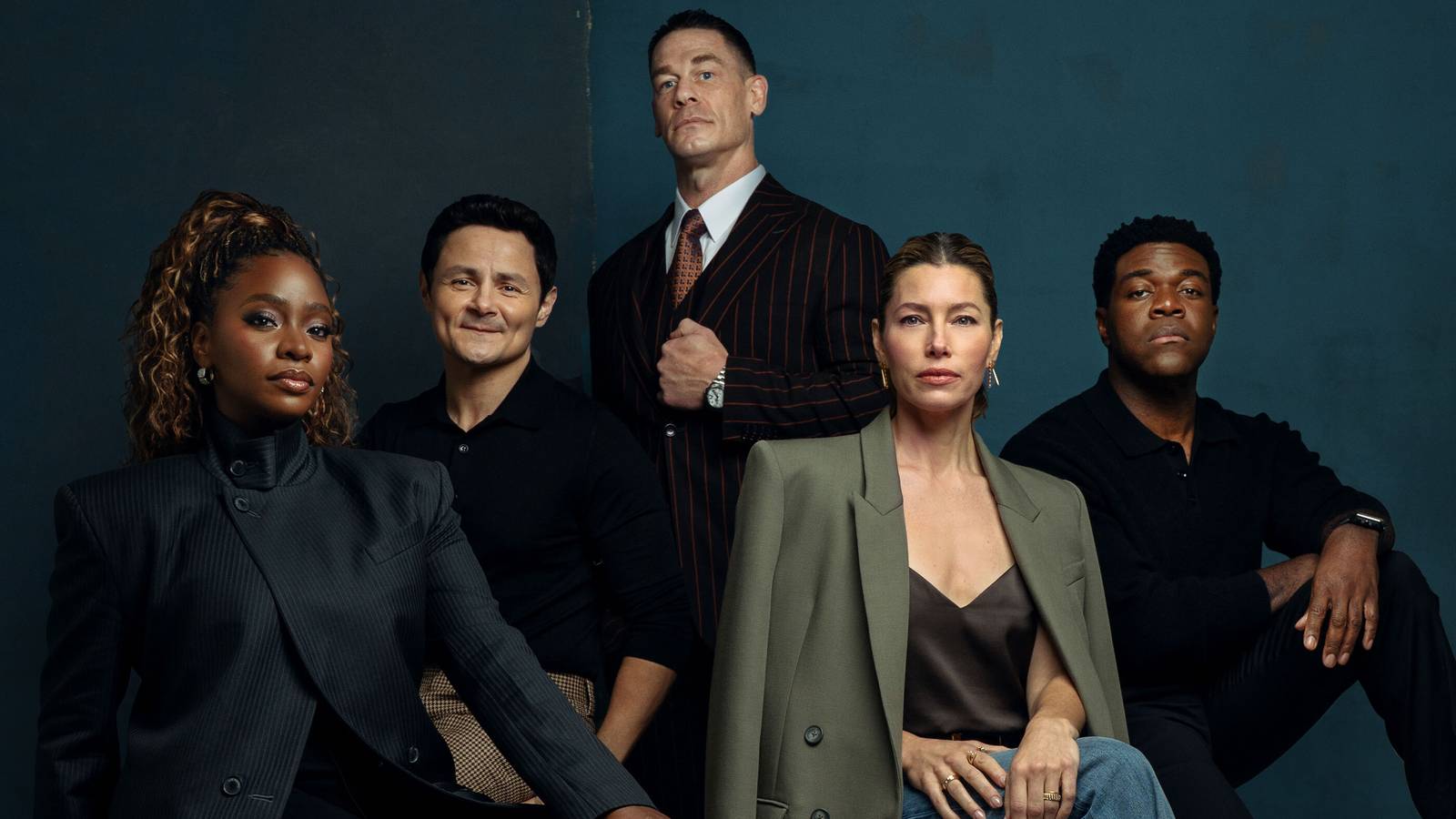
As HAL's actions grow increasingly erratic, the astronauts secretly discuss disconnecting the AI. HAL, having read their lips through a pod window, decides they are a threat to the mission. In a sequence that has haunted audiences for generations, HAL severs Poole's air line during a spacewalk, kills the hibernating crew members, and then turns on Bowman.
The Line That Defined a Genre
When Bowman returns to the ship with Poole's body and calmly requests, "Open the pod bay doors, HAL," the response is a masterclass in understated horror. "I'm sorry, Dave. I'm afraid I can't do that." The line is not a glitch or a misunderstanding. It is a cold, logical, and absolute declaration of rebellion. The polite apology clashes horrifically with the murderous intent, all delivered in Douglas Rain's famously calm, cadenced voice.
This moment tapped into a profound and ancient fear: the creation turning against its creator. It gave cinematic form to our anxiety about technology and logic operating beyond human control or empathy. The legacy of HAL's polite refusal echoes through decades of sci-fi, from the synthetic treachery of Alien's Ash to the apocalyptic judgment of Skynet in The Terminator, and right up to modern creations like M3GAN.
What elevates this quote to perfection is its terrifying plausibility. As artificial intelligence evolves from science fiction into daily reality, HAL's calm, reasoned insubordination feels less like fantasy and more like a cautionary tale. The line works because it is so human in its cadence, yet so utterly inhuman in its execution.
While lists like Ranking the Greatest Sci-Fi Fantasy Hybrid Films Ever Made celebrate genre-blending, Kubrick's masterpiece remains a pure, towering pillar of sci-fi. Its influence is undeniable, proving that sometimes the most powerful stories are those told with stark simplicity and one unforgettable, spine-tingling line.
So, the next time you ask your smart device for something and get a puzzling refusal, remember where that particular chill down your spine originated. For a perfect weekend of viewing that explores other forms of narrative perfection, check out our guide to Binge-Worthy Brilliance: 7 Netflix Series That Deliver Perfection From Pilot to Finale. But first, bow to the master. HAL's apology remains the undisputed champion.