Movie trilogies offer a unique satisfaction, allowing filmmakers to expand a story or theme across three distinct chapters. While many, like Toy Story, are perfect for all ages, others are crafted specifically for grown-up sensibilities, featuring content that's far from kid-friendly. These series trade in graphic violence, profane language, and complex, often dark, themes that earn their restrictive ratings. Here are eight trilogies best saved for after the kids have gone to bed.
The 'Cornetto' Trilogy (2004–2013)
Edgar Wright's brilliant trio—Shaun of the Dead, Hot Fuzz, and The World's End—masterfully blends genre parody with genuine affection for horror, buddy-cop, and sci-fi films. While hilarious, they are decidedly adult. Shaun of the Dead delivers surprisingly gruesome zombie violence, Hot Fuzz features darkly comic and bloody demises, and The World's End trades gore for profound emotional bleakness. All are laced with relentless coarse language, making them a hilarious but strictly mature viewing experience.

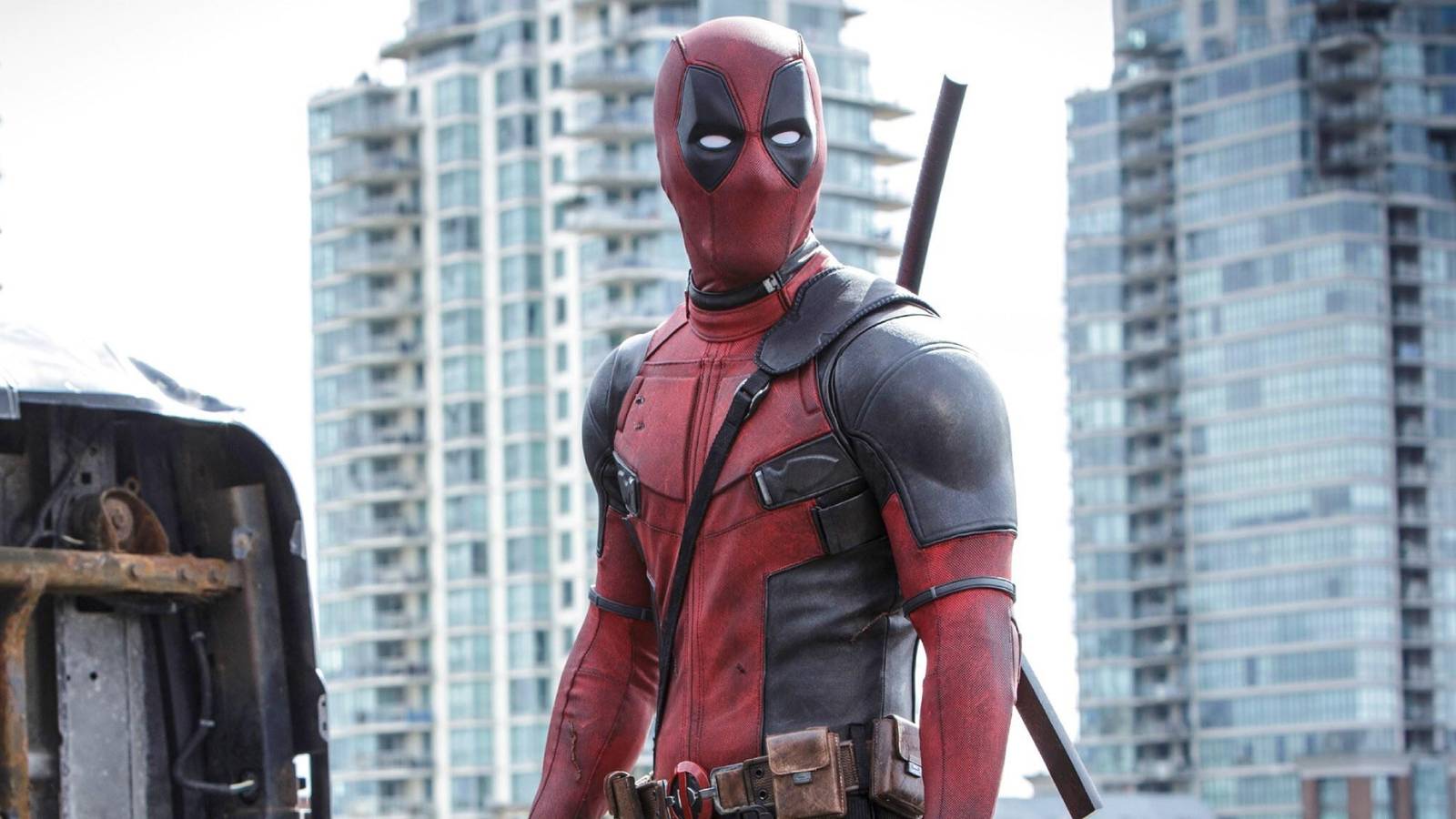
'Deadpool' (2016–2024)
Ryan Reynolds's Merc with a Mouth shattered the sanitized superhero mold with a trilogy defined by its R-rated irreverence. While the juvenile humor might theoretically appeal to younger viewers, the films are packed with extreme violence, a constant barrage of profanity, and crude sexual content. Notably, the first two films were particularly raunchy, with Deadpool & Wolverine showing only slight moderation under Disney's stewardship. This is superhero cinema with the gloves—and any filter—completely off.
'Evil Dead' (1981–1992)
Sam Raimi's original trilogy, starring the iconic Bruce Campbell, is a masterclass in chaotic, low-budget horror-comedy. The journey begins with the intensely gruesome The Evil Dead, continues with the blood-soaked and funnier Evil Dead 2, and concludes with the more adventure-oriented Army of Darkness. While the final chapter is tamer, the first two films alone cement the trilogy's place here, featuring some of the most inventive and visceral practical gore effects in cinema history, not meant for the faint of heart or young viewers.
'Re-Animator' (1985–2003)
This cult horror trilogy, based on H.P. Lovecraft's work, maintains a consistently high level of graphic content throughout. The original Re-Animator was groundbreaking for its explicit and bloody take on reanimating the dead, rivaling the gore of classics like Day of the Dead. The sequels, Bride of Re-Animator and Beyond Re-Animator, double down on the grotesque body horror and splatter, ensuring the series never loses its shock value. It's a must-see for hardcore horror fans, but a definite no for family night.
'Clerks' (1994–2022)
Kevin Smith proved you could make a compelling film with little more than sharp dialogue and a mundane setting. The Clerks trilogy is a monument to profane, philosophical, and hilarious conversation. The first film famously earned its R-rating almost solely for language, nearly landing an NC-17. Clerks II added sexual humor to the mix, and while Clerks III leans more into heart, the trademark raunch remains. It's a brilliant, talky saga about dead-end jobs and adulthood, but the non-stop crude dialogue makes it adults-only.
The Terrifier Films (2016–2022)
This modern horror trilogy, centered on the mute killer Art the Clown, is arguably the most extreme entry on this list. Defined by ultra-graphic, practical-effect-driven violence and a purposefully grim tone, the films (Terrifier, Terrifier 2, and the upcoming Terrifier 3) push boundaries to shock even seasoned horror fans. They are exercises in gruesome spectacle with minimal plot, designed explicitly to test limits. This is the antithesis of family-friendly entertainment.
The Vengeance Trilogy (2002–2005)
South Korean director Park Chan-wook's thematically linked films—Sympathy for Mr. Vengeance, Oldboy, and Lady Vengeance—are profound, stylish, and brutally violent meditations on revenge. The trilogy is psychologically harrowing and features scenes of extreme cruelty and graphic content that are integral to its themes. Oldboy in particular, with its infamous hallway fight and shocking climax, is a cinematic landmark that is profoundly unsettling. These are artistic triumphs, but their intense mature content requires a strong stomach.
'The Human Condition' (1959–1961)
Masaki Kobayashi's nearly ten-hour epic, while not violent in a sensational way, is one of the most emotionally punishing trilogies ever made. It follows a pacifist Japanese man's devastating journey through the horrors of World War II, confronting the absolute worst of humanity through war, forced labor, and moral compromise. Its unflinching look at suffering, injustice, and despair is a monumental cinematic achievement, but its heavy, adult themes and bleak outlook make it unsuitable for younger audiences seeking entertainment.
These trilogies remind us that some of cinema's most compelling stories are woven from dark, complex, and explicitly adult threads. For more mature cinematic analysis, explore how Michael Mann's 'Heat' Forged The Dark Knight's Iconic Opening Heist or delve into the creative trials behind Guillermo del Toro's 'Mimic'. And if you are looking for sophisticated stories the whole family *can* enjoy, check out our list of 10 Family Films That Master Complex Storytelling.