Just as the film industry has its Best Picture and music has its Album of the Year, the video game world celebrates its finest with Game of the Year awards. From the early days of Golden Joystick to the glitzy Game Awards hosted by Geoff Keighley, these honors have crowned countless titles as the best of their year. But while many winners remain beloved classics, a few have aged about as gracefully as a carton of milk left in the sun.
Technical limitations, shifting trends, and sometimes just plain questionable choices have left some once-celebrated champions feeling rough around the edges today. Here are five Game of the Year winners that haven't stood the test of time.

Grand Theft Auto III (2002)
When Golden Joystick handed the top prize to Grand Theft Auto III in 2002, it was a no-brainer. The game revolutionized open-world design, offering a sprawling, living city that blew minds at the time. But the franchise has evolved so dramatically since then that returning to this PS2 pioneer can feel like a chore.
The clunky vehicle handling, frustrating shooting mechanics, and lack of checkpoints make missions a slog compared to modern entries. While it was undeniably groundbreaking, the game's flaws are glaring when you've experienced the refined polish of later GTA titles. It's easy to see why some might argue that other 2002 gems like Resident Evil (GameCube), Super Smash Bros. Melee, or Halo: Combat Evolved might have aged better.
Madden NFL 2004 (2003)
It's hard to believe that Madden NFL 2004 was the very first winner at the Spike Video Game Awards. While it's often considered one of the better entries in the long-running sports franchise, it's still a baffling choice for Game of the Year, especially when you look at the competition.
The game's AI is simplistic, and player ratings are wildly unbalanced—Michael Vick, in particular, is so overpowered that he breaks the game. But the real head-scratcher is what it beat: Grand Theft Auto: Vice City, The Legend of Zelda: The Wind Waker, and Star Wars: Knights of the Old Republic were all in the running. Even in 2003, it seemed like a stretch.
Thunder Blade (1988)
Back in the late '80s, video game awards were still finding their footing. Golden Joystick's choice of Thunder Blade for the Sega Master System in 1988 is a prime example of a pick that hasn't aged well. The arcade original was a technical marvel, but the home port was a pale imitation, with choppy graphics and clunky controls.
It's a far cry from the iconic titles that could have won that year, like Phantasy Star, Shinobi, Metroid, or Castlevania. Today, Thunder Blade is mostly a curiosity, a reminder of a time when awards didn't always go to the most deserving games.
Overwatch (2016)
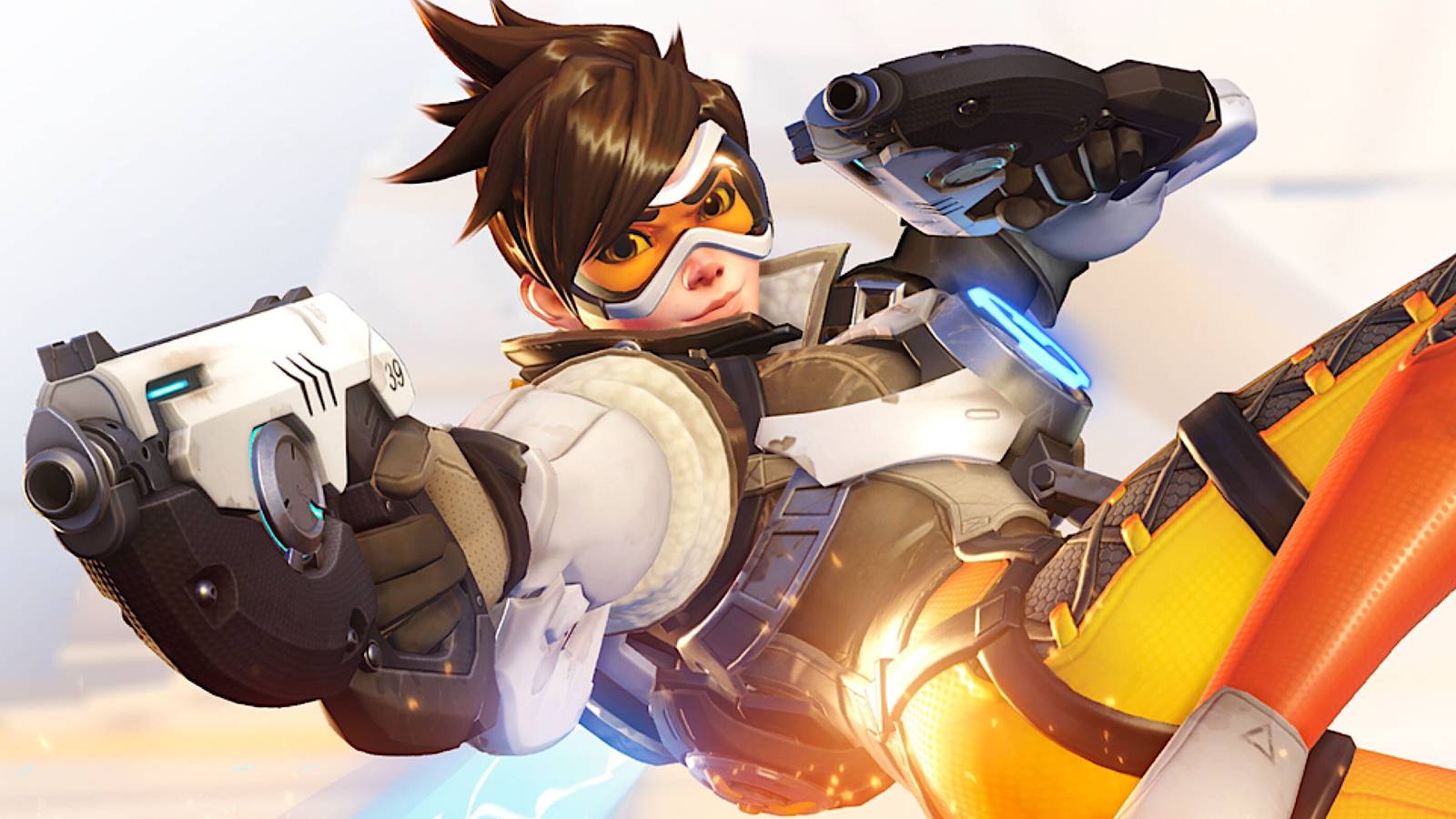
When Overwatch took home Game of the Year at The Game Awards in 2016, it was a phenomenon. Blizzard's hero shooter revitalized the genre and became a cultural touchstone. But in the years since, the game has changed dramatically—and not always for the better.
The original Overwatch we fell in love with is gone, replaced by a live-service model that has shifted the game's identity. The sequel, Overwatch 2, has divided the community, and the original's charm has faded. What was once a fresh, exciting experience now feels like a relic of a bygone era in gaming.
Other Notable Mentions
These aren't the only winners that have aged poorly. Games like Spore (2008) and Dragon Age: Inquisition (2014) have also faced criticism for not living up to their initial hype. But the ones above are particularly striking because they were so celebrated at the time.
For more on games that have stood the test of time, check out our list of flawless adventure games or our ranking of the greatest horror games. And if you're a fan of underappreciated gems, don't miss our picks for underrated video games.
Game of the Year awards are meant to honor excellence, but they're also a snapshot of a moment in time. As gaming evolves, so do our standards, and some winners just don't hold up. It's a reminder that even the most celebrated games can be products of their era.