In the world of pop music, landing a number-one hit is the ultimate dream. But what happens when that chart-topping triumph sparks a debate so fierce that critics can't decide if it's a work of genius or an artistic failure? The history of the Billboard charts is dotted with songs that achieved massive commercial success while simultaneously earning wildly contradictory reviews. Today, we're diving into three such polarizing anthems from Taylor Swift, Ed Sheeran, and Robin Thicke—tracks celebrated by millions yet scrutinized for everything from their lyrics to their sonic shifts.
Ed Sheeran's "Shape of You": Catchy Hit or Overplayed Departure?
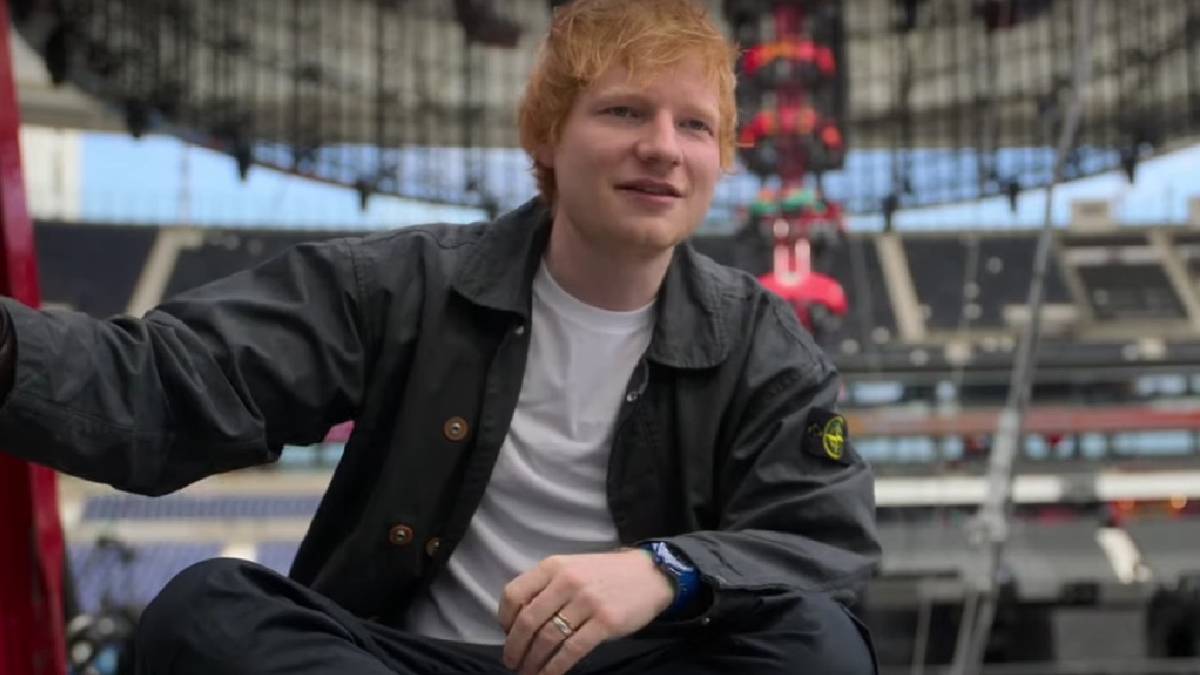
When Ed Sheeran released "Shape of You" in 2017, it felt like a sudden left turn. Known for heartfelt folk-pop ballads like "Thinking Out Loud," Sheeran swapped his acoustic guitar for dancehall rhythms and a pulsing tropical house beat. The song cleverly sampled TLC's iconic "No Scrubs," creating an undeniably infectious groove that dominated airwaves worldwide. It became a defining pop moment of the decade, proving Sheeran's versatility and knack for a global smash.
However, its very ubiquity became its curse. The track's repetitive structure and simplistic lyrics about a nightclub encounter led to accusations that it was a shallow, calculated pop product compared to his more narrative-driven work. For every fan dancing along, another lamented the departure of the soulful songwriter they loved. "Shape of You" stands as a perfect case study in how a song can be both a career-defining success and a point of contention for an artist's core audience.
Robin Thicke's "Blurred Lines": A Record-Breaking Controversy
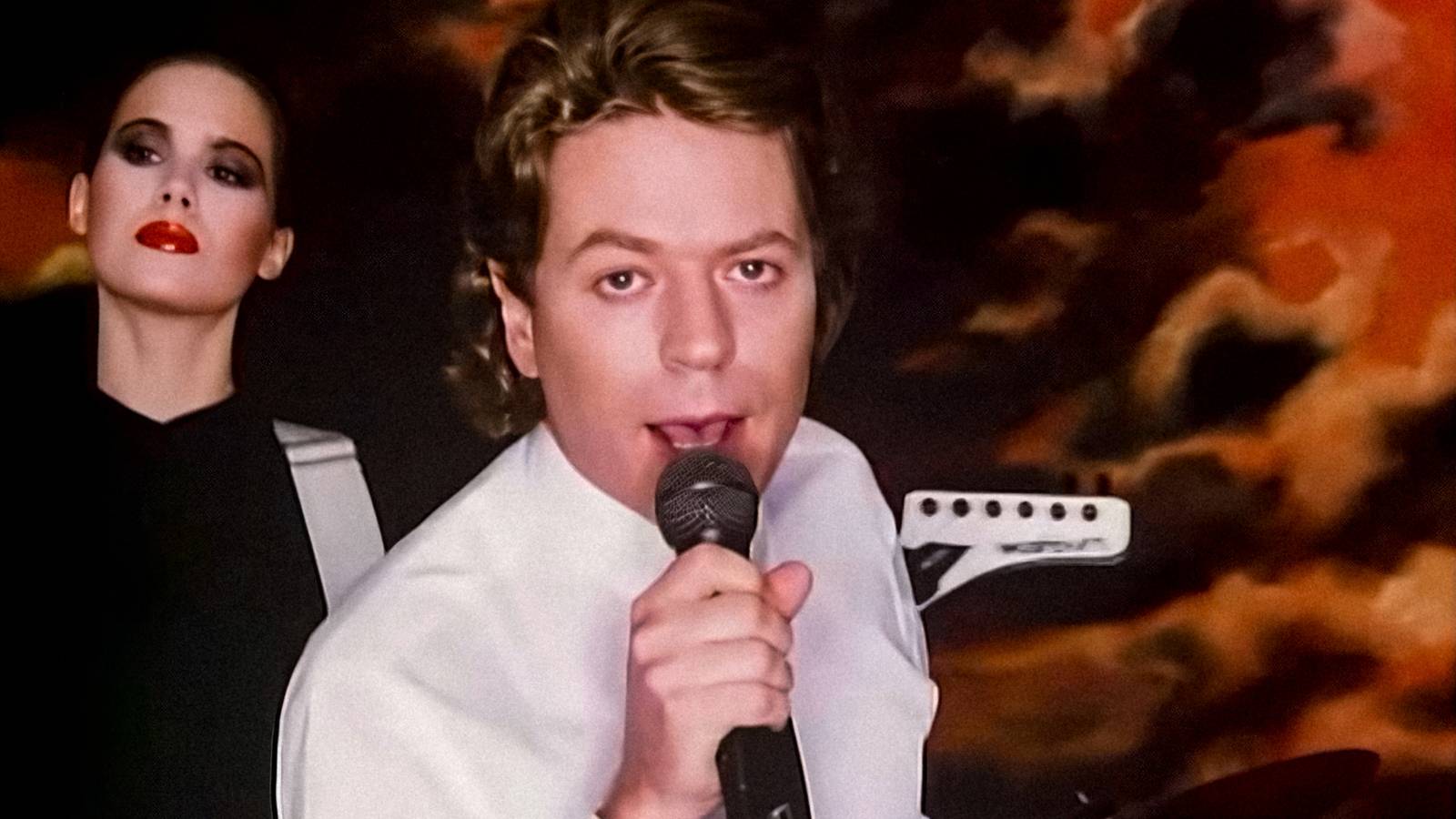
Few songs in recent memory have matched the simultaneous commercial peak and cultural firestorm of Robin Thicke's "Blurred Lines." With Pharrell Williams on production and a guest verse from T.I., the 2013 track was an unstoppable force, spending 12 weeks at number one and becoming the soundtrack of the summer. Its disco-funk vibe was immediately catchy, a throwback feel that initially charmed listeners.
Yet, the celebration was short-lived. The song's lyrics and accompanying music video were swiftly condemned as misogynistic, with many critics and listeners arguing they promoted a dangerous disregard for consent. The controversy overshadowed the music, sparking essential conversations but also derailing Thicke's career momentum. It remains a stark reminder that a catchy tune can't always overcome problematic messaging, making it one of the most debated chart-toppers of all time. It joins other works, like certain infamous film adaptations, in achieving notoriety for reasons beyond its artistic craft.
Taylor Swift's "Look What You Made Me Do": A Dark Reinvention
After a highly publicized hiatus, Taylor Swift returned in 2017 not with a sweet melody, but with the industrial snarl of "Look What You Made Me Do." The lead single for her Reputation era was a dramatic reinvention, trading country-pop for dark electropop as she directly addressed her public feuds and media narrative. The record-breaking track and its symbolic video were hailed by many as a powerful, controlled reclamation of her story.
But the reaction was deeply split. While some praised her bold new direction and thematic shift, others criticized the song's repetitive chorus and perceived lyrical pettiness. Detractors felt it was a clumsy attempt at edginess, a far cry from the nuanced songwriting of her past. Like a cult classic film waiting for reappraisal, "Look What You Made Me Do" has fostered a complex legacy, viewed as either a defiant comeback or a rare misstep in an otherwise flawless catalog.
The Verdict on Divisive Hits
What do these three songs teach us? They prove that in the streaming age, success and artistic merit are not always aligned. A track can top charts globally while still being labeled a critical failure. The polarization often stems from an artist daring to change their sound, as with Sheeran and Swift, or from cultural readings that evolve long after a song's release, as with Thicke.
Ultimately, these divisive hits become more than just songs; they become cultural flashpoints. They spark debates about artistry, authenticity, and social responsibility in pop music. Whether you love them or loathe them, their impact—and the conversations they start—is undeniable. In the end, their legacy is written not just by critics or chart positions, but by the ongoing dialogue they inspire among listeners everywhere.