The 1970s were a golden age for horror, producing films that tapped into deep societal anxieties—distrust of institutions, sexual panic, and the collapse of the nuclear family. These movies didn't just scare audiences; they unsettled them by reflecting real-world fears. But when Hollywood tries to remake these classics, they often miss the point entirely. Instead of capturing the raw, psychological dread, they give us polished surfaces, louder scares, and too much explanation. Here are the eight worst remakes of classic '70s horror movies, ranked.
8. Halloween (2007)
Rob Zombie's Halloween is a prime example of a remake that misunderstands its source material. John Carpenter's 1978 original worked because Michael Myers was an enigma—a silent, almost supernatural force of evil. Zombie's version tries to humanize him by delving into his traumatic childhood, but this backstory only dilutes the fear. The film replaces suspense with brutality and grimy realism, making it more aggressive than terrifying. Carpenter's film was scary because of what it held back; Zombie's shows too much and trusts the audience too little.
7. When a Stranger Calls (2006)
The original When a Stranger Calls is remembered for its iconic opening: a babysitter, a phone, a house at night. The terror came from intimacy and solitude. The 2006 remake, however, trades that claustrophobic tension for a glossy, overdesigned mansion. Jill Johnson (Camilla Belle) reacts to a threat that never escalates beyond 'what if the calls keep coming?' The film mistakes mood for writing, and the result is a thriller that feels decorative rather than chilling. A call-from-inside-the-house story should make your skin crawl; this one just makes you admire the furniture.
6. Carrie (2013)
Brian De Palma's Carrie (1976) is a masterpiece of emotional horror, exploring puberty, religious abuse, and social cruelty. The 2013 remake has capable actors—Chloë Grace Moretz and Julianne Moore—but the script can't decide if it's a tragedy, a bullying drama, or a revenge spectacle. The humiliation feels less deep because it's externalized through modern harassment, losing the inward poison that made the original so devastating. The prom destruction becomes a predictable effects sequence rather than a sorrowful burst of repressed rage. For a deeper dive into psychological thrillers, check out The Ultimate Gillian Flynn Psychological Thriller Book List: Ranked.
5. The Amityville Horror (2005)
The power of a haunted-house story isn't just about ghosts in the walls; it's about how a house infects its inhabitants. The 2005 remake of The Amityville Horror focuses on jump scares and CGI effects, missing the slow-burn dread of the 1979 original. The Lutz family's descent into madness feels rushed, and the film relies on cheap shocks instead of building genuine unease. It's a reminder that true horror comes from atmosphere, not spectacle.
4. The Omen (2006)
The 1976 The Omen worked because it played on spiritual dread and the fear of the unknown. The 2006 remake, starring Liev Schreiber and Julia Stiles, is a scene-for-scene retread that adds nothing new. It's competently made but utterly unnecessary, lacking the original's ominous tone and sense of inevitability. The devil child, Damien, feels less menacing because the film explains too much, leaving no room for ambiguity.
3. The Wicker Man (2006)
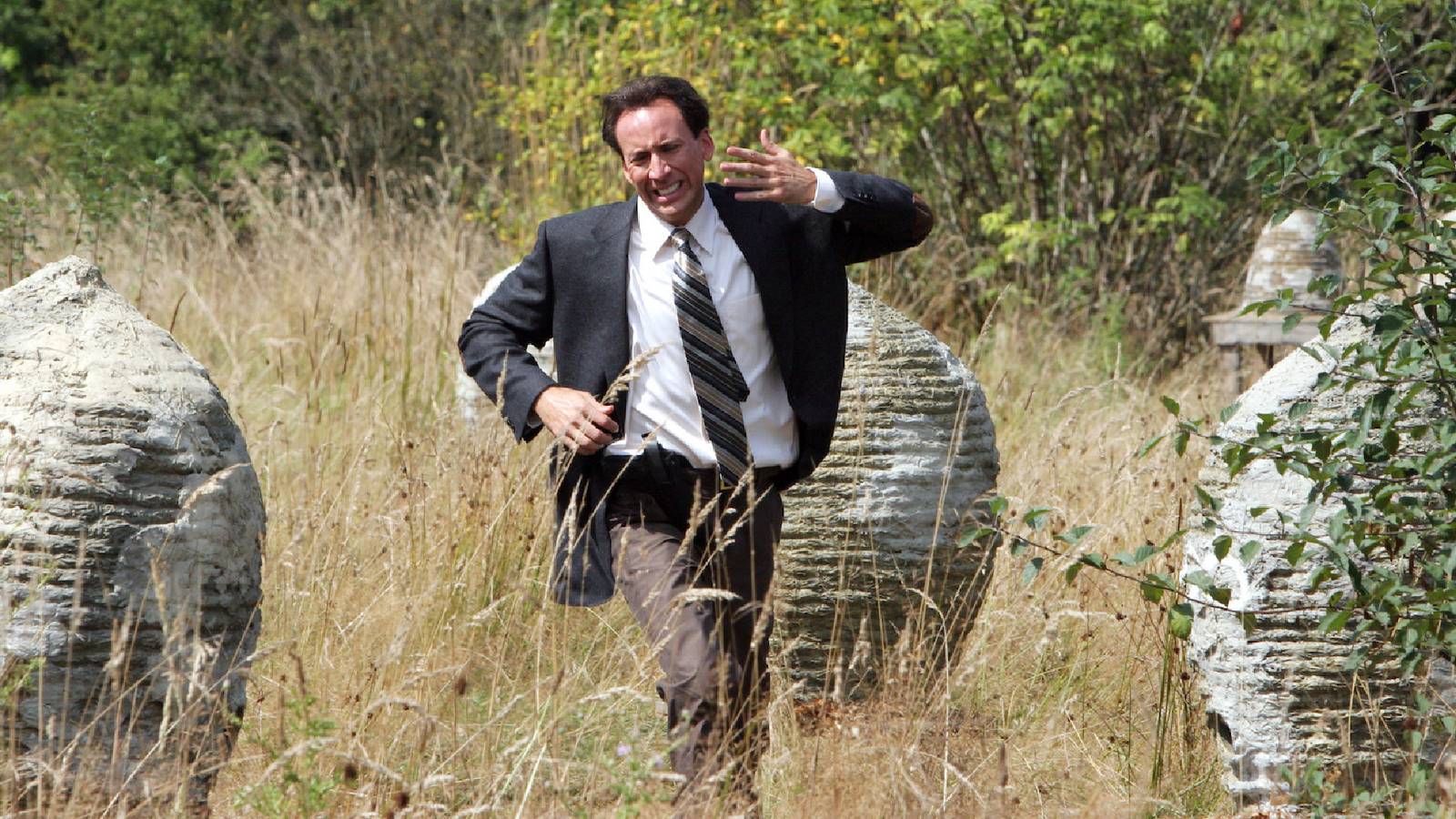
Nicolas Cage's The Wicker Man is infamous for its over-the-top performance, but the real problem is that it completely misses the point of the 1973 original. That film was a slow-burn folk horror about paganism and faith, building to a chilling climax. The remake turns it into a campy thriller, stripping away the eerie atmosphere and replacing it with absurdity. It's a cautionary tale about how not to remake a classic.
2. The Stepford Wives (2004)
The 1975 The Stepford Wives was a sharp satire of suburban conformity and gender roles. The 2004 remake, starring Nicole Kidman, tries to update the story for a modern audience but loses its bite. It becomes a glossy comedy-thriller that feels more like a parody than a critique. The original's unsettling tension is replaced with predictable jokes, making it a hollow imitation. For more on thrilling shows, see The 10 Most Perfect Thriller Shows of the Last 20 Years, Ranked.
1. Bad News Bears (2005)
Okay, Bad News Bears isn't horror, but it's included here as the odd one out. The 1976 original was a gritty, foul-mouthed comedy about a misfit Little League team. The 2005 remake, starring Billy Bob Thornton, tries to recapture that magic but feels sanitized and unnecessary. It lacks the original's raw energy and charm, proving that some classics are best left untouched. For a look at other remakes that worked, check out 'Evil Dead Burn' Review: A Bloody, Hilarious Triumph for Horror's Best Franchise.
These remakes remind us that the best horror comes from understanding what made the originals tick—not just copying their surface elements. The '70s classics were about societal rot, personal trauma, and the fear that normal life has already gone wrong. Without that deeper pulse, a remake is just a hollow echo.