When Franklin first appeared in Peanuts in 1968, he didn't arrive with fanfare or a grand statement. He simply walked up to Charlie Brown on a beach, and the two built a sandcastle together. That ordinary moment was anything but ordinary—it marked the first time a Black character appeared in one of America's most beloved comic strips, at a time when the nation was grappling with civil rights and the recent assassination of Martin Luther King Jr.
Franklin's creation wasn't originally Charles Schulz's idea. It came from a Los Angeles schoolteacher named Harriet Glickman, who wrote to Schulz just 11 days after King's death. She suggested that introducing a Black child into the Peanuts gang could help normalize racial integration for young readers. Schulz was initially hesitant, fearing he might create a stereotype, but after further correspondence with Glickman, he committed to the idea. On July 31, 1968, Franklin made his debut.

From the start, Franklin was designed to be just another kid—thoughtful, sociable, and academically inclined, but not defined by his race. He attended school with Patty and Marcie, swapped stories with Charlie Brown, and often found Charlie's antics as puzzling as anyone else. The strip also grounded Franklin in the real world by revealing that his father was serving in the Vietnam War, a detail that connected him to the era's anxieties.
Franklin's presence wasn't universally welcomed. Some newspaper editors objected to him sitting in a classroom with white children, and one Southern editor even asked Schulz to keep Black and white kids apart at school. Schulz refused, and when the syndicate president pushed him to alter the strip, Schulz threatened to quit. Franklin stayed, and his place in the Peanuts universe was secured.
Franklin's legacy extends beyond the comic strip. He became a symbol of inclusion, showing that a popular children's entertainment could make diversity feel natural. For Robb Armstrong, a Black cartoonist who later became friends with Schulz, seeing Franklin as a child inspired him to pursue his own career in comics. Armstrong would eventually help expand Franklin's story, even lending his surname to the character in later adaptations.
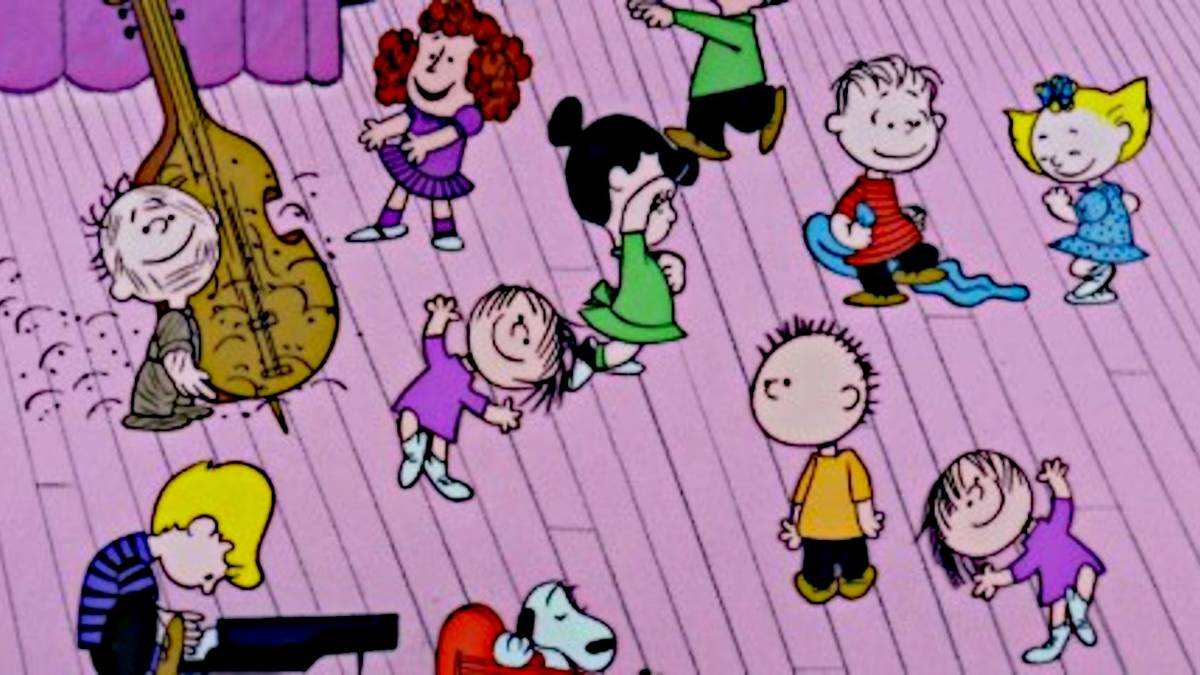
But Peanuts wasn't always perfect in its handling of Franklin. The infamous scene in A Charlie Brown Thanksgiving, where Franklin sits alone at one end of the table, has been criticized for decades. Yet the 2024 special Snoopy Presents: Welcome Home, Franklin addressed that image head-on, revisiting Franklin's introduction and giving him a moment where Linus assures him that the group has saved him a seat with everyone else.
Nearly 60 years after his first appearance, Franklin remains one of Peanuts' most significant characters. His importance isn't about being extraordinary—it's about being allowed to be ordinary. In a world that has changed dramatically since 1968, the need to see yourself reflected in the stories everyone else is reading hasn't. Franklin's quiet revolution continues to resonate, reminding us that inclusion can start with something as simple as a shared sandcastle.
For more on how beloved characters shape our culture, check out our piece on Samwise's iconic speech or the best anime ensembles. And if you're curious about other groundbreaking moments in entertainment, our look at female superhero representation offers a modern parallel.